Repairing your home’s exterior is an investment. When you notice a crack in your vinyl or rot in your cedar planks, the immediate reaction is often to fix it quickly. But a question lingers for many homeowners in the Sacramento and Bay Area: once it’s fixed, will it last?
Not all siding materials behave the same way after they have been patched or partially replaced. Some materials blend seamlessly and restore full structural integrity, while others might always have a “weak spot” where the new meets the old. Understanding which materials offer the best longevity post-repair can save you thousands of dollars in future renovations and ongoing maintenance.
In this comprehensive guide, we will dive deep into the durability of common siding materials after they undergo repairs. We will explore why fiber cement is often hailed as the king of durability, the pros and cons of patching vinyl, and the unique challenges of maintaining wood siding in Northern California’s climate.
The Reality of Siding Repair: Durability vs. Aesthetics
Before we rank the materials, it is crucial to understand what “durability after repair” actually means. It is not just about whether the patch stays on. It involves three key factors:
- Structural Integrity: Does the repaired section protect the home from moisture and pests as well as the original installation?
- Visual Continuity: Does the repair fade or weather differently than the surrounding area, making it obvious over time?
- Bond Strength: How well does the new material adhere to or interlock with the existing structure?
In the Sacramento Valley, where we face blistering summer heat and wet winters, these factors are tested annually. A repair that looks good in June might fail by January if the material doesn’t expand and contract uniformly.
Top Contender: Fiber Cement Siding (James Hardie)
When it comes to longevity after a repair, fiber cement stands in a league of its own. Composed of cement, sand, and cellulose fibers, this material is engineered to resist the very things that destroy other siding types: fire, rot, insects, and extreme weather.
Why Fiber Cement Repairs Last Longest
Fiber cement is a rigid, stable material. When a section is damaged—perhaps by a heavy impact or improper installation—replacing a board is a straightforward process that restores near-original strength.
Unlike wood, which changes shape significantly with humidity, fiber cement remains dimensionally stable. This means that if you replace a single plank, the new plank won’t shrink away from the caulk lines or warp outward, breaking the seal.
Furthermore, products like James Hardie siding are specifically cured to withstand local climates. When you perform asiding repair in Sacramento, using a material that is resistant to our specific UV levels and moisture patterns ensures that the “patch” doesn’t degrade faster than the rest of the wall.
The Maintenance Factor
After a fiber cement repair, the maintenance is minimal. The material holds paint exceptionally well. If you have to replace a section, painting it to match the existing wall usually results in a seamless look that lasts for 10-15 years without peeling. This longevity is why many homeowners eventually switch entirely to fiber cement during their residential siding projects.
Durability Score: 9.5/10
- Pros: Highly stable, fire-resistant, rot-resistant, holds paint well.
- Cons: Heavy material requires expert installation; improper nailing can lead to future cracks.
The Runner Up: High-Quality Vinyl Siding
Vinyl siding is incredibly popular due to its cost-effectiveness and low maintenance. However, its performance after a repair is a mixed bag, largely depending on the quality of the vinyl and the age of the existing siding.
The Challenge of UV Fading
Vinyl’s biggest enemy in California is the sun. Over time, UV rays oxidize the surface, causing the color to fade. If you damage a section of vinyl siding five years after installation and replace it with a new piece from the factory, the color difference will be stark.
While the new piece is structurally sound, the aesthetic durability is compromised. The “repair” is visible, which can affect curb appeal. However, structurally, vinyl repairs are generally durable. The interlocking mechanism of vinyl panels means that a replaced panel is physically locked into its neighbors. It is not relying on glues or caulks that can fail; it relies on a mechanical connection.
Brittleness and Temperature
One risk with vinyl repairs involves the material’s reaction to temperature. Vinyl expands and contracts significantly. If a repair is done in the dead of winter, and the new panel is nailed too tightly, it will buckle and warp when the Sacramento summer hits triple digits. Conversely, older vinyl becomes brittle. Unlocking existing panels to swap out a damaged one can sometimes cause the surrounding panels to crack, turning a small repair into a larger headache.
Durability Score: 7/10
- Pros: Mechanical interlocking ensures a strong hold; immune to rot and insects.
- Cons: Significant color matching issues due to fading; older vinyl becomes brittle and prone to cracking during repairs.
The Traditional Choice: Wood Siding (Cedar and Redwood)
There is no denying the beauty of natural wood. In the Bay Area and older Sacramento neighborhoods, cedar and redwood are staples of architectural charm. But when it comes to durability after repair, wood requires the most attention.
The Moisture Battle
Wood is organic. It absorbs and releases moisture, constantly breathing. When you repair a section of wood siding—perhaps cutting out a rotted area and splicing in a new piece—you are introducing “green” or new wood to “seasoned” old wood.
The new piece of wood will have a different moisture content than the surrounding boards. As it acclimates, it may shrink or twist differently than the older wood. This movement can break the paint seal or caulk joints, opening the door for moisture intrusion all over again.
Repair Longevity Tips for Wood
To make a wood siding repair last, you must prime and seal all six sides of the new board—including the cut ends—before installation. If you skip this step, the repair will likely fail within 3 to 5 years. However, if maintained correctly with regular painting and caulking, a wood repair can last as long as the house itself. It simply demands a proactive homeowner.
Durability Score: 6/10 (High Maintenance)
- Pros: Unmatched aesthetic appeal; easy to cut and shape for custom repairs.
- Cons: Susceptible to rot, termites, and woodpeckers; new wood moves differently than old wood, threatening seal integrity.
Engineered Wood (LP SmartSide)
Engineered wood offers a middle ground between fiber cement and natural wood. It consists of wood strands coated with wax and resin binders, making it stronger and more resistant to moisture than traditional wood.
Post-Repair Performance
Engineered wood is lighter than fiber cement and easier to cut, which makes the repair process smoother and less prone to installation errors. It comes treated with zinc borate to resist termites and fungal decay.
When you replace a board of engineered wood, it generally integrates well. It is more dimensionally stable than natural cedar, so you don’t get as much shrinkage at the joints. However, like natural wood, any cut edges must be meticulously sealed. If a contractor cuts a board to fit a repair spot and fails to prime the cut edge, that edge will absorb water like a sponge, swelling and failing within a few seasons.
Durability Score: 8/10
- Pros: Impact resistant (good for hail or baseballs); easier to install than fiber cement; treats rot and insects.
- Cons: Cut edges are a major vulnerability point; requires strict adherence to installation guidelines to maintain warranty.
Metal Siding (Aluminum and Steel)
Metal siding was the standard decades ago and is seeing a resurgence in modern, industrial-style homes.
The Dent Factor
Metal is incredibly durable against rot, fire, and insects. A repair to metal siding usually involves replacing a panel that has been dented. Once replaced, the new panel is just as impervious to the elements as the rest.
However, like vinyl, coating and color matching are difficult. Metals are often factory-coated with specific finishes (like Kynar). Matching a weathered steel panel is nearly impossible without painting the entire wall. Furthermore, if the repair involves patching a small hole rather than replacing a panel, the patch is rarely invisible and can be a weak point for rust if not sealed correctly.
Durability Score: 8.5/10
- Pros: Fireproof; rot-proof; insect-proof.
- Cons: Difficult to match finishes; repairs are often aesthetic (dents) rather than structural; difficult to replace single panels without disassembling large sections.
Why Professional Installation Matters for Repair Longevity
Regardless of the material, the longevity of a repair is 20% material quality and 80% installation expertise. You can buy the most expensive fiber cement board, but if it is installed without proper flashing or with the wrong fasteners, it will fail.
The “Band-Aid” Mistake
Many DIY repairs or quick fixes by inexperienced handymen act as “Band-Aids.” They cover the damage but don’t address the underlying cause, such as a lack of flashing above a window or a leaking gutter. A professional siding repair in Sacramento involves diagnosing why the siding failed in the first place.
Is there water getting behind the vapor barrier? Is the sheathing rotted? A true repair involves fixing the substrate, ensuring the water management system is intact, and then installing the new siding material. This holistic approach is the only way to ensure the repair lasts.
Extending the Life of Your Siding Post-Repair
Once your siding has been repaired, a few maintenance steps can ensure the new materials blend in and hold up for the long haul.
1. Annual Inspections
Walk around your home twice a year. Look specifically at the areas that were repaired. Is the caulk cracking? Is the paint peeling? Catching these small issues early prevents the need for a second major repair.
2. Keep it Clean
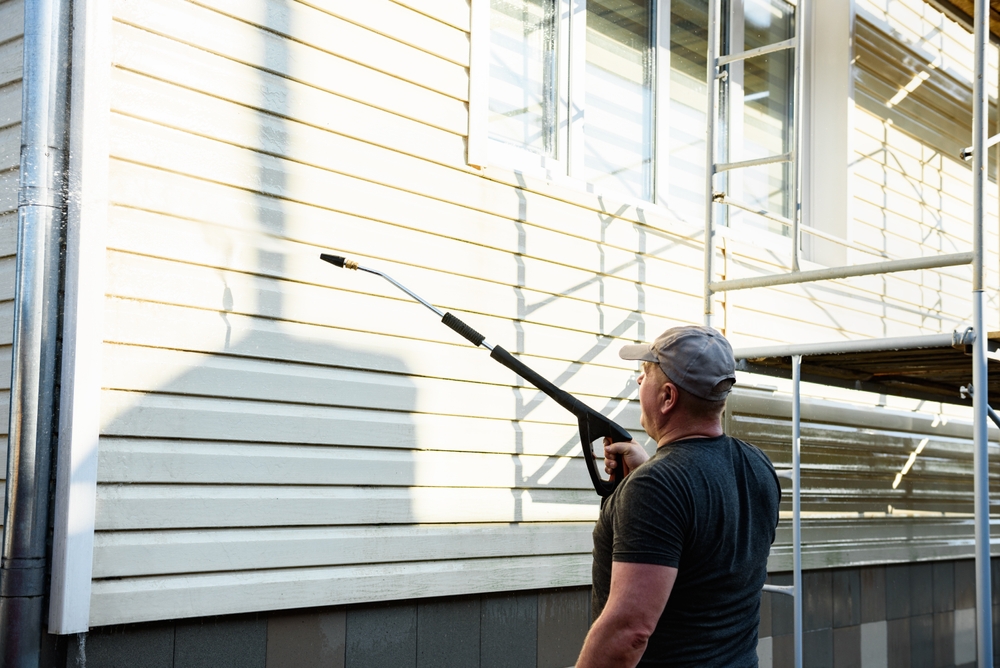
Dirt and mildew hold moisture against the siding. Whether you have vinyl, wood, or fiber cement, washing your siding annually with a garden hose and a soft brush helps extend its life. Avoid high-pressure power washing, which can drive water behind the siding and damage the repairs you just made.
3. Maintain Caulking
Caulk is the glue that seals your home’s envelope. UV rays degrade caulk faster than the siding material itself. Re-caulking around windows, doors, and trim—especially near repair zones—is essential for keeping water out.
4. Manage Landscaping
Keep bushes and trees trimmed back at least 12 inches from your siding. Branches rubbing against a repaired section can scratch the finish, and foliage blocks airflow, preventing the siding from drying out after rain.
When to Repair vs. When to Replace
Sometimes, the most durable option is not a repair at all, but a replacement. If you find yourself repairing the same wall every year, or if more than 30% of your siding is damaged, it is often more cost-effective to invest in a full replacement.
New residential siding provides a fresh warranty, improved energy efficiency, and a unified look that boosts your home’s value significantly. Materials like modern insulated vinyl or fiber cement can completely transform a home that is struggling with old, rotting wood or brittle aluminum.
Conclusion: The Verdict on Durability
If you are looking for the absolute best durability after a repair, fiber cement is the clear winner. Its resistance to the elements, dimensional stability, and ability to hold paint make it the smart choice for Sacramento homeowners who want a “fix it and forget it” solution.
Engineered wood is a strong second choice for those who prefer the look of wood but want better performance. Vinyl remains a budget-friendly option, provided you can accept potential color mismatches. Traditional wood offers timeless beauty but demands a strict maintenance schedule to ensure repairs don’t fail prematurely.
Your home’s exterior is its first line of defense. Choose materials that are built to last, and trust professionals who understand the science behind the siding.
Frequently Asked Questions About Siding Repair
How do I know if my siding is beyond repair?
If the damage is widespread, affecting more than one side of the house, or if there is significant rot in the underlying structure (sheathing and studs), replacement is usually the safer and more economical choice.
Can I paint vinyl siding after a repair to match the color?
Yes, you can paint vinyl siding, but you must use paint specifically formulated for vinyl. Using standard exterior latex can cause the siding to warp because it may absorb too much heat. Always choose a color lighter than the original siding to prevent heat buildup.
How long does a typical siding repair take?
Most minor repairs can be completed in a single day. However, if there is hidden water damage or rot behind the siding, the project can take longer as the substrate needs to be fixed first.
Is fiber cement expensive to repair?
The material cost for fiber cement is higher than vinyl, but the labor is similar to wood repair. Because the repair lasts so much longer, the lifetime cost is often lower than cheaper materials that require frequent fixes.
Will a repair void my existing siding warranty?
It depends on the warranty terms. Some warranties are voided if unauthorized repairs are made or if non-matching materials are used. It is best to consult with a certified contractor who can navigate warranty requirements.
This guide is intended for informational purposes. For specific assessments of your home’s exterior, always consult with a licensed professional.