Your home’s siding acts like a protective shell, shielding the structure from rain, snow, wind, and sun. Most homeowners assume that as long as the siding looks good on the outside, everything underneath is safe. Unfortunately, this isn’t always the case. Water is a persistent force, and it often finds ways to sneak past your home’s defenses.
When moisture gets trapped behind siding, it doesn’t just evaporate. It lingers, slowly eating away at the materials meant to hold your house together. This silent intruder can cause thousands of dollars in damage before you even spot a single warning sign.
In this guide, we will explore how water infiltrates your siding, the destructive consequences of trapped moisture, and the critical steps you need to take to protect your investment.
How Does Water Get Behind Siding?
It might seem counterintuitive—isn’t siding designed specifically to repel water? While siding materials like vinyl, fiber cement, and wood are water-resistant, the installation system isn’t always watertight.
Poor Installation Practices
The most common culprit is improper installation. If siding is nailed too tightly, it can crack or warp, creating gaps. If flashing (the thin metal strips used to direct water away from seams) is missing around windows, doors, or rooflines, water has a direct path behind the cladding.
Lack of a Moisture Barrier
Modern building codes require a house wrap or moisture barrier between the sheathing and the siding. In older homes, or cases where contractors cut corners, this barrier might be missing or damaged. Without it, any water that slips past the siding hits the wood sheathing directly.
Cracked or Damaged Caulk
Caulking seals the joints where siding meets other materials, like window frames. Over time, caulk dries out, shrinks, and cracks. These small fissures are open doors for wind-driven rain.
The Warning Signs: How to Spot Trouble
Because the damage happens out of sight, homeowners often miss the problem until it becomes severe. However, your house will usually give you subtle hints if you know where to look.
- Peeling paint or wallpaper inside: If moisture saturates the wall cavity, it eventually reaches the interior drywall. This often manifests as bubbling paint or peeling wallpaper on the inside of exterior walls.
- Warped or buckling siding: When the wood sheathing behind vinyl siding swells from water absorption, it can push against the siding, causing it to appear uneven or wavy.
- Green or black stains: Algae or mold growing on the exterior of your siding can indicate consistent dampness, suggesting that the wall isn’t drying out properly.
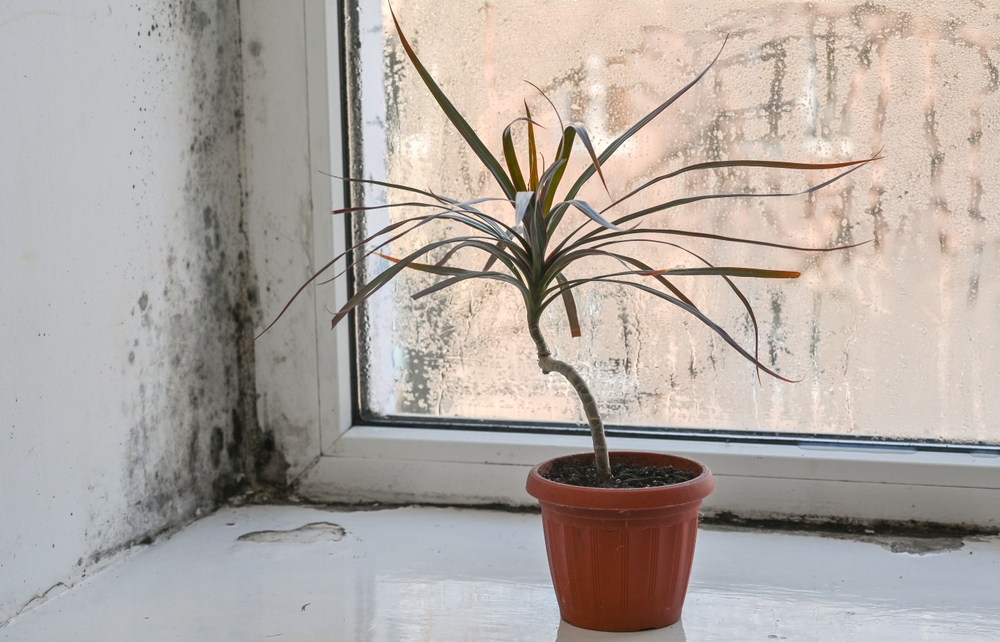
- Musty smells: A persistent damp, earthy odor inside your home—especially near exterior walls—is a strong indicator of hidden mold growth.
The Consequences of Trapped Moisture
Ignoring moisture intrusion is dangerous. The effects compound over time, escalating from minor repairs to major structural overhauls.
1. Wood Rot and Sheathing Damage
The layer directly behind your siding is usually plywood or OSB (Oriented Strand Board) sheathing. When this wood gets wet and stays wet, rot sets in. Soft, rotting sheathing loses its structural integrity, meaning it can no longer effectively support the siding or the frame of the house. In severe cases, the wall studs themselves begin to rot, compromising the stability of your home.
2. Mold and Mildew Growth
Dark, damp spaces are breeding grounds for mold. Once moisture gets behind your siding, mold can colonize the sheathing and insulation within 24 to 48 hours. This isn’t just a structural issue; it’s a health hazard. Mold spores can travel through wall cavities and into your HVAC system, affecting the indoor air quality and potentially triggering allergies or respiratory issues for your family. (See Warning Signs: How to Spot Trouble and How to Prevent Moisture Damage for details on detection and prevention.)
3. Compromised Insulation
Fiberglass insulation works by trapping pockets of air. When it gets wet, it clumps together and loses its R-value (its ability to resist heat flow). Wet insulation is essentially useless, leading to higher energy bills as your heating and cooling systems work overtime to compensate for the thermal breach. Furthermore, wet insulation holds moisture against the wood framing, accelerating the rotting process.
4. Pest Infestations
Insects like termites, carpenter ants, and powderpost beetles love damp, soft wood. Moisture problems often act as a beacon for these pests. Once they find the compromised wood behind your siding, they can burrow deep into the structure, causing damage that is far more expensive to fix than the initial leak. For ways to address these risks, review the Warning Signs: How to Spot Trouble section for early detection, and read How to Prevent Moisture Damage for essential maintenance tips.
How to Prevent Moisture Damage
The best way to handle moisture damage is to stop it before it starts. Regular maintenance and vigilant inspections are your best defense.
Inspect Your Siding Annually
Take a walk around your home at least once a year. Look for loose panels, cracks, or gaps. Pay close attention to areas where the siding meets the roof, foundation, or windows. If you see damage, repair it immediately.
Maintain Your Caulk
Check the caulking around your windows, doors, and trim. If it looks cracked, brittle, or is missing pieces, scrape it out and replace it with high-quality exterior caulk. This small maintenance task can save you thousands in repairs.
Keep Gutters Clean
Clogged gutters cause water to overflow. Instead of being directed away from the house, that water cascades down the side of your home, putting immense pressure on your siding’s waterproofing abilities. Ensure your downspouts extend at least several feet away from the foundation.
Trim Back Vegetation
Bushes and trees that touch your siding can trap moisture against the surface and prevent air circulation. Keep shrubbery trimmed back at least a foot from your exterior walls to allow the siding to dry out after it rains.
Conclusion
Water is a relentless enemy of your home’s structure. When moisture gets behind your siding, it starts a silent chain reaction of rot, mold, and decay that can compromise your home’s safety and value. By understanding the causes and recognizing the early warning signs, you can catch these issues before they become disasters.
Don’t wait for a leak to appear on your living room ceiling. Be proactive with your exterior maintenance. If you suspect you have moisture trapped behind your siding, contact a professional siding contractor immediately for an inspection. Your home is likely your biggest investment—protect it by keeping it dry.