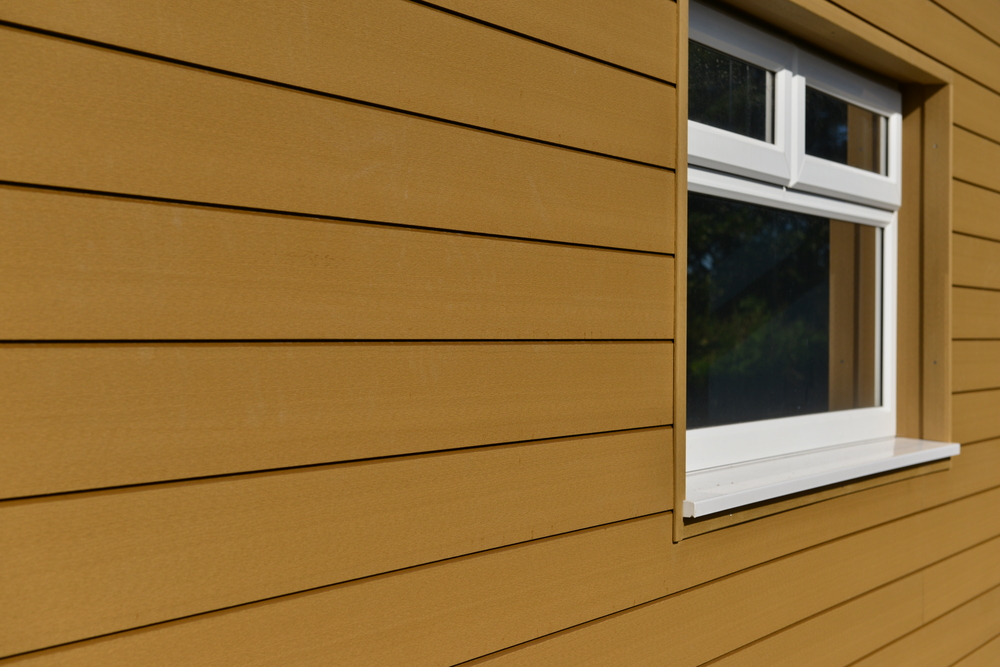
Wood siding is a homeowner’s dream for curb appeal. It offers a warmth, texture, and natural elegance that synthetic materials struggle to replicate. However, maintaining that dream requires work. Wood is an organic material, susceptible to rot, warping, insect damage, and the harsh realities of weather. When damage inevitably appears—whether it’s a loose board, a patch of dry rot, or peeling paint—homeowners face a critical decision: should you tackle the repair yourself or hire a professional?
The allure of the DIY route is strong. It promises cost savings and the satisfaction of working with your hands. But siding repair is deceptive. What looks like a simple patch job on the surface often hides complex structural issues underneath. Incorrect repairs can trap moisture, accelerate decay, and lead to problems far more expensive than the original fix.
In this comprehensive guide, we will explore the top benefits of professional wood siding repair vs. DIY fixes. We’ll break down the hidden complexities of wood siding, the risks associated with amateur repairs, and why investing in expert siding services is often the smartest financial decision for the long-term health of your home.
The Reality of Wood Siding Damage: It’s Rarely Surface Deep
Before comparing who should do the work, it’s vital to understand the nature of the work itself. Wood siding is part of a complex building envelope system designed to shed water and allow the house to breathe. When this system fails, the damage is rarely isolated to the visible plank.
The Hidden Threat of Water Infiltration
A cracked board might seem like a cosmetic issue, but it’s often a gateway. Water that enters through a crack can travel several feet before it manifests as a damp spot on your interior drywall. By the time you see the rot on the surface, the sheathing and framing studs underneath might already be compromised.
DIY Siding Repair Risks often stem from treating the symptom (the cracked board) rather than the disease (water infiltration). A homeowner might patch the crack with caulk, trapping the moisture inside and creating a greenhouse effect for mold and rot. A professional, however, knows how to trace the water path, assess the moisture content of the substructure, and ensure the repair resolves the root cause.
The Complexity of Matching Old Wood
Wood changes over time. Exposure to UV rays, rain, and temperature fluctuations alters its color, texture, and dimension. If you replace a single board on a 20-year-old house with a fresh piece of cedar from the lumber yard, it will stick out like a sore thumb.
Professionals have access to a wider range of materials and the expertise to source wood that matches the grain and species of your existing siding. Moreover, they understand the art of feathering in new materials, using specialized stains and weathering techniques to blend the repair seamlessly with the surrounding wall.
The True Cost of DIY Siding Repair
The primary motivation for DIY projects is almost always money. On paper, buying a few boards and a bucket of nails is cheaper than paying for labor. However, this calculation often leaves out critical variables that can turn a cheap fix into a money pit.
Tool Acquisition and Material Waste
Do you have a circular saw, a miter saw, a pry bar, specialized siding nails, moisture meters, and scaffolding? Siding repair requires more than a hammer. Renting or buying the necessary tools can quickly eat into your savings. Additionally, amateurs often miscalculate materials, leading to waste or multiple trips to the store. Professionals arrive with a fully equipped truck and the exact materials needed for the job.
The Cost of Mistakes
This is the hidden “tax” of DIY work. If you install flashing incorrectly, water will run behind your siding every time it rains. If you nail the siding too tightly, it will buckle when the wood expands in the summer heat. If you fail to prime the end cuts of the wood, they will soak up water like a sponge.
Repairing these mistakes usually involves ripping out the work you just did, plus replacing the additional damage caused by the failed repair. When you factor in the time spent and the potential for future damage, the “savings” of DIY often evaporate.
Personal Safety Risks
Siding repair often happens at heights. Working on a ladder with heavy power tools and awkward lumber is dangerous. Falls from ladders are a leading cause of home injury. Professionals are trained in safety protocols, use scaffolding or harness systems when necessary, and carry insurance that protects you from liability if an accident occurs on your property.
Top Benefits of Professional Wood Siding Repair
Hiring a contractor isn’t just about avoiding work; it’s about securing the asset value of your home. Here are the distinct advantages of choosing professional siding repair.
1. Diagnostic Expertise
A seasoned contractor sees things you miss. When you look at a wall, you see peeling paint. When a professional looks at a wall, they see a failed vapor barrier, inadequate flashing above the window, or gutters that are overflowing and splashing back onto the siding.
This diagnostic capability is the core of wood siding repair benefits. By identifying the underlying issues—whether it’s insect activity, structural settling, or poor ventilation—professionals ensure the repair is permanent. They don’t just patch; they cure.
2. Access to High-Quality Materials
Contractors have relationships with suppliers that homeowners don’t. They can source higher grades of lumber that are straighter, have fewer knots, and are better properly dried (kiln-dried) to prevent future warping. They also have access to professional-grade sealants, primers, and house wraps that offer superior protection compared to what is available at the local big-box store.
For example, when dealing with older homes in Sacramento, matching the specific profile of vintage siding can be impossible with off-the-shelf products. Professionals can often have custom profiles milled to match your home’s unique architecture exactly.
3. Structural Integrity Assurance
Siding isn’t just a skin; it protects the skeleton of your house. During a repair, professionals will inspect the sheathing and house wrap behind the siding. If they find rot in the structural members, they have the carpentry skills to reinforce or replace those studs safely. A DIYer might be tempted to cover up “a little bit of soft wood” to finish the job quickly, unknowingly compromising the home’s structural integrity.
4. Warranty and Peace of Mind
When you fix your siding yourself, the warranty is effective until you step off the ladder. If it leaks next week, that’s on you. Reputable siding companies offer warranties on both materials and workmanship. If a board warps or a caulk joint fails within the warranty period, they come back and fix it for free. This peace of mind is invaluable, especially during the rainy season.
5. Time Efficiency
What might take a homeowner three weekends of frustration to complete, a professional crew can often finish in a day or two. They work efficiently, clean up the job site daily, and minimize the disruption to your life. Your home remains exposed to the elements for a shorter period, reducing the risk of weather damage occurring during the repair process.
Deep Dive: Specific Repair Scenarios
To illustrate the difference between amateur and expert approaches, let’s look at common repair scenarios.
Scenario A: Dry Rot Patching
- The DIY Approach: Dig out the soft wood, fill the hole with wood putty, sand, and paint.
- The Professional Approach: A pro knows that rot is a fungus. Simply filling the hole leaves active spores in the wood. They will excise the wood well beyond the visible rot line to ensure all fungus is removed. They may apply a fungicide to the surrounding area. Then, instead of just using filler, they will often use a “Dutchman” repair—cutting in a new piece of solid wood that fits tightly into the void—or replace the entire board if the rot compromises structural strength.
Scenario B: Replacing Warped Clapboards
- The DIY Approach: Pry off the old board, nail in a new one.
- The Professional Approach: Professionals understand why the board warped. Was it nailed too tight? Is there moisture behind it? They will correct the underlying issue first. When installing the new board, they will prime all six sides (front, back, edges, and ends) before installation to seal it against moisture. They will use the correct nail spacing and type (stainless steel or hot-dipped galvanized) to prevent rust stains and allow for natural movement.
Scenario C: Insect Damage
- The DIY Approach: Spray some bug killer and caulk the holes.
- The Professional Approach: Expert siding services involve identifying the pest. Is it termites? Carpenter bees? Powder post beetles? Each requires a different treatment. Professionals will coordinate with pest control experts to ensure the infestation is eradicated before sealing the wall. They will also inspect for structural hollowing that might not be visible from the exterior.
The Value of Specialized Local Knowledge
Siding needs vary by climate. A repair technique that works in dry Arizona might fail miserably in the rainy Pacific Northwest. In the Sacramento region, we face a unique combination of intense summer sun and wet winters.
Local professionals understand these micro-climate challenges. They know which wood species hold up best against the Sacramento sun and which sealants won’t crack when the temperature swings. This local expertise is a key component of effective wood siding repair benefits. Knowing how to detail flashing and trim specifically for local weather patterns prevents premature failure of the repair.
For homeowners in our area, relying on a dedicated local service like siding repair in Sacramento ensures that the solutions applied are tailored to our specific environment, rather than generic advice found in an online tutorial.
When Is DIY Siding Repair Okay?
To be balanced, not every minor blemish requires a contractor. There are instances where a DIY fix is acceptable, provided you have a basic understanding of home maintenance.
Acceptable DIY Tasks:
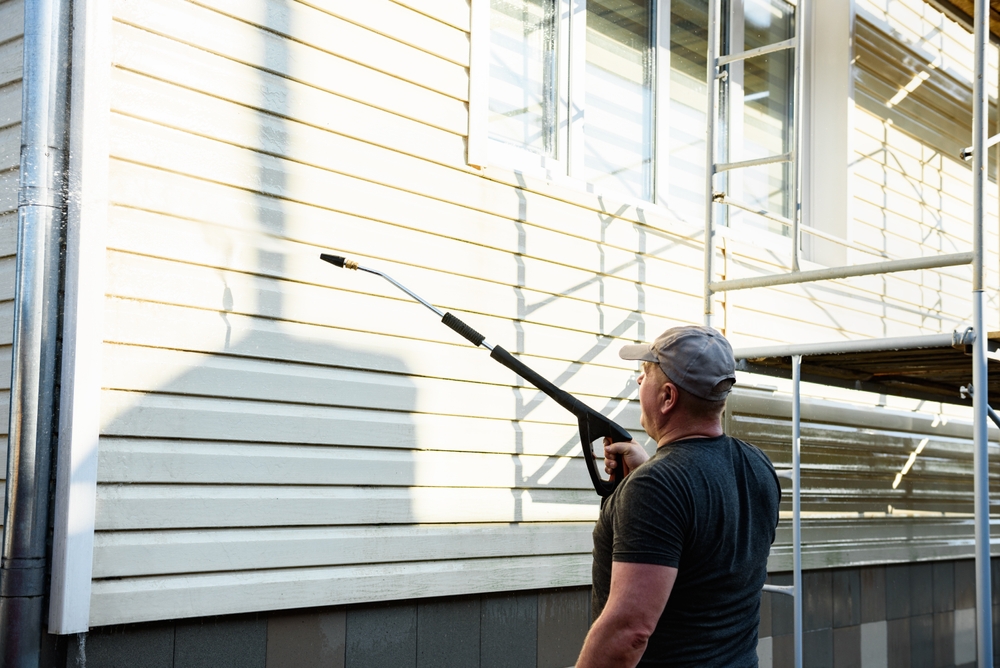
- Cleaning: Washing your siding annually with a garden hose and mild detergent is a great DIY task.
- Minor Painting/Staining: Touching up small areas of peeling paint or restaining a deck rail is within the grasp of most homeowners.
- Surface Caulking: Re-caulking around windows and door frames (where the old caulk has cracked) is a manageable maintenance task. However, ensure you use high-quality exterior grade caulk and remove the old caulk first.
- Tightening Loose Nails: If a board is slightly loose but otherwise sound, driving a ring-shank siding nail to secure it is a simple fix.
When to Draw the Line:
- Rot: If the wood is soft, crumbly, or spongy.
- Large Cracks: Splits that run the length of the board or go all the way through.
- Water Stains: Any sign of moisture on interior walls.
- Widespread Warping: If large sections of the wall are buckling.
- Height: Anything requiring extension ladders or scaffolding.
- Mold: Extensive mold growth indicates a moisture control problem that needs professional diagnosis.
The Resale Value Perspective
Your home is likely your largest investment. How you maintain it directly impacts its market value. When it comes time to sell, savvy buyers and home inspectors will spot amateur repairs instantly.
“Band-aid” fixes suggest a history of deferred maintenance. They raise red flags for inspectors, who will then look closer for other cut corners. Conversely, a documented history of professional siding repair signals to buyers that the home has been cared for responsibly. It assures them that the exterior envelope is secure, potentially increasing the final sale price and smoothing the inspection process.
Choosing the Right Professional
Once you decide to hire a professional, the next step is finding the right one. Not all contractors have expertise in wood siding. Many general handymen may lack the specific knowledge required for proper water management details.
What to Look For:
- Specialization: Look for companies that specifically list siding repair as a core service, not just an add-on.
- Local Experience: Choose a company with a track record in your specific city or region.
- Portfolios: Ask to see before-and-after photos of similar repairs.
- Licensing and Insurance: Never hire an uninsured contractor to work on your home’s exterior.
- Detailed Estimates: A professional quote should break down labor, materials, and the scope of work, so you know exactly what is being done.
Conclusion: Investing in Expertise
The debate between DIY and professional repair ultimately comes down to risk management. Can you repair your siding yourself? possibly. Should you? In most cases involving wood siding, the answer is no.
The DIY siding repair risks—from hidden structural rot to personal injury—are simply too high. Wood siding is a premium material that deserves premium care. By choosing expert siding services, you are buying more than just a repair; you are buying the assurance that your home is watertight, structurally sound, and aesthetically cohesive.
While the upfront cost of a professional might be higher than a trip to the hardware store, the long-term value is undeniable. You avoid the cost of re-doing failed repairs, you extend the lifespan of your entire siding system, and you protect the structural integrity of your home.
If you are noticing signs of wear on your wood siding—whether it’s fading, cracking, or suspected rot—don’t gamble with your home’s future. Reach out to the experts. For residents in our area, Hexteriors offers specialized siding repair in Sacramento designed to restore your home’s beauty and resilience. Let the professionals handle the heights and the hazards, so you can enjoy the comfort of a home that is truly secure.
Frequently Asked Questions About Professional vs. DIY Siding Repair
Q: Is it ever cheaper to replace all the siding rather than repair it?
A: Yes. If the damage is widespread (generally affecting more than 30-40% of the elevation), or if the siding is nearing the end of its lifespan, full replacement might be more cost-effective than continuous, expensive patch jobs. A professional can provide a cost-benefit analysis.
Q: Can a handyman fix my wood siding?
A: Some handymen are skilled carpenters, but many lack specific knowledge of building envelopes and flashing details. For wood siding, which is sensitive to moisture, hiring a specialist is usually safer to ensure water-tightness.
Q: How do professionals match the color of faded wood siding?
A: Professionals often take a sample of the existing siding to a paint specialist for custom color matching. They may also use techniques like “fanning” or “feathering” the new paint into the old to create a gradual transition that tricks the eye.
Q: What are the signs of a bad DIY siding repair?
A: Common signs include visible caulk smears, mismatched wood grain, boards that buckle or wave (due to tight nailing), rusting nail heads, and recurrence of rot in the same area shortly after the repair.
Q: How long does a professional wood siding repair last?
A: When done correctly with proper materials, priming, and sealing, a professional repair should last as long as the surrounding siding—often decades. DIY repairs frequently fail within 1-3 years due to improper water management.