Your home’s siding has just been repaired, and it looks fantastic. The patch blends seamlessly, the color is perfect, and your home’s exterior is whole again. To keep it looking that way and protect your investment, you need a solid maintenance plan. Proper care after a repair prevents new issues from emerging and extends the life of your entire siding system.
This guide provides simple, actionable steps to maintain your siding and keep your home looking its best. We will cover routine cleaning, regular inspections, and seasonal tips to help you protect your exterior.
The First Few Weeks: Post-Repair Care
Immediately after a repair, your siding needs a little time to settle. Depending on the type of repair, caulk may need to cure, paint may need to dry completely, and adhesives need to set.
For the first two to four weeks, avoid any harsh cleaning or high-pressure washing near the repaired area. Give it a gentle rinse with a garden hose if it gets dirty, but otherwise, let it be. This patience ensures the repair bonds properly and provides a durable, long-lasting fix.
A Cleaning Routine for Lasting Results
Dirt, mildew, and grime don’t just look bad; they can slowly degrade your siding material. A regular cleaning schedule is your first line of defense.
Gentle, Effective Cleaning Methods
For most siding types, including vinyl, wood, and fiber cement, a simple solution is often the best. Mix a mild detergent with warm water in a bucket. Use a soft-bristle brush or a cloth to gently scrub away dirt. Work in small sections, starting from the bottom and moving up to prevent streaking. Rinse each section thoroughly with a garden hose before the soap solution dries.
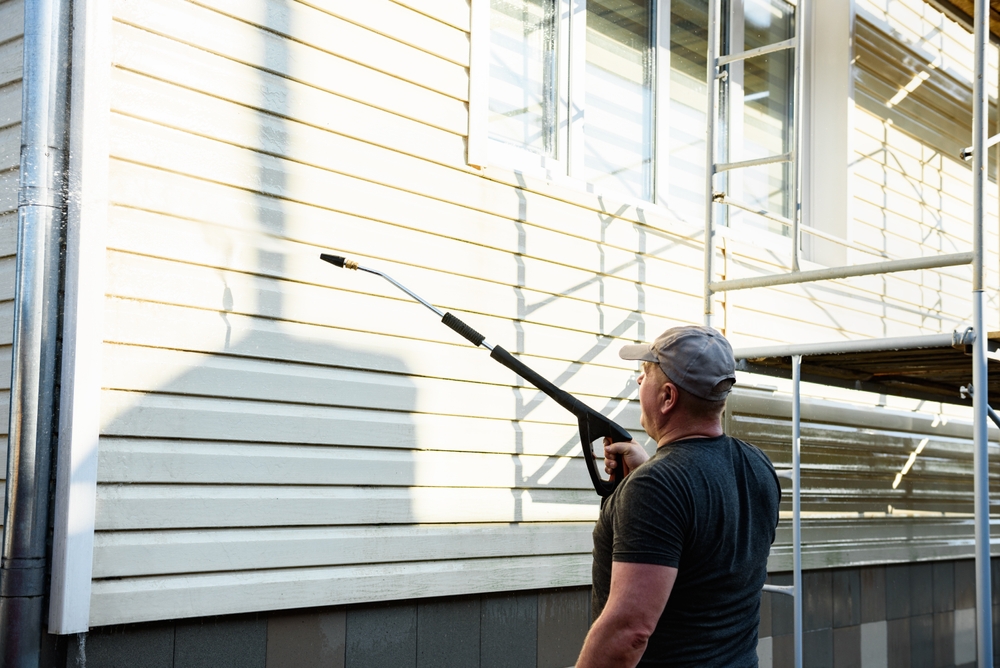
To Pressure Wash or Not to Pressure Wash?
Pressure washers can be effective, but they can also cause significant damage if used incorrectly. A high-pressure stream can strip paint, dent aluminum, crack vinyl, and force water behind your siding, leading to moisture problems.
If you choose to use a pressure washer, follow these rules:
- Use a wide-angle fan tip (40 degrees is a good choice).
- Keep the nozzle at least two feet away from the siding.
- Always spray at a downward angle to avoid shooting water up behind the panels.
- Never use high pressure on a newly repaired area.
Master the Art of the Visual Inspection
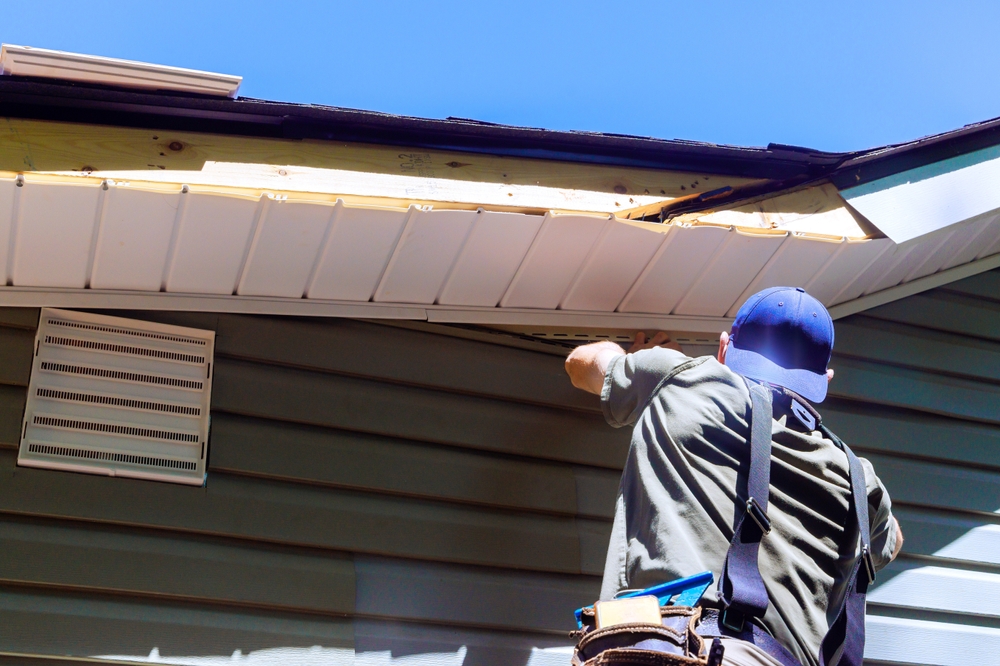
You don’t need to be a professional to spot potential problems. Performing a quick visual inspection a few times a year can help you catch issues early before they become expensive repairs. Walk around your property and look closely at your siding.
What to Look For:
- Cracks, Chips, or Holes: Small impacts can lead to bigger problems. Pay close attention to areas near the ground, where rocks from a lawnmower or stray baseballs might cause damage.
- Warping or Bubbling: This often indicates moisture is trapped behind the siding. Check areas under eaves and around windows where water might collect.
- Fading Color: Uneven fading can be a sign that the protective UV coating on your siding is wearing thin. This is more of an aesthetic issue, but it can signal the age of your siding.
- Loose Panels: Wind can cause siding panels to come loose. Ensure everything is securely fastened, especially after a heavy storm.
- Caulk Integrity: Check the sealant around windows, doors, and corner trim. Cracked or peeling caulk is a primary entry point for water and needs to be replaced.
Seasonal Maintenance for Year-Round Protection
Your siding faces different challenges with each season. Tailoring your maintenance routine to the time of year provides the best protection.
Spring Siding Checklist
After winter’s snow and ice melt away, it’s time for a thorough inspection.
- Clean Away Winter Grime: Give your siding a good wash to remove salt, dirt, and any mildew that may have formed in damp conditions.
- Check for Moisture Damage: Pay extra attention to the bottom of your siding panels near the ground, where melting snow may have sat for extended periods.
- Inspect Gutters: Clogged gutters cause water to overflow and run down your siding, leading to stains and water damage. Make sure they are clean and clear.
Summer Siding Care
Intense sun and summer storms can take a toll.
- Look for Sun Damage: Check for fading or warping, especially on the sides of your home that receive the most direct sunlight.
- Trim Landscaping: Keep trees, shrubs, and vines trimmed back at least 12 inches from your siding. This improves air circulation, prevents moisture from getting trapped, and stops branches from scratching the surface during high winds.
Fall Preparation
Prepare your siding for the harsh winter months ahead.
- Final Inspection: Do one last detailed inspection for any cracks or gaps. Small openings can allow water to get in, freeze, and expand, causing significant damage.
- Seal the Gaps: Apply fresh caulk around windows, doors, and trim to seal any areas where the old sealant has failed. This is one of the most effective ways to prevent winter moisture problems.
- Another Gutter Check: Clear out fallen leaves and debris from your gutters one last time before winter sets in.
When to Call a Professional
While DIY maintenance can go a long way, some jobs are best left to the experts. Knowing when to call for help can save you time and prevent more extensive damage.
Contact a professional siding contractor if you notice:
- Widespread Damage: If you find multiple cracked, loose, or warped panels across a large area—regular visual inspections can help you catch these issues early.
- Signs of Rot or Significant Mold: Soft spots in wood siding or extensive mold growth suggest a deeper moisture issue that needs professional diagnosis. Check out our tips on seasonal maintenance to help prevent this.
- Repair Requires Specialized Tools: Matching siding profiles or colors can be difficult. A professional has access to the right materials to ensure a seamless fix.
- You’re Unsure or Uncomfortable: If you don’t feel confident performing a repair or inspection, it’s always safer to call in an expert. For everyday upkeep, revisit our section on cleaning routines.
By following these maintenance tips, you can protect your recent siding repair and ensure your home’s exterior remains beautiful and durable for years to come.