Northern California is a region of stunning diversity, not just in its landscapes but also in its microclimates. From the foggy, salt-laden air of the Bay Area to the scorching dry heat of the Sacramento Valley and the snowy winters of Lake Tahoe, the climate throws a lot at our homes. For homeowners, this means that choosing the right siding isn’t just an aesthetic decision—it’s a critical investment in your home’s defense system.
Your siding is the first barrier against rain, intense UV rays, wind, and increasingly, wildfire threats. Choosing the wrong material can lead to premature failure, rot, expensive repairs, and reduced energy efficiency. Conversely, the right choice can protect your home for decades, lower your utility bills, and significantly boost your curb appeal.
In this comprehensive guide, we will break down the specific climate challenges Northern California homeowners face and evaluate the top siding materials—Fiber Cement, Vinyl, and Wood—based on their ability to withstand these conditions. Whether you are looking to replace old, crumbling siding or are building a new home, this guide will help you make an informed decision for longevity and performance.
Understanding the Northern California Climate Challenge
Before diving into materials, it is crucial to understand exactly what your siding is up against. Northern California is not a single climate zone; it is a complex mix of weather patterns that can stress building materials in unique ways.
1. Temperature Fluctuations (Thermal Shock)
In the Central Valley and inland areas like Sacramento, temperatures can swing dramatically. It is not uncommon to see summer days reach 105°F and drop to 65°F at night. In the winter, freezing nights can be followed by mild afternoons.
This constant expansion and contraction (thermal cycling) puts immense stress on siding materials. Rigid materials can crack, while others may warp or buckle if not installed with precise expansion gaps. Siding that is not engineered for these fluctuations will fail sooner, leading to gaps where moisture and pests can intrude.
2. Moisture and Humidity
Coastal areas face high humidity and salt spray, which accelerates corrosion and rot. Inland, the winter rainy season can be intense. Extended periods of rain test the water resistance of your exterior cladding. If water penetrates behind the siding, it can get trapped, leading to dry rot in the structural wood framing, mold growth, and expensive remediation.
3. Intense UV Exposure
California sunshine is famous, but it is harsh on home exteriors. prolonged exposure to ultraviolet (UV) rays can fade colors, chalk paint, and degrade certain synthetic materials over time. Materials with poor UV resistance will look tired and worn within just a few years.
4. Wildfire Risk
Perhaps the most critical factor for modern Northern California homeowners is fire resistance. With fire seasons becoming longer and more intense, choosing ignition-resistant building materials is no longer optional in many Wildland-Urban Interface (WUI) zones—it’s a safety necessity. The right siding can prevent embers from igniting your home, providing a crucial buffer during a wildfire event.
Top Contender: Fiber Cement Siding
The Gold Standard for Durability and Versatility
When it comes to balancing longevity, aesthetics, and climate resilience, Fiber Cement siding (often recognized by the leading brand, James Hardie) stands out as the premier choice for Northern California homes.
What is Fiber Cement?
Fiber cement is a composite material made from cement, sand, and cellulose fibers. This unique blend results in a heavy, durable board that mimics the look of wood but possesses the resilience of masonry.
Why It Wins in Northern California
Unmatched Fire Resistance: Fiber cement is non-combustible. It will not ignite when exposed to a direct flame and will not contribute fuel to a fire. For homeowners in fire-prone areas, this peace of mind is invaluable, and many insurance companies view it favorably.
Moisture and Rot Resistance: Unlike wood, fiber cement does not rot. It is impervious to moisture once painted and installed correctly. It is also unappealing to termites and woodpeckers, two common pests that wreak havoc on wood siding in our region.
Stability in Temperature Swings: Fiber cement is engineered to handle thermal cycling better than vinyl. It maintains its shape and integrity even when shifting from blistering heat to cool evenings.
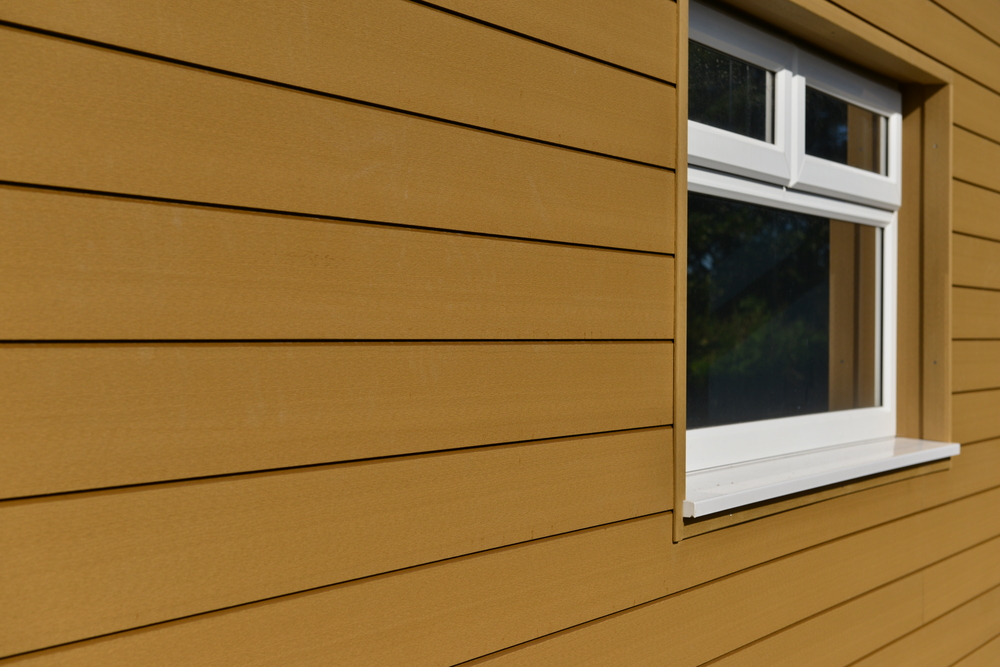
Design Versatility: It comes in a vast array of textures and styles, including lap siding, shingles, and vertical boards (board-and-batten style). The wood-grain textures are incredibly realistic, allowing owners of historic homes to upgrade their protection without sacrificing character.
Maintenance and Longevity
Fiber cement holds paint exceptionally well—often lasting 10 to 15 years before needing a repaint. The material itself can last 50 years or more with minimal maintenance. While the initial investment is higher than vinyl due to the material cost and the specialized installation required, the long-term value is undeniable.
If you are unsure if your current siding needs replacement or just a touch-up, it might be worth consulting a professional. If you have noticed cracks or loose boards, check out our guide onsiding repair in Sacramento to determine if a repair can extend the life of your current exterior.
The Budget-Friendly Performer: Vinyl Siding
Modern Engineering for Efficiency and Low Maintenance
Vinyl siding has come a long way since its introduction. Modern high-quality vinyl is an excellent, cost-effective option for many Northern California homes, offering good performance without the high price tag of fiber cement or wood.
What is Modern Vinyl Siding?
Made from polyvinyl chloride (PVC), modern vinyl siding is engineered for rigidity and color retention. Higher-end “insulated vinyl” options include a foam backing that adds rigidity and increases the R-value (insulation) of your walls.
Why It Works for Northern California
Zero Painting Required: The biggest draw for vinyl is that the color is baked into the material. You will never have to scrape, sand, or paint vinyl siding. For busy homeowners, this “set it and forget it” aspect is a major plus.
Water Resistance: Being plastic, vinyl is naturally immune to water damage and rot. It effectively sheds water during our winter storms, keeping the structure dry.
Cost-Effectiveness: Vinyl is generally the most affordable siding option, both in terms of material and labor. It is lightweight and installs quickly, reducing the overall project timeline.
Limitations to Consider
Thermal Movement: Vinyl expands and contracts significantly with temperature changes. If installed too tightly, it can buckle or wave. In the extreme heat of the Sacramento Valley, lower-grade vinyl can sometimes warp or become brittle over decades. However, high-quality, thicker gauges of vinyl are designed to withstand these temperatures much better.
Fire Resistance: While modern vinyl is treated with fire retardants and is slow to ignite, it will melt when exposed to high heat (like a nearby fire or even concentrated reflection from energy-efficient windows). It does not offer the same level of fire hardening as fiber cement.
The Traditional Choice: Wood Siding
Timeless Beauty with Higher Maintenance Demands
For purists and owners of historic Craftsman or Victorian homes, nothing beats the authentic look of real wood. Cedar and Redwood are the most common choices in California due to their natural resistance to insects and decay.
Why People Choose Wood
Aesthetics: Real wood has a warmth, depth, and texture that synthetic materials try to mimic but never perfectly duplicate. It offers a classic curb appeal that can increase the value of high-end homes.
Sustainability: Wood is a renewable resource and, if sourced responsibly, has a lower carbon footprint during manufacturing compared to cement or plastic-based products.
The Northern California Reality Check
While beautiful, wood requires the most maintenance of any siding material, especially in our climate.
Moisture Vulnerability: If the paint or stain seal is broken, wood will absorb water. This leads to swelling, warping, and eventually, dry rot. Annual inspections are critical to catch these issues early.
Fire Risk: Wood is combustible. In WUI zones, installing wood siding may be restricted by local building codes or may require special fire-retardant treatments to meet safety standards.
Pest Issues: Termites, carpenter ants, and woodpeckers love wood siding. Regular pest control and vigilance are required to keep them at bay.
Despite the maintenance, many homeowners feel the beauty is worth the effort. If you love the look of wood but are worried about the upkeep, consider looking at our siding options page to compare real wood against wood-look alternatives like engineered wood or fiber cement.
Engineered Wood Siding: The Middle Ground
Durability Meets Tradition
Engineered wood (such as LP SmartSide) is a composite material made of wood strands or fibers treated with waxes, resins, and zinc borate. It is designed to offer the look of wood with enhanced durability.
Why It’s Gaining Popularity
Impact Resistance: Engineered wood is incredibly tough. It can withstand hail, stray baseballs, and other impacts better than fiber cement (which can crack) or vinyl (which can crack or dent).
Ease of Installation: It is lighter than fiber cement and can be cut with standard woodworking tools, which can sometimes lower installation costs.
Treated for Longevity: The zinc borate treatment makes it resistant to fungal decay and termites, addressing two of the biggest weaknesses of natural wood.
However, like natural wood, it is still a wood-based product. It requires painting and maintenance of the paint seal to ensure moisture doesn’t penetrate the substrate.
Comparing Energy Efficiency
Northern California energy costs are among the highest in the nation. Your siding plays a role in your home’s thermal envelope.
- Insulated Vinyl: Offers the best inherent insulation value because of the foam backing, which breaks the “thermal bridge” of the wood studs, keeping heat out in summer and in during winter.
- Fiber Cement and Wood: These materials have low R-values on their own. However, when installed with high-quality house wrap and rigid foam insulation underneath, they can be part of a highly energy-efficient wall system.
The Importance of Professional Installation
Regardless of the material you choose, the longevity of your siding is largely dictated by the quality of the installation.
Flashing and Water Management
The most common cause of siding failure isn’t the siding itself—it’s poor water management. Improperly flashed windows, doors, and roof intersections allow water to get behind the siding. In Northern California winters, this trapped moisture leads to hidden rot that can compromise your home’s structure. Professional installers understand how to create a watertight envelope using high-quality weather-resistive barriers (house wrap) and custom metal flashing.
Dealing with Expansion
Every material expands and contracts differently.
- Fiber Cement needs specific clearances from rooflines and hardscape to prevent moisture absorption.
- Vinyl must be “hung” rather than nailed tight to allow it to move freely; otherwise, it will buckle.
- Wood requires proper acclimation before installation and precise nailing patterns to prevent splitting.
Hiring a contractor who specializes in the specific material you have chosen is essential. An installer certified by the manufacturer (like a James Hardie Elite Preferred Contractor) will ensure that all warranty requirements are met, protecting your investment for the future.
Making Your Decision: A Quick Checklist
To help you decide, ask yourself these questions:
- What is your budget?
- Lower Budget: Standard Vinyl
- Mid-Range: Insulated Vinyl or Engineered Wood
- Higher Budget: Fiber Cement or Natural Cedar/Redwood
- What is your tolerance for maintenance?
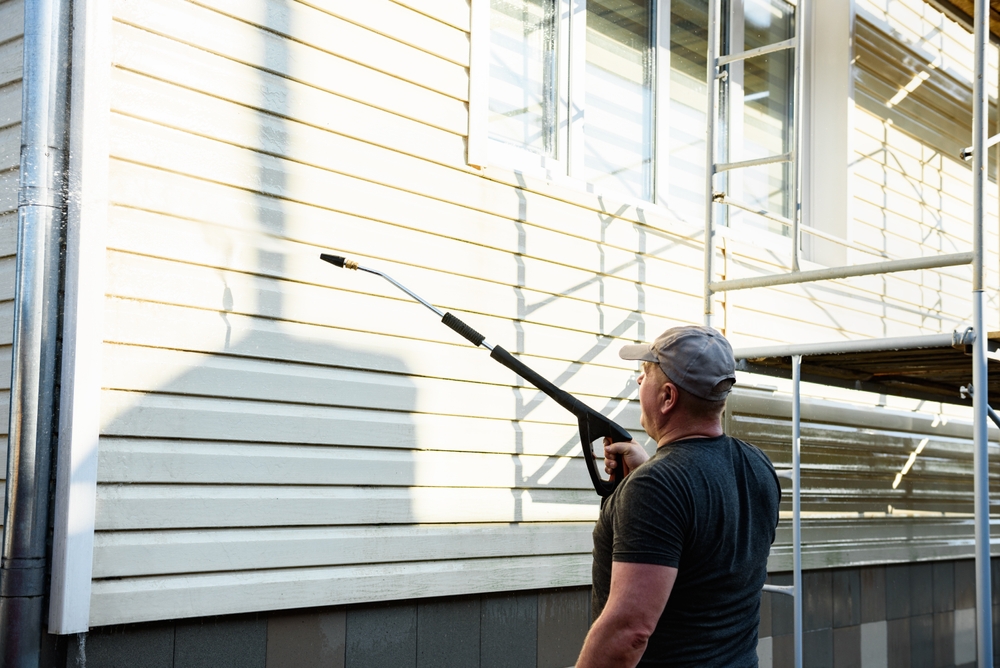
- Low Tolerance: Vinyl (wash occasionally)
- Medium Tolerance: Fiber Cement (paint every 10-15 years)
- High Tolerance: Natural Wood (stain/paint every 3-7 years)
- Are you in a High Fire Severity Zone?
- Yes: Fiber Cement is the safest recommendation.
- How long do you plan to stay in the home?
- Short Term: Vinyl offers a quick facelift.
- Forever Home: Fiber Cement offers the best lifetime value and ROI.
Conclusion
Living in Northern California is a privilege, but it requires us to be smart about how we build and maintain our homes. The “best” siding isn’t a single answer for everyone; it’s the material that best aligns with your home’s architecture, your budget, and your specific microclimate exposure.
For most homeowners in the Sacramento and Bay Area regions, Fiber Cement currently offers the best balance of fire safety, durability against thermal shock, and aesthetic versatility. However, Insulated Vinyl remains a strong contender for energy efficiency and value, while Natural Wood holds a special place for historic preservation.
No matter which path you choose, remember that your siding is a complete system involving insulation, house wrap, flashing, and trim. Don’t cut corners on the installation. Investing in quality materials and expert craftsmanship now will save you thousands in repairs and energy costs down the road, keeping your Northern California home beautiful and safe for generations to come.
FAQ: Northern California Siding
Q: Can I install new siding over my old siding?
A: While it is technically possible in some cases (like installing vinyl over old wood), it is rarely recommended. Removing the old siding allows contractors to inspect the structural sheathing for rot, repair any damage, and install a modern weather barrier. This ensures your new siding performs correctly.
Q: How often should I inspect my siding?
A: You should walk around your home at least twice a year—once in the fall before the rains begin and once in spring. Look for loose panels, cracked caulking, or signs of pest activity.
Q: Is dark-colored siding safe in the California sun?
A: With modern technology, yes. High-quality vinyl and fiber cement paints are now engineered to resist fading and heat absorption better than in the past. However, very dark colors will always absorb more heat, which can slightly increase cooling loads and thermal movement.
If you are ready to explore the possibilities for your home exterior, or if you simply have questions about the state of your current siding, professional guidance is just a click away. Visit our siding options page to see examples of these materials in action, or check out our resources on siding repair if you aren’t quite ready for a full replacement.