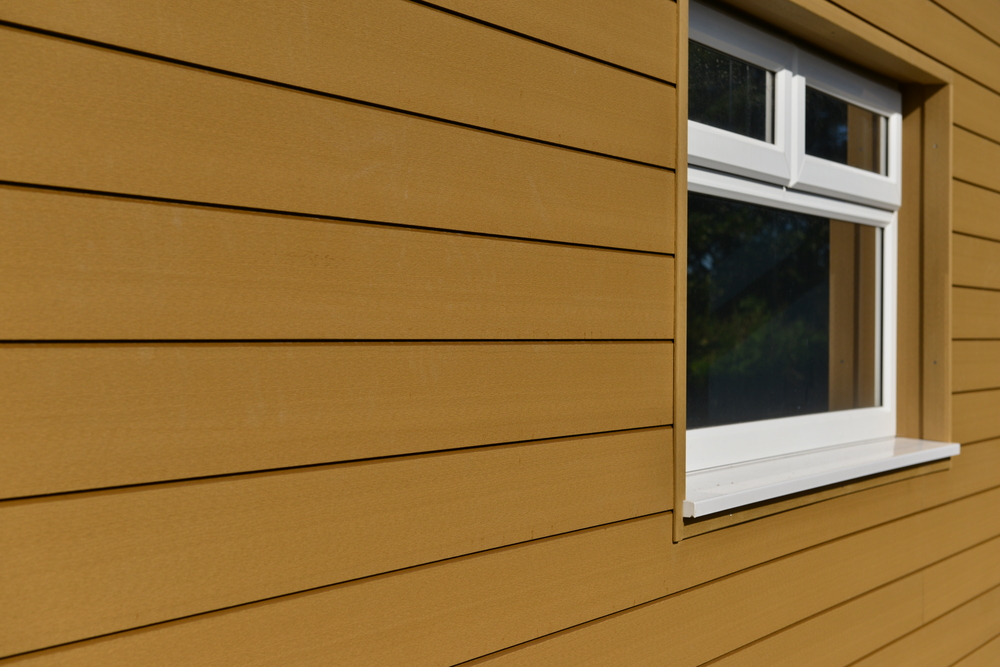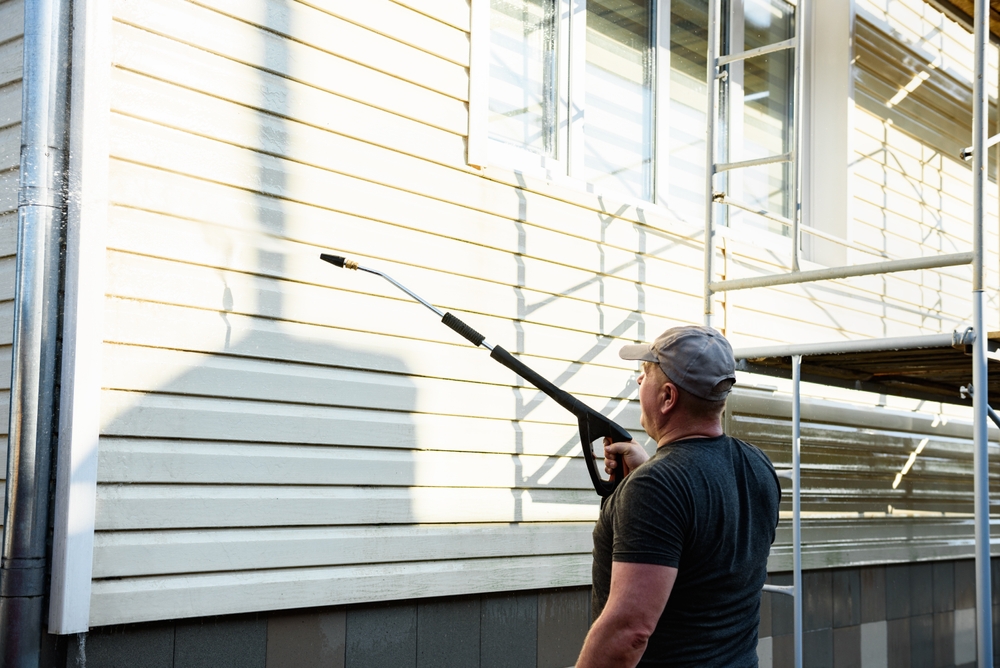
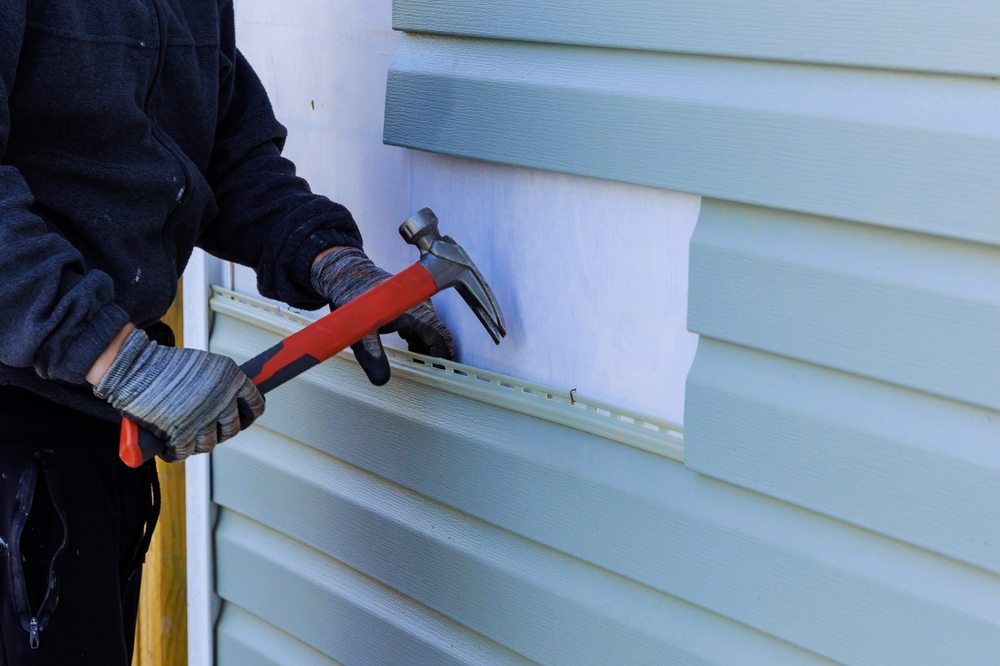
A home’s siding should present a smooth, uniform, and protective shield against the elements. When you look down the length of your walls, you expect to see straight, clean lines. So, when you notice waves, ripples, or bulges, it’s more than just a cosmetic flaw—it’s a serious red flag. Warping and buckling are clear signs that something is wrong with your siding, and more often than not, the culprit is improper installation.
This type of failure doesn’t just detract from your home’s curb appeal; it indicates a breakdown in your exterior’s primary defense system. Gaps and distortions created by buckled siding can allow water and pests to infiltrate your walls, leading to far more severe issues like structural rot and mold. Understanding why siding warps and buckles is the first step toward a permanent solution.
This guide will explore the critical mistakes during installation that lead to these problems, help you identify the warning signs, and explain why entrusting your home to a certified, professional siding contractor is essential for a lasting, beautiful finish.
The Root Cause: Why Siding Warps and Buckles
Most siding materials, including vinyl, fiber cement, and wood, are designed to expand and contract with temperature fluctuations. This natural movement is expected and accounted for in proper installation techniques. Warping and buckling occur when this movement is restricted or when other external forces compromise the siding’s stability. The overwhelming majority of these cases can be traced back to errors made during the initial residential siding installation.
1. Fasteners Driven Too Tightly (Over-Nailing)
This is the single most common cause of warped and buckled siding, especially with vinyl. Siding panels are not meant to be pinned tightly against the wall. They are designed to hang from the fasteners, allowing them to slide back and forth as temperatures rise and fall.
When an installer drives the nails or screws in too tightly, they restrict this movement. As the siding tries to expand in the heat of the sun, it has nowhere to go. The pressure builds up, forcing the panel to bend and distort outward, creating a visible wave or buckle. An experienced installer knows to leave a small gap (about 1/32 of an inch, or the thickness of a dime) between the fastener head and the siding panel. This allows the panel to move freely, preventing stress-related distortion.
2. Improper Nailing Within the Slot
Siding panels have elongated slots for fasteners. The nail or screw should always be placed in the center of this slot, not at either end. Centering the fastener allows the panel to expand and contract evenly in both directions.
If a nail is driven at one end of the slot, it will pin that end in place. When the panel expands, the other end will move freely, but the pinned end will cause the panel to bow and buckle under the uneven stress. This simple mistake can compromise an entire wall of siding.
3. Panels Cut Too Tightly at Edges and Trim
Just as siding needs room to move horizontally, it also requires space at the ends. Where siding panels meet trim pieces—like around windows, doors, and at corner posts—a small gap must be left to accommodate expansion. A standard installation practice is to leave about a 1/4-inch gap in normal weather conditions (and a larger gap if installing in cold weather).
When an installer cuts the panels to fit flush against the trim, they create a pinch point. As the siding expands, the ends of the panels press against the trim, and with nowhere else to go, the panels are forced to buckle outward.
4. Underlying Structural Issues
While less common than installation errors, problems with the wall itself can cause siding to warp. If the wall sheathing is not flat or has absorbed moisture and swollen, it creates an uneven surface. Siding installed over a non-level substrate will not lay flat and will show waves and ripples from day one.
Before any residential siding installation begins, a professional contractor will inspect the walls to ensure they are plumb, flat, and free of moisture damage. Skipping this crucial preparatory step is a sign of an inexperienced or careless crew.
5. Trapped Moisture
Water getting behind the siding can cause the wall sheathing or even the siding material itself (especially wood and some composites) to swell. This swelling pushes the siding outward from behind, leading to bulges and warping. This issue often goes hand-in-hand with improper installation, as unsealed gaps and poor flashing are what allow the water to get in.
Identifying Warped and Buckled Siding: What to Look For
Spotting these issues can be easy if you know what to look for. The best way to inspect your siding is on a sunny day when the light casts shadows that can highlight imperfections.
- Look for Waves and Ripples: Stand back from your home and look down the length of your walls. Do you see wavy lines or ripples instead of flat, straight panels? This is the classic sign of buckling due to restricted movement.
- Check for Bulges: Look for sections of siding that appear to be bulging or bowing outward. This can be caused by over-nailing or moisture trapped behind the panels.
- Inspect Seams and Joints: Examine the vertical seams where two siding panels meet. Properly installed siding will have a slight, intentional overlap. If these seams are pulling apart or, conversely, are jammed tightly together, it indicates a problem with expansion and contraction.
- Examine Areas Around Fixtures: Look closely at the siding around exterior lights, outlets, and spigots. If the siding is distorted or you see siding cracks forming around these fixtures, it’s a sign that the cutouts were not done correctly or that the siding is under stress.
- Listen for Noises: On a hot, sunny day, you may hear creaking or popping sounds coming from your siding. This can be the sound of the panels trying to expand against tight fasteners.
If you spot any of these signs, it’s critical to have a professional siding contractor assess the situation. What appears to be a minor cosmetic issue could be a symptom of a much larger problem that threatens the integrity of your home. If you discover localized areas of damage, it’s smart to consider residential siding repair before things get worse.
The Heritage Exteriors Guarantee: Why Expert Installation Matters
The prevention of warping and buckling comes down to one thing: meticulous, expert installation. This is not a task for a general handyman or a low-bid contractor. It requires deep knowledge of material science, climate considerations, and manufacturer-specific best practices.
At Heritage Exteriors, our family-owned business was founded on a commitment to doing things the right way. We never use subcontractors because we believe that only our dedicated, in-house team can deliver the unwavering quality and attention to detail that we promise. This philosophy is at the core of every project, from a small residential siding repair to a complete residential siding replacement.
James Hardie Elite Preferred Contractor: The Mark of True Expertise
Our pride in our craftsmanship is validated by our status as a James Hardie Elite Preferred Contractor. This is the highest level of recognition awarded by the leading manufacturer of fiber cement siding. It signifies that our team has been extensively trained, tested, and audited to install their durable exterior materials to the most stringent standards.
When we install James Hardie siding, we follow their precise guidelines for fastening, spacing, and clearance. This ensures that the siding has the freedom to move as designed, completely eliminating the risk of warping and buckling. Choosing a James Hardie Elite Preferred contractor like Heritage Exteriors means your investment in long-lasting siding is protected by a flawless installation, preserving both your warranty and your peace of mind. Our expertise ensures you get a beautiful, low-maintenance siding and fire-resistant siding system that performs as intended.
Installation Masters Certified: A Commitment to the Entire Exterior System
A home’s exterior is an interconnected system. The siding must work in concert with windows, doors, and flashing to create a weatherproof envelope. Our team is also Installation Masters certified, a prestigious credential that recognizes our expertise in window and door installation.
This certification is crucial because improperly installed windows and trim are common sources of the moisture that can lead to warped siding. Our holistic understanding of the building envelope ensures that every component, from weather-resistant windows to the siding panels themselves, is integrated perfectly. This comprehensive approach is what sets us apart as a top siding contractor in Rocklin, CA, and the greater Sacramento area.
Addressing the Damage: Repair vs. Replacement
If your siding is already warping and buckling, you have two primary courses of action: repair or replacement.
Can Warped Siding Be Repaired?
For very minor and localized issues, a residential siding repair might be possible. An expert can sometimes remove the affected panels, correct the improper fastening, and reinstall them. However, this is often not a simple fix.
The panels themselves may have been permanently distorted by the stress and heat. Furthermore, if the issue is widespread, repairing one section may only be a temporary solution as other areas begin to fail. The underlying cause—poor installation technique across the entire home—remains. For residents in our service area needing an honest evaluation, our siding repair Sacramento team can provide a thorough assessment.
Why Replacement is Often the Superior Solution
In most cases of significant warping and buckling, a full residential siding replacement is the most effective and responsible long-term solution. Here’s why:
- Corrects the Root Cause: A full replacement removes all the improperly installed material and allows a certified team to start fresh, using proper techniques from the ground up.
- Addresses Hidden Damage: It provides the crucial opportunity to inspect the wall sheathing beneath the old siding. Any moisture damage or rot can be identified and repaired before the new siding is installed, preventing future structural problems.
- Upgrades Performance and Aesthetics: A replacement project allows you to upgrade to a superior material, like James Hardie fiber cement, that offers better durability and performance. It’s a chance to completely transform your home’s look, increase curb appeal, and improve its value.
- Enhances Energy Efficiency: During a replacement, you can also upgrade your home’s exterior insulation. This can significantly improve home insulation, making your home more comfortable and helping to reduce energy bills.
Heritage Exteriors offers a wide range of Siding Replacement Options. Our team will work with you to choose the right material and style for your home, ensuring the final result is not only beautiful but also correctly installed to last for decades.
Protect Your Home from Faulty Installation
Warped and buckled siding is a clear and unmistakable sign of improper installation. It compromises your home’s appearance, value, and, most importantly, its ability to protect you from the elements. Don’t let the mistakes of a previous installer lead to costly structural damage.
If you see signs of trouble on your home’s exterior, contact the proven experts at Heritage Exteriors. As a family-owned, James Hardie Elite Preferred Contractor serving Sacramento, the Bay Area, and Lake Tahoe, we bring a level of professionalism and integrity that is second to none. Our in-house, certified team is dedicated to providing flawless residential siding installation that stands the test of time.Let our family help protect yours. Schedule a consultation today and ensure your home is shielded by a straight, strong, and beautiful exterior for years to come.