Your home’s siding is one of its most important features. It defines your property’s curb appeal, serves as a critical barrier against the elements, and plays a significant role in energy efficiency. When you notice a problem—a crack, a warped panel, or fading color—it’s natural to wonder about the best course of action. This leads to one of the most common dilemmas for homeowners: should you opt for a repair, or is it time for a full replacement?
The siding repair vs. replacement debate doesn’t have a one-size-fits-all answer. The right choice depends on several factors, including the extent of the damage, the age of your siding, your budget, and your long-term goals for your home. Making an informed decision is crucial. A strategic repair can save you thousands of dollars, while a necessary replacement can protect your home from catastrophic structural damage and significantly boost its value.
This guide will provide a comprehensive breakdown of how to evaluate your siding’s condition, the key factors to consider when making your decision, and when to call in Sacramento siding experts for a professional opinion.
The First Step: A Thorough Siding Inspection
Before you can decide between repair and replacement, you need a clear picture of your siding’s overall health. A detailed inspection will help you identify the full extent of any damage, including issues that may not be immediately obvious. You can perform this inspection yourself by walking the perimeter of your home.
What to Look For During Your Inspection:
- Cracks, Holes, and Gaps: Look for any breaches in the siding panels. Small, isolated cracks or holes from an impact (like a stray baseball) are common. Take note of how many you find and how large they are.
- Warping and Bulging: Stand back from your home and look down the length of the walls. Do you see any panels that are bowed, bulging, or no longer lying flat? This is often a sign of moisture trapped behind the siding.
- Rot (for Wood Siding): If you have wood siding, gently poke any discolored or soft-looking spots with a screwdriver. If the wood is soft and spongy, you have rot. Pay close attention to boards near the ground, around window and door frames, and near gutters.
- Loose Panels: Check for any siding panels that have come loose or are rattling in the wind. A single loose panel can allow a significant amount of water to get behind your siding system.
- Fading and Discoloration: Is the color of your siding severely faded or uneven? While often a cosmetic issue, significant fading can indicate that the siding’s protective outer layer has worn away, making it more susceptible to damage.
- Mold, Mildew, or Algae: Green or black streaks on your siding, particularly in shaded or damp areas, can sometimes be cleaned off. However, widespread growth can signal that the siding is retaining too much moisture.
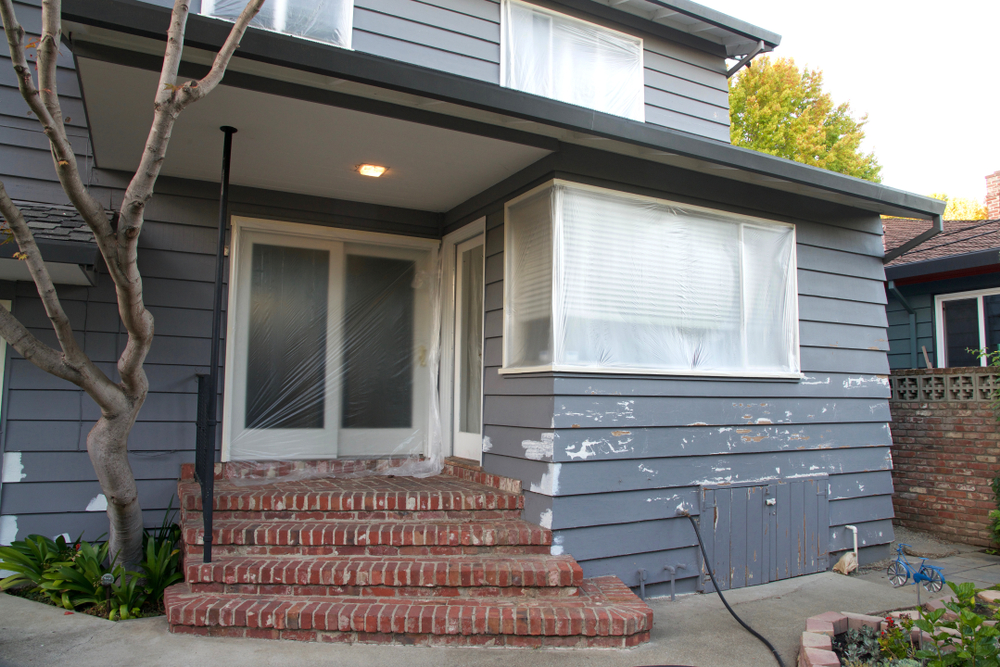
- Peeling Paint or Finish: For painted siding like wood or fiber cement, peeling or bubbling paint exposes the underlying material to the elements, speeding up deterioration.
- High Energy Bills: Have your heating or cooling costs been creeping up? While there could be many causes, aging and damaged siding can be a major contributor due to air and moisture leaks.
Document what you find with photos and notes. This information will be invaluable when you weigh your options or speak with a professional.
When to Repair Your Siding: The Case for a Targeted Fix
A siding repair is the ideal solution when the damage is limited and the rest of your siding is in good structural condition. Opting for a repair can be a fast, cost-effective way to restore your home’s protection and appearance.
Scenario 1: Localized Physical Damage
This is the most common reason for a repair. If a storm has knocked a tree branch into your wall, a lawnmower has kicked up a rock, or a small section has been damaged in some other isolated incident, a repair is usually the best choice.
- Action: A professional contractor can remove the few damaged panels and replace them with new, matching ones.
- Key Consideration: The biggest challenge is often finding an exact match, especially for older siding where the color may have faded or the specific product line has been discontinued. An experienced contractor will have strategies to create a seamless look, such as using a panel from a less visible area of the house for the repair.
Scenario 2: A Few Loose Panels
High winds can sometimes get underneath a panel and loosen it. If only one or two panels are affected and they are not cracked or broken, they can often be re-secured.
- Action: A contractor can carefully remove and then properly re-fasten the loose siding, ensuring it is correctly nailed and interlocked with the surrounding panels.
- Key Consideration: It’s important to understand why the panel came loose. It could be a sign of improper initial installation. A professional should assess the nailing pattern on the surrounding siding to ensure there isn’t a more widespread installation issue.
Scenario 3: Minor Rot on Wood Siding
If you catch wood rot very early and it’s confined to one or two boards, you may be able to repair it without a full replacement.
- Action: The rotted boards can be removed and replaced. In some cases, if the rot is minimal, an epoxy wood filler can be used, though replacement is generally the more durable solution.
- Key Consideration: It is absolutely critical to identify and fix the source of the moisture that caused the rot in the first place. This could be a leaky gutter, poor drainage, or a failed caulk seam. Simply replacing the board without addressing the root cause means the new board will eventually rot too.
Scenario 4: Your Siding Is Relatively New
If your siding was installed within the last 5-10 years and is otherwise in excellent shape, a repair for any minor issues makes the most sense. There’s no reason to replace a system that has decades of life left in it.
The Pros of Siding Repair:
- Lower Upfront Cost: Repairing a small section is significantly cheaper than a full replacement.
- Faster Completion: Most repairs can be completed in a day or less.
- Less Disruption: A targeted fix involves minimal noise and mess compared to a full-scale replacement project.
If you believe your situation falls into one of these categories, seeking a professional consultation for siding repair in Sacramento is a logical next step.
When to Replace Your Siding: The Case for a Fresh Start
While a repair is tempting for its low cost, there comes a point where it’s no longer the smart choice. Continuing to patch up failing siding is like putting a band-aid on a major wound—it’s a temporary fix that ignores a much bigger problem. A full replacement is a major investment, but it’s often the most responsible and cost-effective decision in the long run.
Scenario 1: Widespread Damage
Take a look at the notes from your inspection. If the damage isn’t isolated to one small area, a replacement is likely necessary.
- Telltale Signs: More than 25-30% of your siding is cracked, brittle, or loose. You have rot in multiple locations around the house. You see widespread warping or bulging.
- Why Replace? At this point, the cost and labor of performing numerous individual repairs can start to approach the cost of a full replacement. A replacement ensures a consistent, high-quality installation across your entire home.
Scenario 2: Your Siding Has Reached the End of Its Lifespan
Every siding material has an expected lifespan. If your siding is approaching or has surpassed its “best by” date, it’s time to think about when to replace siding.
- Vinyl Siding: Typically lasts 20-40 years, but lower-quality vinyl can become brittle and crack with age.
- Wood Siding: Can last for decades, but only with regular maintenance (staining, painting, and caulking). Neglected wood siding will fail much sooner.
- Fiber Cement Siding (like James Hardie): Can last 50 years or more. It is extremely durable but not indestructible.
- Why Replace? Old siding is less effective at protecting your home. It’s more prone to cracking and moisture intrusion. Investing in numerous repairs on a material that is already at the end of its life is a poor use of money.
Scenario 3: You Want to Improve Energy Efficiency
Older homes, in particular, may have been built with no insulation or house wrap under the siding. This creates a very drafty and inefficient home.
- Why Replace? A full siding replacement provides the perfect opportunity to upgrade your entire exterior wall system. You can add a modern weather-resistant barrier and a layer of rigid foam insulation before the new siding goes on. This can dramatically reduce your heating and cooling costs, providing a tangible return on your investment.
Scenario 4: There Is Significant Hidden Damage
Sometimes, the real problem is what you can’t see. If you have extensive warping or signs of moisture inside your home (like peeling paint on interior walls), it’s a strong indicator of serious rot in the sheathing or even the structural frame.
- Why Replace? In this situation, a full tear-off is the only way to properly assess and repair the underlying structural damage. Simply patching the siding would be negligent, as it would trap the moisture and allow the rot to continue spreading. This is one of the most critical reasons for a full replacement.
Scenario 5: You’re Planning a Major Exterior Remodel
If you want to dramatically update your home’s appearance, a siding replacement offers a complete transformation. You can change the color, texture, and even the style of your siding (for example, switching from horizontal lap siding to a modern board-and-batten look).
- Why Replace? A full replacement is an investment that significantly boosts curb appeal and property value. It’s a chance to choose modern home siding options that are more durable and lower maintenance than what you currently have.
The Pros of Siding Replacement:
- Long-Term Solution: A new siding system provides decades of protection and peace of mind.
- Fixes Underlying Issues: It allows for the discovery and repair of hidden structural damage.
- Boosts Home Value and Curb Appeal: New siding offers one of the highest returns on investment of any home improvement project.
- Improved Energy Efficiency: An opportunity to add insulation and modern house wrap.
- Unified and Flawless Appearance: Eliminates the problem of mismatched or patched sections.
For a comprehensive look at your options, from materials to styles, you can explore professional residential siding services.
Making the Final Decision: A Checklist
Still on the fence? Ask yourself these key questions:
- What percentage of my siding is damaged?
- Under 10-15%: Repair is likely your best bet.
- Over 25-30%: Replacement is probably the more cost-effective option.
- How old is my siding?
- Less than 10 years: Lean towards repair.
- Approaching or past its expected lifespan: Lean heavily towards replacement.
- Is the damage cosmetic or structural?
- Cosmetic (fading, a small hole): Repair is often sufficient.
- Structural (widespread rot, warping): Replacement is almost certainly necessary.
- What is my budget?
- Limited: A repair can solve the immediate problem, but be prepared for the possibility of future repairs.
- Able to invest: A replacement is a better long-term financial decision if the siding is old or widely damaged.
- What are my long-term plans for the home?
- Selling soon: New siding can be a major selling point.
- Staying for decades: A replacement is an investment in your own long-term comfort and security.
Ultimately, the best way to make a confident decision is to get a professional assessment. A trustworthy contractor will provide an honest evaluation of your siding and give you a clear recommendation based on their findings, not just on what will make them the most money. They should be able to explain the pros and cons of both siding repair vs. replacement as they apply to your specific home.