When people outside the state imagine California weather, they often picture endless sunshine, mild breezes, and comfortable temperatures year-round. While that postcard image is partially true, homeowners know the reality is far more complex and punishing on their properties. California’s climate is a study in extremes: blistering solar radiation, prolonged dry spells, intense heat waves, and increasingly violent “atmospheric river” storms.
Your home’s siding is the shield that stands between your family and these elements. However, the unique combination of stressors found in our region creates specific failure points that are unlike those found in the humid South or the snowy Northeast. Here, we aren’t just fighting moisture; we are fighting the sun itself, along with the rapid oscillation between extreme drought and extreme saturation.
For homeowners, understanding these environmental battles is crucial. It explains why your paint fades so fast, why your vinyl might be warping, and why a sudden leak appeared during the last storm season. In this comprehensive guide, we will explore the unique siding repair challenges posed by the California climate, how to spot the damage, and the best strategies for fortifying your home against the Golden State’s heavy hand.
Part 1: The relentless Assault of the California Sun
The sun is arguably the most destructive force acting on California homes. While rain gets the credit for causing rot, it is the sun that opens the door for the water to get in.
The Science of UV Degradation
California receives some of the highest levels of Ultraviolet (UV) radiation in the country. UV rays are like microscopic battering rams. On a molecular level, they attack the chemical bonds in building materials.
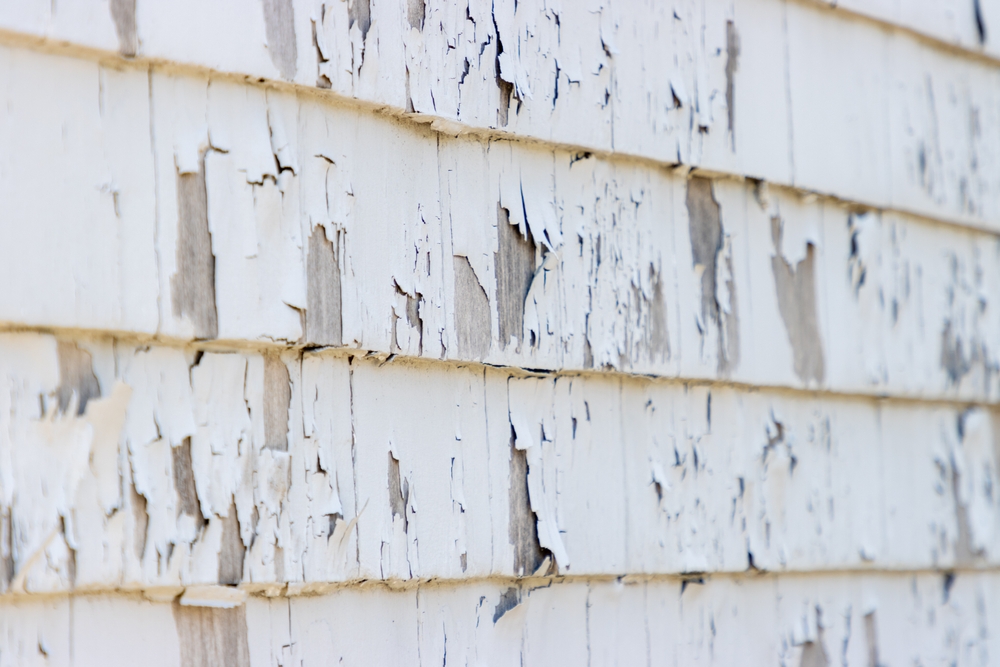
- Paint Breakdown: The binders in paint (the “glue” that holds the pigment together) are broken down by UV light. This leads to “chalking,” where the paint turns to powder and washes away. Once the paint is gone, the siding material underneath is defenseless.
- Lignin Destruction in Wood: If you have natural wood siding, UV rays destroy lignin, which is the natural glue holding wood fibers together. This causes the surface of the wood to turn gray and eventually separate, leading to splintering and cupping.
- Polymer Fatigue in Vinyl: In older or lower-quality vinyl siding, UV radiation attacks the plastic polymers. Over time, this leaches the plasticizers out of the material, turning flexible siding into brittle, fragile sheets that can crack upon impact.
Thermal Shock and the “California Flex”
It’s not just the light; it’s the heat. In inland valleys like Sacramento or the East Bay, summer temperatures routinely top 100°F. The surface temperature of a dark-colored wall in direct sunlight can easily exceed 150°F.
However, California is also known for its diurnal temperature variation—the difference between daily highs and nightly lows. It is not uncommon for a 100-degree day to be followed by a 60-degree night.
This 40-degree swing forces siding materials to expand and contract rapidly every single day.
- The Accordion Effect: Siding grows in the heat and shrinks in the cold. Over thousands of cycles, this movement loosens nails, pops fasteners, and breaks the adhesive seal of caulking.
- Warping and Buckling: If siding was installed without enough room to move (a common installation error), this thermal expansion will cause panels to buckle or wave, creating gaps where water can enter.
- Sealant Failure: This is the most common cause for Siding Repair in Sacramento. The caulk around windows and trim cannot keep up with the constant movement. It eventually tears, leaving a wide-open path for moisture.
Part 2: The Threat of “Atmospheric Rivers”
For years, California deals with drought. Then, in a matter of weeks, we receive a year’s worth of rain. These intense, concentrated storms—often called “atmospheric rivers”—present a unique challenge compared to climates with consistent, year-round rainfall.
The “Dry-Wet” Cycle
The most dangerous aspect of our climate for siding is the transition from extreme dry to extreme wet.
During our long, hot summers, building materials dry out completely. Wood shrinks, caulking pulls back, and the ground around the foundation contracts. Your home essentially opens up millions of microscopic gaps.
Then, winter hits with driving rain. Because the house has “shrunk” and opened up during the summer, it acts like a sponge. Water is driven into gaps that didn’t exist six months prior. By the time the wood swells back up to seal the gap, the water is already trapped inside the wall cavity.
Lateral (Wind-Driven) Rain
California storms are often accompanied by high winds. Siding is generally designed to shed water falling downward (gravity). However, when wind pushes rain sideways at 40 or 50 mph, water travels up.
- Lap Siding Vulnerability: Wind can push water up under the overlap of traditional lap siding. If the siding is loose due to thermal expansion (see above), this water intrusion can be significant.
- Corner Intrusion: Wind drives water into the corners of windows and doors. If the flashing (waterproofing metal) is not perfectly integrated, the pressure of the wind will force water into the framing.
The Stucco Sponge Effect
Stucco is a very common material in California, but it poses specific risks during heavy storm seasons. Stucco is porous; it absorbs water. In a normal rain, it dries out quickly. In an atmospheric river event, where it rains for days without stopping, the stucco can become saturated.
If the moisture barrier behind the stucco (the tar paper or house wrap) has been damaged by heat or age, that stored water will transfer directly into the wood framing of the house, causing dry rot that remains invisible until it is catastrophic.
Part 3: Siding Repair Challenges Specific to the Region
When damage occurs, fixing it in California isn’t always straightforward. The environment complicates the repair process in ways homeowners might not anticipate.
1. The Color Match Nightmare
Because our sun is so intense, siding fades significantly. Even high-quality paints will shift in color over five to ten years.
- The “Patch” Problem: If you have a damaged section of vinyl or pre-finished wood, buying a new piece of the exact same product code will not match. The new piece will be vibrant and dark, while your existing wall is sun-bleached. This forces many homeowners to choose between a patchy-looking repair or painting the entire house.
- Vinyl Obsolescence: Vinyl siding styles and colors change frequently. Finding a match for a product installed 15 years ago is often impossible, turning a small repair into a full replacement discussion.
2. Access During “Mud Season”
When the rains finally come, the clay soil common in Northern California turns into a slick, heavy muck.
- Foundation Risks: Repairs often require working near the foundation. In wet winters, digging around the house or setting up scaffolding on saturated soil can be dangerous and difficult, sometimes delaying critical repairs until the ground dries out in spring.
3. The “Wildfire Interface” Code Requirements
California has the strictest building codes in the nation regarding fire resistance, particularly for homes in the WUI (Wildland-Urban Interface).
- Material Restrictions: If you have old wood shake siding that is damaged, you may not be allowed to repair it with the same material. Local codes often require upgrades to fire-resistant materials during significant repairs. This means a simple repair job can trigger a requirement to upgrade a whole wall or section to ignition-resistant standards.
4. Hidden Dry Rot
As mentioned, the cycle of heat and rain breeds dry rot. The challenge for repair is that the visible damage is often just the tip of the iceberg.
A homeowner might call us for a small piece of loose siding. When we pull it off, we find that the waterproofing felt disintegrated years ago due to heat, and the plywood sheathing underneath is rotted through. This “scope creep” is very common in California repairs because the damage happens silently inside the wall.
Part 4: Choosing Materials for the California Gauntlet
Given these challenges, what should a California homeowner put on their house? The material you choose needs to be a hybrid warrior—able to withstand UV radiation like a desert home and shed water like a coastal cottage.
Why Vinyl Often Struggles
While modern, high-end vinyl has improved, standard vinyl is often a poor match for our valley heat. The thermal movement is simply too aggressive. We frequently see vinyl that has buckled, melted from window reflections, or become brittle enough to crack from a weed whacker impact.
Why Wood is High Risk/High Reward
Wood is beautiful and historically appropriate for our Bungalows and Craftsman homes. However, in California, wood is a “high maintenance relationship.”
To keep wood viable here, you must commit to:
- Painting/staining every 5-7 years religiously.
- Caulking annually.
- Keeping all vegetation trimmed back.
If you miss a maintenance cycle, the sun will destroy the wood fibers, and the winter rain will rot them.
The Superior Solution: Fiber Cement
For the unique mix of fire risk, sun intensity, and storm impact, Fiber Cement (specificallyJames Hardie Siding) is widely considered the best choice for California.
- Dimensional Stability: Fiber cement is composed of cement, sand, and cellulose. It does not expand and contract significantly with heat. This means paint stays intact longer because the surface isn’t stretching underneath it.
- UV Resistance: Hardie’s “ColorPlus” technology is baked on and engineered to resist UV fading much better than field-applied paints.
- Fire Hardening: It is non-combustible. It will not ignite when exposed to direct flame or radiant heat, making it a critical safety upgrade for California homes.
- Moisture Impervious: It does not absorb water like wood or older composites, meaning it won’t swell or rot during an atmospheric river.
Part 5: Maintenance Strategies for the California Homeowner
You cannot change the weather, but you can change how your home responds to it. Here is a maintenance playbook designed for the California climate.
Spring: The Post-Storm Assessment
Once the rains stop (usually April/May), inspect your home.
- Look for Staining: Dark stains on wood or stucco usually mean water soaked in and didn’t dry out fast enough.
- Check the Soil: Ensure dirt hasn’t washed up against the bottom of the siding. You need a 6-inch clearance gap to prevent rot and termite access.
- Gutter Clean-Out: Winter storms fill gutters with debris. Clean them now so they are ready for the unexpected late-spring shower, and to prevent dry debris from becoming a fire hazard in summer.
Summer: The Sealant Check
Mid-summer is the best time to check your caulk, but do it in the morning before the sun heats the wall too much.
- The Stretch Test: Look at the caulk around windows. Has it pulled away? The heat of summer causes the materials to shrink slightly, revealing gaps. Re-caulk these gaps now before winter returns. Use a high-quality polyurethane sealant that stays flexible.
Autumn: The Pre-Storm Prep
Before the “rainy season” begins (usually October/November), prepare the envelope.
- Paint Touch-Ups: If you see peeling or chalking, touch it up now. Paint is your primary waterproofing layer.
- Trim Vegetation: Cut back tree branches that could whip against the siding in high winds. Trim bushes that touch the walls to allow airflow.
- Roof-to-Wall Flashings: Ensure the metal flashings where roofs meet walls are clear of debris. This is a prime spot for leak entry.
Part 6: When to Repair vs. When to Replace
In California, deciding whether to patch a problem or invest in a full replacement comes down to the “Cost of Deferral.”
The Case for Repair
If your siding is generally sound (less than 15-20 years old) and the damage is localized (e.g., one wall hit by a falling branch, or one window with a leak), a targeted repair is the right move.
Professional Siding Repair in Sacramento can surgically remove damaged boards, fix the underlying waterproofing, and integrate new materials to extend the life of the wall.
The Case for Replacement
However, if you are facing the following, replacement is often more economical in the long run:
- Widespread Dry Rot: If rot is found on multiple sides of the house, it indicates a systemic failure of the weatherproofing system.
- Old Composite Siding: If you have LP siding or Masonite from the 90s that is swelling, you cannot repair it. It is defectively manufacturing and will continue to fail.
- Fire Safety Upgrades: If you live in a fire zone and have wood shake siding, replacing it with fiber cement adds value to your home and may even lower your insurance premiums.
Conclusion: Fortifying Your Fortress
Living in California is a privilege, but it comes with a responsibility to protect your property from a dynamic and sometimes harsh environment. The sun that warms our vineyards also bleaches our paint. The rains that fill our reservoirs also test our window seals.
Your siding is more than just “curb appeal.” It is an engineered system designed to manage heat, repel water, and resist fire. By understanding the specific challenges posed by the California climate—from thermal shock to atmospheric rivers—you can stop treating siding damage as a surprise and start treating it as a manageable maintenance task.
Don’t let the sun and storms degrade your investment. Whether you need a targeted repair to fix a winter leak or a comprehensive upgrade to fire-resistant James Hardie siding, the key is to act before the damage reaches the structural framing. A well-maintained exterior ensures that your home remains a sanctuary, come rain or shine.
Is your home ready for the next California heat wave or winter storm? If you suspect sun damage or moisture intrusion, contact Hexteriors today for a professional siding assessment.