Your home’s siding is its first line of defense against the elements. It protects the structural integrity of your house, contributes to its energy efficiency, and defines its curb appeal. But like any exterior component, siding can suffer from wear and tear, storm damage, or age-related issues. When problems arise, prompt and professional siding repair is crucial. As we move through 2025, the standards for quality, materials, and service in the home improvement industry continue to evolve.
For homeowners in areas like Sacramento, where weather can range from intense summer heat to wet winters, maintaining your siding is not just about aesthetics—it’s a critical part of home preservation. If you’ve noticed cracks, warping, or other signs of damage, you might be wondering what to expect from professional siding repair services. This guide will walk you through the entire process, from initial inspection to final walkthrough, highlighting the latest trends, technologies, and customer service standards you should look for in 2025.
The Evolving Landscape of Siding Repair in 2025
The home improvement industry is constantly advancing, with new materials, techniques, and a greater emphasis on sustainability and efficiency. These changes directly impact how professionals approach siding repair. Here’s what sets modern siding repair apart.
A Focus on Integrated Solutions
In 2025, siding repair is no longer about simply patching a hole. Top-tier contractors view your home’s exterior as an integrated system. A professional service will not just fix the visible damage but will also investigate the underlying cause. This includes checking the sheathing, house wrap (weather-resistant barrier), and insulation behind the siding. A comprehensive repair should address moisture intrusion, pest vulnerabilities, and energy loss to ensure the fix is durable and prevents future issues.
Advanced Diagnostic Tools
Technology has given contractors powerful new tools for assessment. Expect leading companies to use more than just a visual inspection.
- Infrared (IR) Cameras: These devices can detect temperature variations behind your siding, revealing hidden moisture pockets or insulation gaps that are invisible to the naked eye. This allows for a more accurate diagnosis of water damage.
- Drones: For multi-story homes or hard-to-reach areas, drones equipped with high-resolution cameras provide a safe and efficient way to get a detailed look at the condition of your siding without the immediate need for ladders or scaffolding.
- Moisture Meters: These handheld tools are used to measure the moisture content in the siding and the underlying wood structure, confirming the extent of any water damage.
Sustainable Materials and Practices
Environmental consciousness is a major trend in construction. Homeowners are increasingly requesting sustainable options, and the market has responded. In 2025, you can expect professional siding repair services to offer eco-friendly materials, such as fiber cement siding made from recycled content or sustainably sourced wood. Repair practices are also becoming greener, with a focus on minimizing waste and recycling old materials whenever possible.
The Professional Siding Repair Process: A Step-by-Step Guide
Knowing what to expect can help you choose the right contractor and ensure your project runs smoothly. A reputable company will follow a clear, transparent process from start to finish.
Step 1: The Initial Consultation and Detailed Inspection
Your first interaction with a siding company should be a professional consultation. This is your opportunity to discuss your concerns, and it’s the contractor’s chance to understand the scope of the problem.
What to Expect:
- Thorough questioning: A good consultant will ask about the history of the damage, any recent extreme weather, and if you’ve noticed related issues like drafts or high energy bills.
- A comprehensive on-site inspection: The inspector should examine not just the damaged section but the entire exterior of your home. They will look for common issues like cracking, warping, fading, rot (in wood siding), and loose panels. They should also inspect caulking around windows and doors, trim, and soffits.
- Use of diagnostic tools: As mentioned, don’t be surprised if a top-tier contractor brings out an infrared camera or moisture meter to get a complete picture. This is a sign of a thorough, modern approach.
For homeowners looking for local expertise, a company familiar with regional challenges is invaluable. For example, Sacramento siding experts understand how the intense sun and seasonal rain can affect different siding materials, allowing them to make more informed recommendations.
Step 2: A Clear and Detailed Estimate
After the inspection, you should receive a written estimate. Vague, one-line quotes are a red flag. In 2025, transparency is key.
Your Estimate Should Include:
- A detailed scope of work: It should clearly state what is being repaired, including specific locations on the house.
- A breakdown of costs: This includes materials, labor, and any permit fees.
- Material specifications: The type, brand, and color of the siding to be used should be listed. The goal is to match your existing siding as closely as possible.
- Repair methodology: The estimate might outline the steps the team will take, such as removing damaged siding, inspecting the substrate, replacing sheathing or house wrap if needed, and installing the new siding.
- Projected timeline: While weather can cause delays, the contractor should provide an estimated start and completion date.
- Warranty information: Details on both the material warranty (from the manufacturer) and the workmanship warranty (from the contractor) should be clear.
Step 3: Pre-Construction and Material Sourcing
Once you approve the estimate, the company will move into the pre-construction phase. This involves ordering the necessary materials and scheduling the work.
Matching Your Existing Siding:
This is often the most challenging part of a repair, especially for older homes. An experienced contractor will go to great lengths to find a perfect or near-perfect match.
- Vinyl Siding: The contractor may need a sample of your siding to identify the manufacturer, color name, and profile. Fading from sun exposure can make an exact match difficult, so they may suggest using a panel from a less visible part of your house for the repair and putting the new panel in its place.
- Fiber Cement Siding: Brands like James Hardie offer a wide range of colors and textures. As a popular material, matching fiber cement is often more straightforward.
- Wood Siding: The species of wood, the cut, and the paint or stain color all need to be matched. A professional team can often replicate custom profiles or source specific wood types.
Step 4: The Repair Work Begins
On the scheduled day, the repair crew will arrive to begin the work. A professional team will prioritize safety, cleanliness, and minimizing disruption to your daily life.
Key Stages of the Repair:
- Site Preparation: The crew should take steps to protect your property. This includes covering nearby landscaping with tarps, protecting windows, and designating a safe area for tools and materials.
- Removal of Damaged Siding: The damaged panels will be carefully removed to avoid harming the surrounding siding or the structure underneath.
- Substrate Inspection and Repair: This is a critical step. With the siding removed, the team will inspect the underlying sheathing and house wrap. If they find any signs of rot, mold, or water damage, this is the time to fix it. Simply covering up a problem will lead to much more expensive repairs down the road.
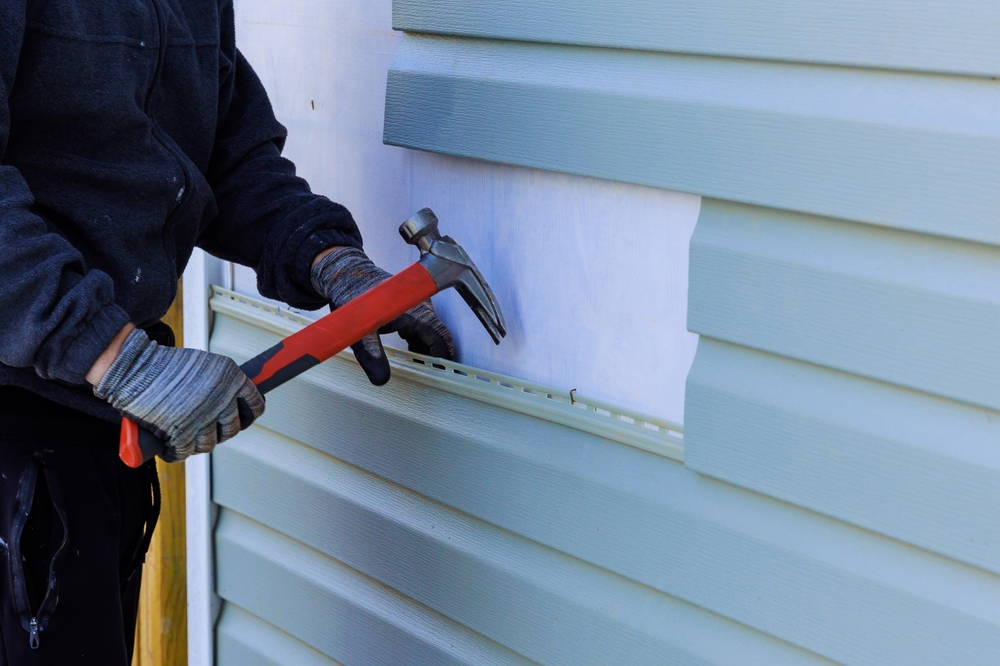
- Installation of New Siding: The new siding panels will be installed according to manufacturer specifications. This is crucial for performance and for the warranty to remain valid. Proper nailing, spacing, and flashing techniques are essential.
- Finishing and Sealing: Once the new siding is in place, the team will apply any necessary paint or stain to match the rest of the house. They will also apply caulk around the edges of the repair, as well as around windows and doors, to create a weatherproof seal.
Step 5: Final Clean-Up and Walkthrough
A professional job isn’t finished until the worksite is clean. The crew should remove all debris, tools, and materials from your property. This often includes using magnetic rollers to pick up stray nails.
After the clean-up, the project manager or crew leader should conduct a final walkthrough with you.
During the Final Walkthrough:
- Inspect the repair: Look closely at the work to ensure the new siding is flush, the color matches, and the seams are tight.
- Ask questions: This is your chance to ask about maintenance, warranty details, or any other concerns.
- Sign-off: Only when you are completely satisfied with the work should you sign off on the project and make the final payment.
Siding Repair vs. Replacement: Making the Right Call
One of the most common questions homeowners face is whether to repair a small section or invest in a full siding replacement. A trustworthy contractor will provide an honest assessment to help you decide.
When is Repair the Best Option?
- Localized Damage: If the damage is confined to a small area (e.g., a few cracked panels from a stray baseball or minor hail damage), a repair is usually sufficient.
- Recent Installation: If your siding is relatively new and in good overall condition, repairing a small section makes financial sense.
- Budget Constraints: A repair is almost always less expensive than a full replacement in the short term.
If you are dealing with a specific issue and need expert advice, seeking a consultation for siding repair in Sacramento can provide clarity. A local professional can assess the damage in the context of your home’s age and local climate.
When Should You Consider a Full Replacement?
- Widespread Damage: If more than 30% of your siding is damaged, cracked, or warped, a replacement is often more cost-effective than numerous individual repairs.
- Old Age: Most siding materials have a lifespan. Vinyl siding lasts about 20-40 years, while fiber cement can last 50 years or more. If your siding is nearing the end of its expected life, replacing it is a better long-term investment.
- Hidden Structural Issues: If an inspection reveals widespread rot or moisture damage underneath the siding, a full replacement is necessary to properly address these structural problems.
- High Energy Bills: Old, uninsulated siding can be a major source of energy loss. Upgrading to new, insulated siding is a home improvement project that can lower your utility bills.
- Aesthetic Overhaul: If you want to dramatically change your home’s appearance, a full siding replacement offers a complete transformation. This is also an opportunity to upgrade to more durable and lower-maintenance 2025 siding trends, like dark-colored fiber cement or vertical paneling.
Hiring the Right Siding Repair Professional in 2025
Choosing a qualified contractor is the single most important factor in a successful siding repair project. Here’s what to look for:
1. Proper Licensing and Insurance
This is non-negotiable. The contractor must have a valid state license and carry both general liability insurance and workers’ compensation. Liability insurance protects your property from damage, while workers’ compensation covers the crew in case of an on-the-job injury.
2. Local Experience and Strong Reputation
Look for a company with a proven track record in your area. Sacramento siding experts, for instance, will have a portfolio of local projects and understand the specific building codes and environmental factors. Check online reviews on platforms like Google, Yelp, and Angi, but also ask for references you can contact directly.
3. Manufacturer Certifications
Top-tier contractors often hold certifications from leading manufacturers like James Hardie. A James Hardie Elite Preferred Contractor, for example, has been trained and tested to install their products to the highest standards. This ensures your material warranty will be honored.
4. A Detailed and Transparent Process
As outlined above, a professional company will be transparent at every stage. They should provide a detailed contract, communicate clearly, and be available to answer your questions. Avoid any contractor who pressures you into making a quick decision or asks for full payment upfront.
5. A Solid Workmanship Warranty
Material warranties cover defects in the product, but a workmanship warranty covers the installation itself. A confident contractor will stand behind their work with a strong warranty, often for five years, ten years, or even a lifetime. This is a promise that if the repair fails due to an installation error, they will fix it at no cost to you.
The Future of Siding: What to Expect Beyond 2025
The world of exterior cladding is always evolving. Looking ahead, we can expect to see even more innovation in siding materials and technology. Trends to watch include:
- Smarter Siding: We may see siding integrated with sensors that can detect moisture intrusion or impact damage in real-time, alerting the homeowner via a smartphone app.
- Self-Healing Materials: Research is underway on polymers that can self-repair minor cracks and scratches, extending the life of the siding.
- Enhanced Energy Efficiency: Future siding products will likely have even higher R-values (a measure of insulation), helping to create ultra-energy-efficient homes.
- Advanced Composite Materials: Expect to see new composites that perfectly mimic the look of natural wood but offer superior durability, fire resistance, and longevity with zero maintenance.
By staying informed about what to expect from siding repair services, you can make confident decisions that protect your investment and keep your home safe, beautiful, and efficient for years to come. Whether you need a minor fix or are considering a major upgrade, partnering with a qualified professional is the key to a successful outcome.