That dark, unsightly stain creeping up the side of your house is more than just an eyesore that hurts your curb appeal. It’s often mold or mildew, a living organism that feeds on your home’s exterior surfaces. These silent spreaders are a common headache for homeowners, especially in the varied climates of Northern California, from the damp Bay Area to the humid summers in Sacramento. While it may start as a small patch, ignoring mold on siding can lead to significant problems, including health concerns, property damage, and costly repairs.
Understanding what causes this growth and how to combat it is essential for protecting your home and family. The solution isn’t always as simple as a quick power wash; often, it’s a sign of a deeper issue with your siding system. This guide will delve into the world of mold and mildew, explaining the risks they pose and outlining the most effective solutions, from targeted siding repair to a full siding upgrade. At Heritage Exteriors, we combine our family-driven commitment to excellence with industry-leading expertise to provide homeowners with lasting solutions that keep their homes beautiful and safe.
Understanding the Difference: Mold vs. Mildew
While the terms “mold” and “mildew” are often used interchangeably, they are distinct types of fungi with different appearances and potential for damage. Identifying which one is on your siding can help you understand the severity of the problem.
What is Mildew? The Surface-Level Nuisance
Mildew is a specific type of mold that tends to grow on flat, moist surfaces. It typically appears as a powdery or downy patch that is white, gray, or sometimes yellowish. You’ve likely seen it in a damp bathroom or on plant leaves. On siding, mildew often grows on the surface layer of dirt and organic debris that accumulates over time.
For the most part, mildew is a cosmetic issue. It looks unpleasant and can stain your siding, but it rarely penetrates the surface or causes structural damage. It can usually be cleaned off with the right solutions and a bit of effort. However, its presence indicates that conditions are right for fungal growth—namely, moisture is present.
What is Mold? The Deeper, More Damaging Threat
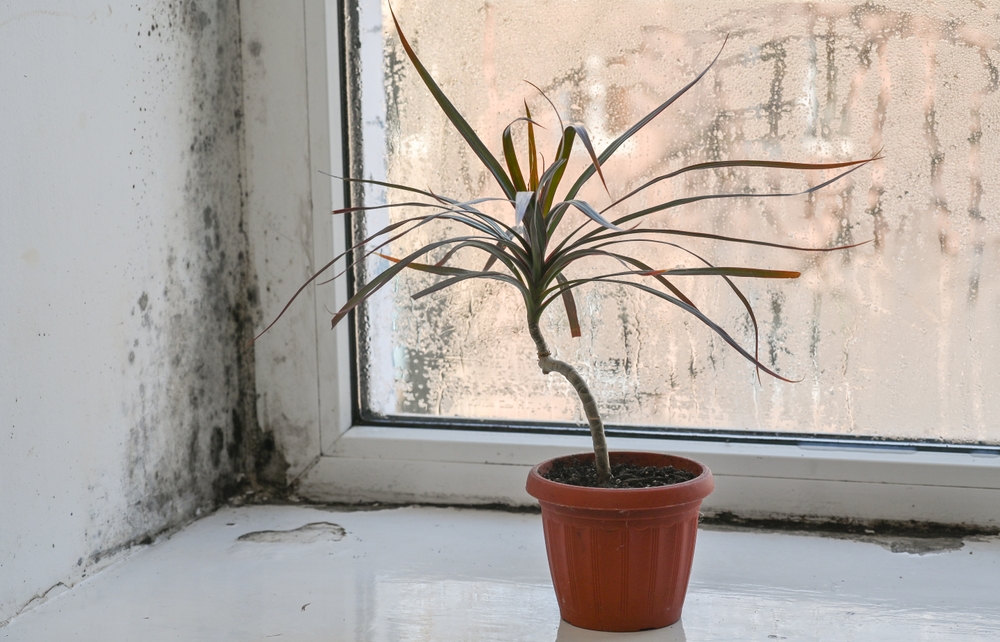
Mold is a much more significant concern. It often appears as fuzzy or slimy patches that can be black, green, brown, or even orange. Unlike mildew, mold has a root structure that can penetrate deep into porous materials like wood or old composite siding. As it grows, it digests the material it’s living on, leading to decay and deterioration.
The presence of black mold, in particular, can be alarming for homeowners. Certain species, like Stachybotrys chartarum, are known for producing mycotoxins that can pose health risks. When you see mold on your siding, it’s not just an issue of aesthetics; it’s a warning sign of potential water damage siding, rot, and indoor air quality problems. Addressing it properly is crucial.
What Causes Mold and Mildew to Grow on Siding?
Mold and mildew spores are everywhere in the natural environment. They are harmless until they land on a surface with the right conditions to grow. For these fungi to thrive on your home’s exterior, they need three key ingredients: moisture, a food source, and the right temperature.
The Critical Role of Moisture
Moisture is the single most important factor for mold growth. Without it, spores remain dormant. Your siding can become damp for many reasons:
- High Humidity: In areas like the Bay Area or Sacramento, high humidity provides enough ambient moisture in the air to support fungal growth on surfaces.
- Rain and Sprinklers: Rainwater splashing onto siding or persistent overspray from lawn sprinklers keeps the surface wet.
- Shade: The sides of your home that receive little to no direct sunlight, especially the north-facing side, dry out much more slowly. This prolonged dampness creates a perfect breeding ground.
- Leaking Gutters: Clogged or damaged gutters can cause water to overflow and run down the siding, creating constant wet spots.
- Cracked Siding or Poor Sealing: Siding cracks, failing caulk around windows, and improper flashing allow water to get behind the siding. This trapped moisture is a primary cause of severe mold and siding rot issues.
A Food Source: What Fungi Feed On
Mold and mildew need organic material to consume for energy. On your siding, this “food” can come from several sources:
- Dirt and Pollen: A layer of dust, dirt, pollen, and other organic debris on the surface of your siding is often enough to sustain mildew and some surface molds.
- Wood and Cellulose: Porous siding materials like natural wood siding (including cedar siding) and older composite siding contain cellulose, which is a primary food source for mold. This is why these materials are particularly vulnerable to rot.
- Paint: Some older types of oil-based paints contain organic compounds that mold can feed on.
Favorable Temperatures and Lack of Sunlight
Mold and mildew can grow in a wide range of temperatures, but they flourish in moderate, shaded conditions. Sunlight is a natural enemy of mold, as its UV rays can kill spores and its heat helps dry wet surfaces quickly. Areas of your home that are constantly in shade are at a much higher risk. Overhanging trees, nearby buildings, or the orientation of your house can all contribute to creating these favorable microclimates.
The Risks of Ignoring Mold on Your Siding
Leaving mold and mildew on your siding is a gamble with potentially high stakes. The problem rarely gets better on its own and can lead to a host of other issues.
Compromised Curb Appeal and Property Value
First and foremost, mold is ugly. Dark streaks and splotches running down your siding significantly detract from your home’s curb appeal. This can make your home look neglected and can negatively impact its market value. When it comes time to sell, mold on siding is a major red flag for potential buyers and home inspectors, often leading to lower offers or demands for remediation before the sale can proceed.
Siding Rot and Structural Damage
This is the most significant risk to your property. When mold takes root in porous siding like wood, it begins to break down the material’s cellular structure. This leads to siding rot, which weakens the siding panels and compromises their ability to protect your home.
If the moisture source is a leak or crack that allows water behind the siding, the problem becomes much more severe. Water trapped in the wall cavity can cause the structural sheathing and even the wall studs to rot. This kind of water damage can threaten the structural integrity of your home and requires extensive, invasive, and expensive repairs that go far beyond a simple residential siding replacement.
Potential Health Concerns
Mold releases spores into the air, which can be inhaled. For many people, these spores can trigger allergic reactions, including sneezing, runny nose, red eyes, and skin rashes. For individuals with asthma, mold exposure can lead to more frequent and severe asthma attacks.
In some cases, particularly with certain types of black mold, exposure to mycotoxins can lead to more serious health issues, often referred to as “toxic mold syndrome.” Symptoms can include headaches, fatigue, and respiratory problems. If mold from the siding finds a way into your home through cracks or around drafty windows, it can significantly degrade your indoor air quality and pose a risk to your family’s health.
Choosing the Right Siding to Prevent Mold
The best way to deal with mold is to prevent it from growing in the first place. Your choice of siding material is the most important decision you can make in this regard.
High-Risk Materials: Wood and Some Composites
Natural wood siding is highly susceptible to mold and mildew. Its porous nature readily absorbs moisture, and its organic composition provides a plentiful food source. While beautiful, cedar siding and other wood products require diligent maintenance, including regular cleaning and sealing, to keep mold at bay. Even with proper care, they remain vulnerable in damp, shady environments. Older composite siding can also suffer from similar issues as its protective layer wears down.
Mold-Resistant Siding Replacement Options
For a long-term, low-maintenance solution, upgrading your siding is the most effective strategy. Modern materials are engineered to resist moisture and inhibit fungal growth.
- James Hardie Fiber Cement Siding: This is the gold standard for mold-resistant siding. Fiber cement is made from a mixture of cement, sand, and cellulose fibers. It is non-porous and does not absorb water. Because it’s not an organic material, it offers no food source for mold or mildew. This makes it an ideal choice for any climate, from Lake Tahoe to the Bay Area. Heritage Exteriors is proud to be a James Hardie Elite Preferred Contractor, a recognition we earned in 2023 that speaks to our deep expertise and commitment to quality siding installation. This elite status assures our clients that their home is being protected by the best product, installed by the best team.
- Vinyl Siding: Vinyl is another excellent mold-resistant option. It is a plastic material that is impervious to moisture. Mold and mildew can still grow on the surface dirt on vinyl siding, but it cannot penetrate or damage the material itself. This surface growth is typically easy to clean off. For homeowners looking for a cost-effective way to reduce maintenance, vinyl is a solid choice among various siding replacement options.
How to Get Rid of Mold and Mildew
Your approach to removing mold and mildew depends on the severity of the growth and the type of siding you have.
Cleaning Solutions for Surface-Level Mildew
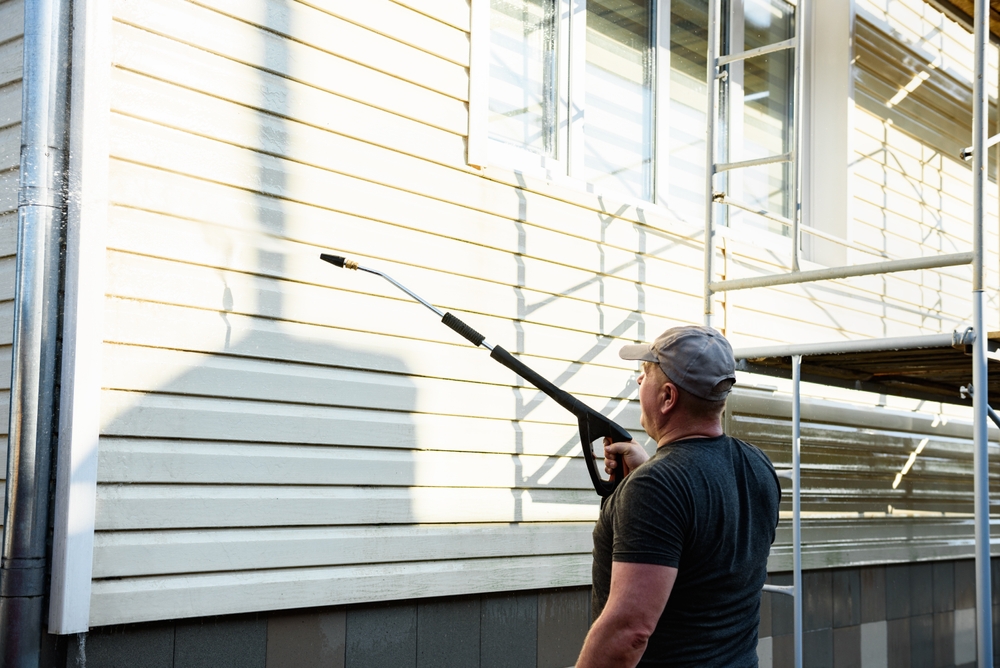
For minor mildew and surface mold on materials like vinyl or fiber cement, a DIY cleaning solution can be effective. A mixture of one part household bleach to ten parts water, along with a small amount of non-ammonia detergent, can be applied with a garden sprayer. Let the solution sit on the surface for 10-15 minutes (without letting it dry), then scrub gently with a soft-bristle brush and rinse thoroughly with clean water.
CAUTION: Always wear protective gear (gloves and goggles) when working with bleach. Protect surrounding plants by covering them or rinsing them with water before and after you apply the solution. Never use a high-pressure power washer, as it can damage the siding or force water behind it, creating a worse problem.
When to Call a Professional Siding Contractor
DIY cleaning is only suitable for small, surface-level issues. You should call a professional siding contractor if you encounter any of the following:
- Extensive Growth: If mold covers a large area of your siding.
- Porous Siding: If you have mold on wood or composite siding, as the problem is likely deeper than the surface.
- Signs of Rot: If the siding feels soft, is crumbling, or shows other signs of decay.
- Recurring Problems: If you clean the mold off and it keeps coming back, it indicates an underlying moisture issue that needs to be professionally diagnosed and fixed.
A professional contractor like Heritage Exteriors will do more than just clean the surface. Our team will perform a thorough inspection to identify the root cause of the moisture problem, whether it’s a leak, poor drainage, or failing siding. This comprehensive approach ensures that we solve the problem for good.
Siding Repair and Replacement: The Permanent Solution
For siding that is cracked, rotted, or otherwise compromised, cleaning is not enough. The damaged sections must be professionally repaired or replaced. In cases of widespread damage or with old, vulnerable siding, a full residential siding replacement is the wisest investment.
Replacing old siding with a modern, mold-resistant material like James Hardie fiber cement siding eliminates the problem permanently. It also provides an opportunity to improve your home’s entire exterior envelope. During a full replacement, we can install new, weather-resistant barriers and upgrade insulation, helping to reduce energy bills and prevent future moisture issues. Our Installation Masters certification is your guarantee that every aspect of the installation process is handled with precision and expertise, adhering to the highest industry standards for a weather-tight and long-lasting finish.
Heritage Exteriors: Your Expert in Mold Remediation and Siding Solutions
At Heritage Exteriors, we are more than just a contractor—we are a family-owned company rooted in strong values and a commitment to protecting your family’s home. We understand that issues like mold are stressful for homeowners. That’s why we bring a personal, dedicated touch to every project, from a small siding repair in Richmond, CA, to a full siding replacement in Rocklin.
Our elite certifications from James Hardie and Installation Masters are not just titles; they are a reflection of our relentless pursuit of perfection and a promise of reliability to our clients. We never use subcontractors, so you can be confident that the team working on your home is our dedicated, in-house crew of experts.
Don’t let mold and mildew compromise the beauty, value, and safety of your home. If you’re seeing the signs of these silent spreaders, contact Heritage Exteriors today. We will provide a thorough assessment and recommend the right solution to protect your investment for years to come.