It happens in the blink of an eye. A stray baseball from the neighbor’s yard, a heavy branch snapping during a winter storm, or even a pebble launched like a projectile from a lawnmower. The result is always the same: a sickening thud followed by the sinking realization that your home’s exterior armor has been breached.
Impact damage is one of the most common reasons homeowners seek out siding repairs. Unlike slow-acting issues like rot or fading paint, impact damage is sudden and violent. It leaves behind unsightly dents, jagged holes, or hairline cracks that ruin your curb appeal instantly. But the cosmetic damage is often just the tip of the iceberg.
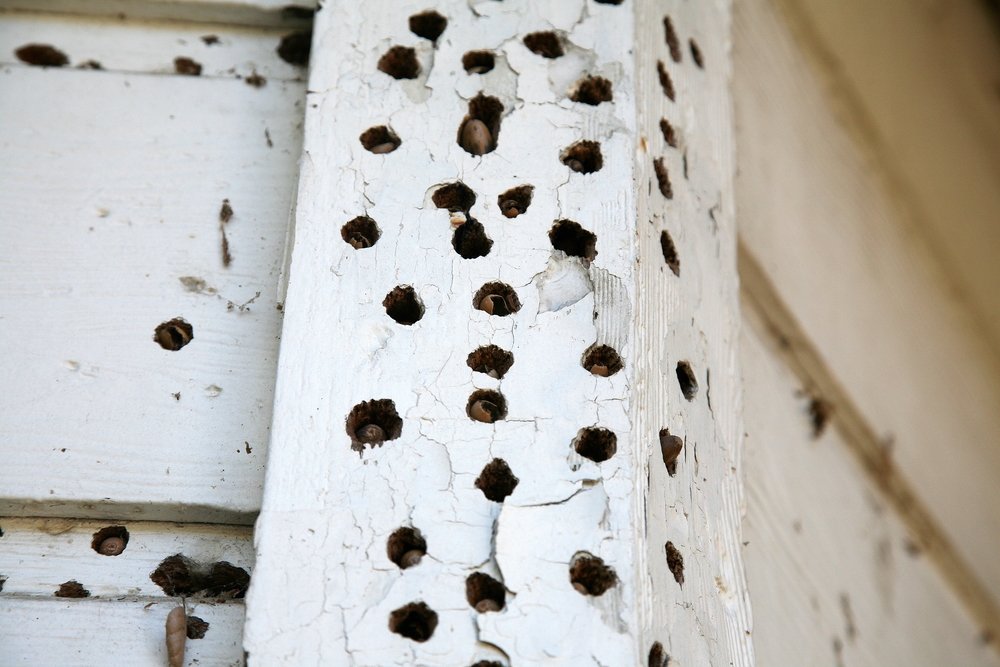
That seemingly small crack is a gateway. It allows moisture to seep behind your siding, inviting mold, rot, and insects into the structural framework of your home. What starts as a quick fix can evolve into a major renovation if ignored.
In this comprehensive guide, we will break down everything you need to know about impact damage. We will explore how different siding materials react to trauma, provide step-by-step repair strategies for the handy homeowner, and help you recognize when a patch job just won’t cut it. Whether you are dealing with aluminum, vinyl, wood, or fiber cement, this is your roadmap to restoring your home’s exterior.
Understanding Impact Damage: It’s Not Just a Scratch
Before you grab your toolbox, you need to understand what you are up against. Impact damage behaves differently depending on the material cladding your home. A blow that dents one type of siding might shatter another.
The Physics of the Hit
When an object strikes your siding, the energy of that impact has to go somewhere.
- Flexible materials (Vinyl): Vinyl has some “give,” but in cold weather, it becomes brittle. A high-velocity impact (like a hailstone or rock) can shatter it like glass. In hot weather, it might just flex and bounce back, or potentially puncture.
- Rigid materials (Fiber Cement/Stucco): These are hard and durable but have zero flexibility. Impact energy usually results in cracks or chips rather than dents.
- Malleable materials (Aluminum/Steel): Metal siding absorbs the energy by deforming. The result is a permanent dent that stretches the metal, making it difficult to smooth back out.
- Organic materials (Wood): Wood fibers can be crushed or splintered. A heavy impact might gouge the wood or split a board down the grain.
Common Culprits in Sacramento & The Bay Area
In our region, we see specific patterns of damage:
- Storm Debris: High winds in the valley often bring down tree limbs that strike siding.
- Hail: While rarer than in the Midwest, Northern California does see hail storms that can pepper siding with small dents.
- Human Error: From errant golf balls to vehicles bumping the side of the garage, accidental impacts are a daily occurrence.
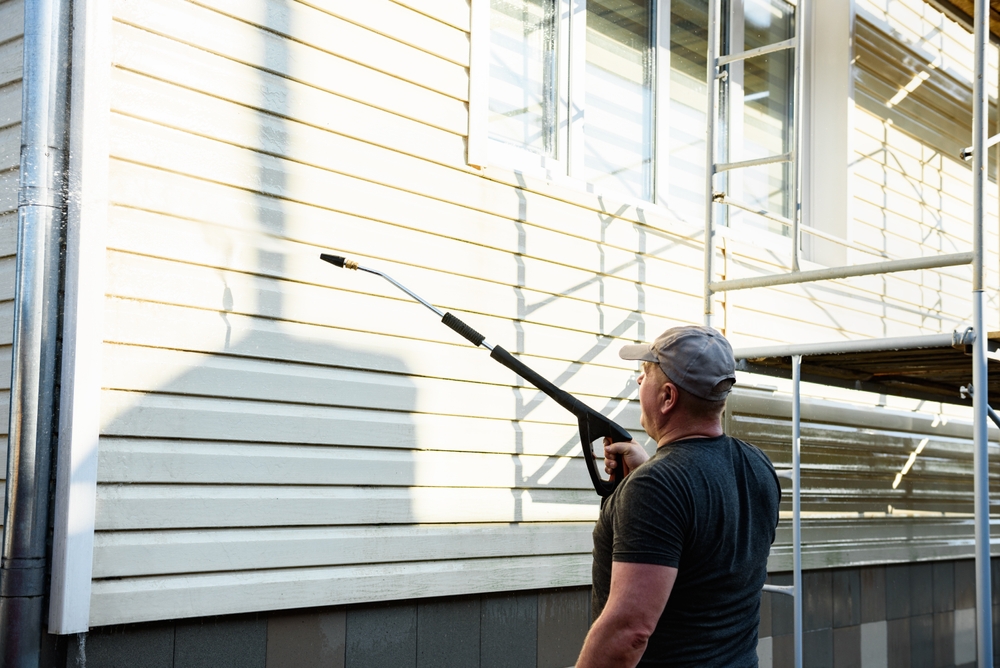
- Construction/Maintenance: Ladders leaning against the house or pressure washers used too close can cause dents and gouges.
Assessing the Damage: Triage for Your Home
Not all damage requires the same level of intervention. Walk around your home and inspect the affected area closely.
1. The Cosmetic Dent
- Appearance: A shallow depression, usually on aluminum or steel siding. The paint is intact, and the metal isn’t pierced.
- Severity: Low. This is purely aesthetic. It won’t let water in, but it looks bad.
2. The Clean Crack
- Appearance: A vertical or horizontal split in vinyl or fiber cement. The pieces are still aligned, but there is a visible break.
- Severity: Medium. Water can get in through capillary action. Wind can catch the crack and rip the siding further. This needs attention soon.
3. The Puncture Hole
- Appearance: A jagged hole where material is missing. You might see the house wrap or sheathing underneath.
- Severity: High. This is an open wound on your house. Rain, bugs, and rodents have free access to your wall cavity. Immediate repair is required.
4. The Shattered Panel
- Appearance: A large section of vinyl or fiber cement is broken into multiple pieces or completely detached.
- Severity: Critical. Your home’s envelope is compromised.
If your assessment reveals deep punctures or widespread shattering, you may need professional help to ensure the moisture barrier behind the siding remains intact. Visit our siding repair page to see how we handle severe impact damage.
Repairing Vinyl Siding: Cracks and Holes
Vinyl is the most popular siding material, but it is also the most prone to cracking upon impact. Fortunately, it is also one of the easiest to repair if you have the right tools.
The “Zip Tool” is Your Best Friend
To do any work on vinyl siding, you need a siding removal tool (often called a zip tool). This inexpensive hooked tool allows you to unlock the bottom edge of a siding panel from the panel below it, giving you access to the nailing hem.
Fixing Small Holes (The Caulk Method)
If you have a tiny puncture (like from a BB gun or nail), you don’t need to replace the whole panel.
- Clean the area: Use soap and water to remove dirt.
- Color-match caulk: Buy a high-quality exterior siding caulk that matches your vinyl color.
- Fill and smooth: Overfill the hole slightly and smooth it with a wet finger. As it dries, it will shrink slightly.
Patching Larger Holes (The Cut-and-Paste Method)
For holes up to a few inches wide:
- Find a scrap piece: Use a leftover piece of siding from your installation or cut a piece from an inconspicuous area (like behind a bush).
- Cut the patch: Cut a section of the scrap siding that is larger than the hole. Cut off the top nailing hem and the bottom locking lip so you just have the face of the panel.
- Test fit: Ensure the patch fits over the damage and matches the profile curves.
- Adhere: Apply a generous amount of construction adhesive to the back of the patch.
- Secure: Press the patch over the hole. You may need to use painter’s tape to hold it in place while the adhesive cures.
Replacing a Cracked Panel (The Full Swap)
If a panel is cracked or shattered, patching looks terrible. Replacement is the only option.
- Unlock the panel above: Use your zip tool to unhook the bottom of the panel above the damaged one.
- Remove nails: Gently lift the upper panel to expose the nail hem of the damaged panel. Use a pry bar to remove the nails.
- Unlock the damaged panel: Use the zip tool to unlock the bottom of the damaged panel from the one below it.
- Slide it out: Pull the damaged panel down and out.
- Install the new panel: Slide the new panel up into place until the bottom lock clicks.
- Nail loosely: Drive nails into the nailing slots at the top. Crucial: Do not nail tight! Leave about 1/16″ gap between the nail head and the vinyl to allow for expansion.
- Relock the top panel: Use the zip tool to pull the upper panel down and snap it over the lock of your new panel.
Repairing Wood Siding: Splits and Gouges
Wood is resilient, but impact can cause ugly splits. Water loves these splits, wicking deep into the fibers and causing rot.
Fixing Minor Gouges and Dents
- Clean the wound: Remove loose splinters with a utility knife.
- Wood filler: Use a two-part epoxy wood filler (not standard wood putty). Mix it and press it firmly into the gouge, overfilling it slightly.
- Sculpt: Before it hardens completely, use a putty knife to shape it to match the surrounding wood grain or profile.
- Sand and Paint: Once hard, sand it flush, prime it, and paint it.
Repairing Split Boards
If a board is split down the middle but still attached:
- Pry it open: Gently insert a putty knife into the crack to widen it slightly.
- Inject glue: Squeeze waterproof exterior wood glue into the crack.
- Clamp it: If possible, use clamps to pull the wood together. If you can’t clamp it, drive galvanized finish nails at an angle through the bottom edge to pull the split closed.
- Wipe excess: Wipe away squeezed-out glue immediately.
- Seal: Once dry, caulk the crack if any visible line remains, then paint.
Repairing Fiber Cement Siding: Chips and Breaks
Fiber cement (like James Hardie) is tough, but brittle. A hard impact usually results in a clean break or a chunk missing.
Patching Chips
For small chips (less than a coin size):
- Clean: Brush away loose dust.
- Cementitious patch: Use a patching compound specifically made for fiber cement.
- Fill: Trowel the compound into the chip.
- Match texture: If your siding has a wood grain texture, dab the wet patch with a coarse brush or sponge to mimic the grain.
- Paint: Touch up with color-matched paint.
Replacing a Broken Plank
Fiber cement is heavy and nailed tight (blind nailed). Replacing a board is harder than vinyl.
- Protect the barrier: Be very careful not to cut the house wrap behind the siding.
- Cut the nails: You cannot pry the nails out easily. Use a reciprocating saw with a metal-cutting blade. Slide the blade under the damaged board to cut the nails holding it. Then slide the blade under the board above the damaged one to cut the nails going through the top of your damaged board.
- Remove the board: The board should now slide out.
- Install new board: Cut the new board to length. Slide it into place.
- Face nail: Since you can’t access the nailing hem (it’s covered by the board above), you must face nail the new board. Use stainless steel siding nails.
- Caulk and Paint: Caulk the butt joints and cover the nail heads with paint.
Repairing Aluminum Siding: Dents and Holes
Aluminum is rarely installed on new homes today, but many older Sacramento homes still have it. The biggest issue with aluminum is dents.
The Drilling Method (For Dents)
If you can’t access the back of the siding to hammer the dent out, try this:
- Drill holes: Drill several small holes (1/8 inch) along the deepest part of the dent.
- Insert screws: Screw washer-head screws halfway into the holes.
- Pull: Use pliers to grip the screw heads and pull the siding outward until it is roughly flush.
- Fill: Remove the screws. Fill the holes and the remaining unevenness with auto body filler (Bondo).
- Sand and Paint: Sand smooth, prime with metal primer, and paint.
Note: Finding matching aluminum siding for replacement is incredibly difficult as styles have changed. Repair is often the only option short of re-siding the whole house.
When Repair Is Not Enough: The Case for Replacement
Sometimes, a patch is just putting lipstick on a pig. There comes a point where the structural integrity of your home is at risk, or the cost of repairs approaches the cost of replacement.
1. Widespread Impact Damage
If a hail storm has left hundreds of dents on one side of your house, spot-fixing is impossible. Painting over dents rarely hides them; in fact, glossy paint often makes dents more visible. In this case, replacing the siding on that entire elevation (wall) is the best solution.
2. Matching Issues
Siding fades. Even if you have a box of spare siding in the garage from 10 years ago, it will be significantly darker and more vibrant than what is currently on your house. Putting a “new” panel in the middle of a “old” wall creates a patchwork quilt effect. If the damage is in a highly visible area, you may need to replace the whole wall to ensure color consistency.
3. Hidden Water Damage
If the impact damage went unnoticed for months (or years), water has likely been getting in. When you remove the damaged siding to repair it, you might find black rot on the sheathing or wet insulation. At this point, you aren’t just fixing siding; you are doing structural remediation. This often requires removing large sections of siding to chase the rot.
4. Obsolete Materials
If you have asbestos siding or old aluminum profiles that are no longer manufactured, you cannot buy replacement pieces. You can try to harvest pieces from the back of the house to fix the front, but eventually, you will run out of options.
If you are facing these larger issues, it is time to call in the experts. We can help you decide if a repair is viable or if it is time to invest in a new exterior. Explore our siding repair services for professional guidance.
Preventing Impact Damage: Fortify Your Home
You can’t stop the weather, but you can reduce the risk of impact damage.
- Landscaping Strategy: Trim overhanging branches that could snap in a storm. Keep shrubs pruned back so they don’t whip against the siding in the wind.
- Create Zones: If you have kids who play sports, designate play areas away from the house or install protective netting.
- Mind the Mower: When mowing, direct the discharge chute away from the house to prevent rocks from becoming missiles.
- Upgrade Materials: If you live in a hail-prone area or have a high-activity yard, consider upgrading to fiber cement or engineered wood siding, which have much higher impact resistance than standard vinyl.
Conclusion: Don’t Let the Damage Linger
Your home’s siding is more than just a decorative shell; it is the shield that protects your family and your investment from the elements. Impact damage compromises that shield. A hole the size of a quarter can let in enough water to rot a stud or enough mice to infest an attic.
Repairing impact damage promptly is one of the smartest maintenance moves you can make. Whether it is a simple DIY patch or a professional panel replacement, addressing the issue now saves you money and headaches later.
If the damage looks overwhelming, or if you aren’t comfortable cutting into your home’s exterior, don’t risk it. Improper repairs can trap water inside the wall, causing more harm than good. Let our team of professionals restore your home to its former glory. VisitHexteriors Siding Repair today to schedule an assessment and get your home back in fighting shape.
Frequently Asked Questions (FAQs)
Q: Will my homeowner’s insurance cover siding impact damage?
A: Usually, yes. Most standard policies cover “sudden and accidental” damage, such as hail, wind-blown debris, or a tree falling. However, they typically won’t cover wear and tear or damage caused by lack of maintenance (like rot). Always check your deductible; if the repair cost is lower than your deductible, it’s better to pay out of pocket.
Q: Can I just paint over a crack in my siding?
A: No. Paint has no structural strength. It will bridge the crack for a few weeks, but as the siding expands and contracts, the paint will split, and the crack will reopen. You must use a filler, caulk, or adhesive designed for that specific material before painting.
Q: How do I find the brand of my old vinyl siding to buy a replacement piece?
A: Look for a manufacturer’s code or name printed on the nailing hem (the top strip with the holes). You usually have to unlock a piece to see it. If you can’t find it, take a sample piece to a specialized siding distributor (not just a big box store). They can often match the profile, though the color may need to be painted to match.
Q: Is fiber cement harder to repair than wood?
A: In some ways, yes. You can’t just nail into it anywhere like wood; it requires pre-drilling or special nails. It is also heavy and brittle, so handling long planks for replacement usually requires two people. However, for small chips, the patching process is very similar to wood filler.
Q: What is the most impact-resistant siding?
A: Engineered wood (like LP SmartSide) and heavy-gauge steel siding are generally considered the most impact-resistant. Fiber cement is very durable but can chip. Standard vinyl is the least impact-resistant, though premium thick-gauge vinyl performs better.