Damaged siding can be more than just an eyesore; it can compromise your home’s protection against the elements. When you only need to replace a small section, a perfect match is essential to maintain your home’s curb appeal and value. A mismatched patch can stick out, making the repair look obvious and unprofessional. This guide provides practical steps to help you match your replacement siding material and color flawlessly, ensuring a seamless and durable repair. We’ll cover everything from identifying your current material to accounting for the effects of time and weather.
First, Identify Your Existing Siding Material
Before you can find a match, you need to know exactly what you’re working with. Different siding materials have unique textures, profiles, and performance characteristics. A close inspection is the first step in the identification process.
Common Siding Materials and How to Spot Them
- Vinyl: This is the most common siding material in North America. Vinyl is a plastic material that comes in a wide variety of colors and textures, often mimicking wood grain. It’s relatively thin and flexible. If you tap on it, it produces a hollow sound. Look for interlocking edges at the bottom of each panel.
- Wood: Wood siding offers a classic, natural look. Common types include cedar, pine, and redwood. It can be stained or painted and comes in various styles like clapboard (lap siding), shingles, or shakes. Wood feels solid, has a genuine grain you can feel, and may show signs of weathering like cracking or peeling paint.
- Fiber Cement: This composite material is made from cement, sand, and cellulose fibers. It is extremely durable and can be manufactured to look like wood, stucco, or masonry. Fiber cement is heavier and more brittle than vinyl. It feels very hard and solid to the touch and won’t dent easily.
- Aluminum: Popular in the mid-20th century, aluminum siding is lightweight and durable. It can dent and scratch more easily than other materials. A simple test is to tap it; you’ll hear a metallic sound. You can also place a magnet on it—if it doesn’t stick, it’s likely aluminum. It often has a baked-on enamel finish that can become chalky over time.
If you’re still unsure, carefully remove a small, damaged piece and take it to a local building supply store or a siding professional for identification.
The Challenge of a Perfect Color Match
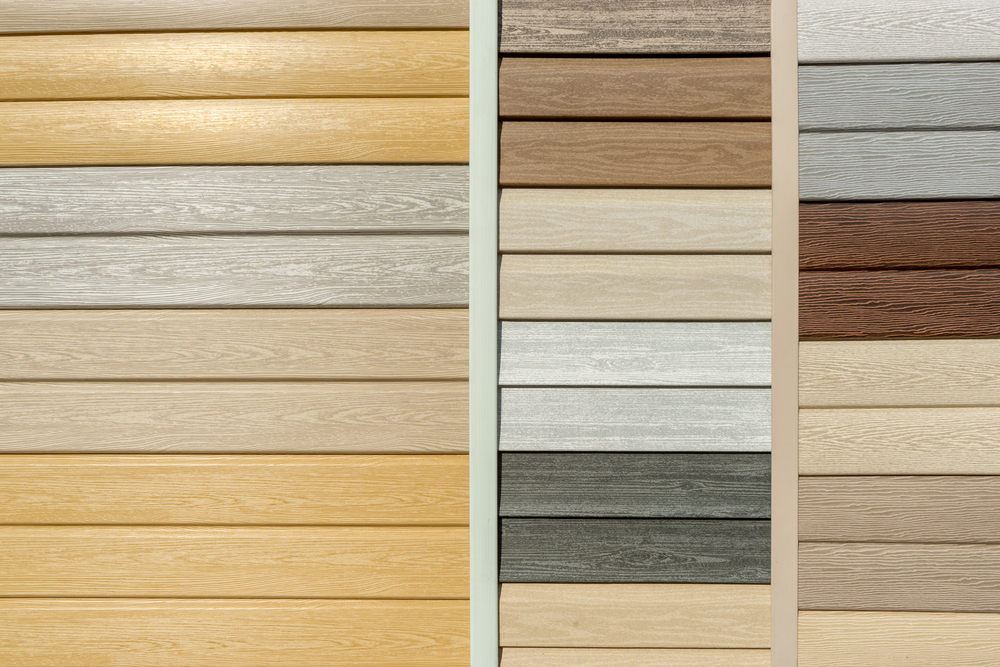
Matching the color of your siding is often more difficult than matching the material. Siding is constantly exposed to sunlight, rain, and temperature changes, all of which can alter its original color.
Factors That Affect Siding Color
- Sun Fading: UV rays are the primary cause of color fading. The sides of your house that receive the most direct sunlight will likely be a lighter shade than the more protected areas.
- Weathering and Age: Over time, dirt, pollen, and pollutants can accumulate on siding, creating a film that dulls the original color. The material itself also ages, which can subtly change its hue.
- Batch Differences: Even if you know the exact color name and manufacturer, there can be slight variations between different production batches. A panel made five years ago might not be an identical match to one produced today.
Practical Steps for Siding Color Matching
Achieving a seamless color blend requires a careful approach. Use these tips to find the best possible match for your existing siding.
Take a Sample Piece with You
The most effective way to match your siding is to have a physical sample. Carefully remove a section of the damaged siding that is at least a few inches long. This sample should be clean and representative of the siding’s current color. Take it with you when you visit suppliers. Comparing a sample directly to new products is far more accurate than relying on memory or a photograph. For more guidance on identifying your existing material, refer to the Identify Your Existing Siding Material section.
Use Modern Color-Matching Tools
Many paint stores and home improvement centers have spectrophotometers, which are devices that can analyze the color of your sample. The tool provides a precise digital reading and can generate a custom paint or stain formula to match it. This is an excellent option if you have paintable siding like wood or fiber cement and can’t find a pre-finished product that matches. Learn more about the reasons for color differences in the Factors That Affect Siding Color section.
Consider the Effects of Weathering
A brand-new siding panel will almost always look brighter and more vibrant than your existing, weathered siding. To create a less noticeable repair, you have a few options:
- Select a slightly lighter shade: If you can’t find a perfect match, choosing a slightly lighter color can be a good strategy. The new panel will eventually fade and weather to blend in more closely with the surrounding siding.
- Use siding from a less visible area: Consider swapping a piece of original siding from a less conspicuous part of your house (like behind a bush or on a back wall) to the repaired area. Then, install the new, slightly mismatched panel in that hidden spot.
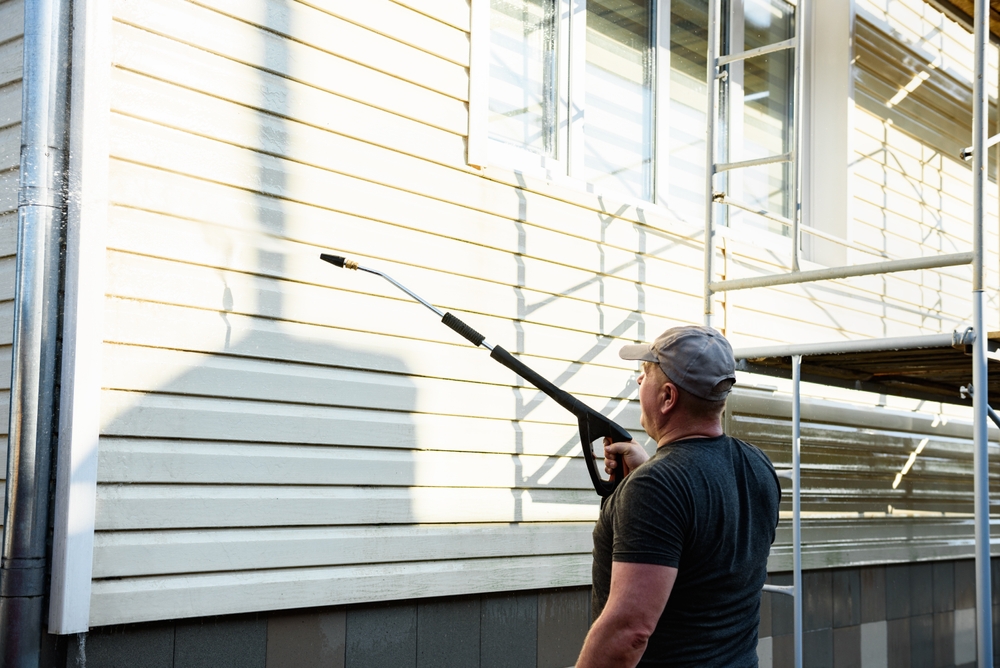
- Clean your existing siding: Before installing the new piece, thoroughly clean the entire wall. This removes years of accumulated dirt and grime, which can significantly brighten the old siding and reduce the color difference.
When to Consult with a Professional
While a small, straightforward repair might be a DIY project, matching siding can be complex. Consulting with a professional siding contractor offers several advantages. Experts have seen it all and can quickly identify materials and their original manufacturers. They have access to a wider range of suppliers and professional-grade color-matching resources.
A professional can also assess the underlying structure to ensure there isn’t more extensive damage that needs addressing. Their experience ensures the replacement panel is installed correctly, preventing future water intrusion and maintaining your home’s warranty and structural integrity.
Ready for a Flawless Repair?
Don’t let damaged siding detract from your home’s beauty and safety. Achieving a perfect match requires careful identification, precise color matching, and an understanding of how materials age. By following these steps, you can ensure your repair is virtually invisible.
If you’re facing a siding challenge and want to guarantee a professional, seamless result, we can help. Our team has the expertise and resources to match your siding material and color perfectly. Contact us today for a consultation on our expert siding repair and replacement services.