Your home protects you from the elements every single day. In Sacramento and the Bay Area, that means standing strong against scorching summer UV rays, winter rainstorms, and the occasional gusty winds that rattle the windows. But just like a car needs oil changes to keep running, your home’s exterior needs regular check-ups to keep performing.
Most homeowners don’t think about their siding until something goes wrong—a piece falls off, a leak appears in the living room ceiling, or a pest control expert points out a termite trail. By that time, the damage is often extensive and expensive. The secret to avoiding these financial headaches is simple: proactive inspection.
Checking your siding twice a year—once in the spring and once in the fall—is the single most effective way to extend the lifespan of your exterior. It allows you to catch small cracks before they become gaping holes and spot water intrusion before it rots your framing.
In this comprehensive guide, we will walk you through exactly how to inspect your siding like a professional. We will cover the tools you need, the specific red flags to look for on different material types, and provide you with a detailed checklist to make the process foolproof.
Why Biannual Inspections Matter in Northern California
You might wonder, “Is checking twice a year really necessary?” In our region, the answer is a resounding yes. Our climate presents a unique “push and pull” on building materials that accelerates wear and tear.
The Summer Expansion
From June to September, Sacramento homes are baked in triple-digit heat. Materials like vinyl and wood expand significantly as they absorb this thermal energy. Caulk lines stretch, paint dries out and cracks, and fasteners are put under tension.
The Winter Contraction and Moisture
When the rainy season hits in late autumn, temperatures drop. Those expanded materials now contract (shrink). This constant movement can break the seal of caulking around windows and doors. If those seals are broken when the atmospheric rivers arrive, water finds its way behind your siding.
By inspecting in the Fall, you are ensuring your home is sealed up tight before the rains begin. By inspecting in the Spring, you are assessing any damage the winter storms might have caused and preparing the exterior for the harsh summer sun.
The Inspection Toolkit: What You Need
You don’t need expensive equipment to perform a thorough inspection, but having the right tools will make the job safer and more effective.
Essential Tools
- High-Powered Flashlight: Even in daylight, you need this to see into corners, behind bushes, and under the eaves. Shadows can hide significant rot.
- Binoculars: Safety first. Binoculars allow you to inspect the second story, gables, and eaves without climbing a ladder.
- Flathead Screwdriver or Awl: This is for the “poke test.” You will use it to gently probe wood siding for soft spots (rot).
- Camera/Smartphone: Document everything. If you find damage, take a photo. This helps you track if a crack is getting bigger over time or provides evidence if you need to hire a professional for siding repair in Sacramento.
- Notepad and Checklist: Use the checklist provided at the end of this article to ensure you don’t miss a spot.
Step-by-Step Inspection Guide
This process should take about 30 to 60 minutes, depending on the size of your home. Start at one corner of the house and work your way around the perimeter systematically.
Step 1: The Ground-Level Walkaround (Distance View)
Start by standing back from your house—about 20 feet or so. You want to see the “big picture.”
- Look for Lines: Are the horizontal lines of your siding straight? If you see a section that looks wavy or bowed, it could indicate that the studs underneath have warped or that the siding was nailed too tightly.
- Color Consistency: Do you see uneven fading? While fading is normal, specific spots of discoloration can indicate water runoff issues (like a dripping gutter) that are staining the wall.
- Green Patches: Look for algae, moss, or mildew. These usually grow on the north side of the house or in shaded areas. While often cosmetic, they retain moisture against the siding, which speeds up deterioration.
Step 2: The Up-Close Inspection (Material Specific)
Now, move in close. You want to be arm’s length from the wall. The signs of damage vary depending on what your house is wearing.
If You Have Vinyl Siding:
Vinyl is durable but brittle.
- Cracks and Holes: Look closely at the bottom third of the panels, where weed whackers and lawnmowers often throw rocks. Even a hairline crack can let water in.
- Loose Panels: Gently push on the panels. They should have a little movement (they “float”), but they shouldn’t flap loosely. If a panel is unhooked, it can blow off in the next windstorm.
- Warping/Melting: If you have a barbecue grill near the house or energy-efficient windows reflecting concentrated sunlight, check for melted or distorted vinyl.
If You Have Wood Siding (Cedar/Redwood):
Wood requires the most vigilance.
- The “Poke Test”: Use your screwdriver to gently press against the bottom edges of the boards. This is where water hangs and rot starts. If the wood feels spongy or the screwdriver sinks in, you have dry rot.
- Peeling Paint: Paint is wood’s sunscreen. If it’s peeling, cracking, or bubbling, the raw wood is exposed to moisture.
- Insect Holes: Look for tiny pinholes (termites) or larger, erratic holes (carpenter bees or woodpeckers). Woodpecker damage is often a sign that there are bugs living inside your wall.
- Cupping: Are the boards curving outward at the edges? This means they are absorbing moisture from the back side, indicating a vapor barrier failure.
If You Have Fiber Cement (James Hardie):
This material is tough, but installation points are vulnerable.
- Fasteners: Look at the nails. Are they flush with the board? If they are over-driven (sunk deep), water can pool in the hole. If they are backing out, the board is loose.
- Cracks: Check for vertical cracks, usually caused by the house settling or improper handling during installation.
- Butt Joints: Look where two boards meet end-to-end. Is there a gap? Is the flashing behind the gap visible and intact? Caulk should not be used at these butt joints for ColorPlus products (unless specified), but flashing must be present.
If You Have Stucco:
- Hairline Cracks: Small cracks (less than 1/16 inch) are normal. Larger cracks need attention.
- Stains: Look for rust stains (wire mesh rusting) or white powdery deposits (efflorescence), which indicate water is moving through the stucco wall.
- Crumbling: Tap the wall gently. If pieces crumble off, the stucco mix is failing.
Step 3: Inspecting Penetrations (Windows, Doors, Vents)
This is the most critical step. 90% of leaks happen where the siding meets something else.
- Caulking: Inspect the sealant around window frames, door frames, dryer vents, and outdoor faucets. Old caulk becomes hard and brittle. If you see gaps or if the caulk is pulling away, it needs to be cut out and replaced immediately.
- Flashing: Look above your windows and doors. Is there a metal strip (Z-flashing) directing water over the siding? If this is missing or bent back towards the wall, water is running behind your siding every time it rains.
- Trim: Check the wood trim around windows. This often rots faster than the siding itself because it catches more water.
Step 4: Don’t Forget the High Spots
Use your binoculars for this part.
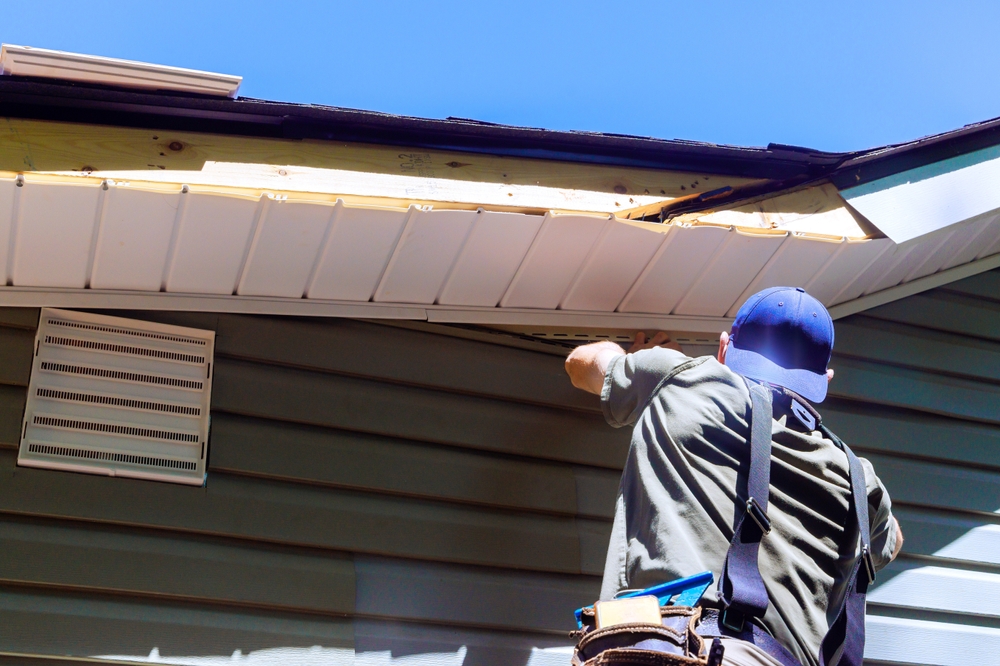
- Fascia and Soffits: Look up at the roof overhang. The soffit (the underside) should be vented. Ensure the vents aren’t clogged with bird nests or paint. The fascia (the board facing out) holds the gutters. Look for rot here, often caused by overflowing gutters.
- Gutter Check: While looking up, check if the gutters are pulling away from the house. If they are loose, water will pour down the siding instead of down the downspout.
Warning Signs That Require Immediate Action
During your inspection, you might find things that fall into the “call a professional immediately” category. Do not ignore these.
- Bulging Siding: If a section of the wall looks swollen, it usually means the sheathing underneath has warped due to severe water damage.
- Interior Mold: If you find a corresponding mold spot on the interior drywall of a room, the exterior leak is active and dangerous.
- Fungal Growth: Mushrooms growing out of your wood siding mean the wood is decaying structurally.
- Significant Pest Infestation: If you see active termites or a bee colony entering the wall, you need pest control and a siding contractor to open the wall and assess structural damage.
If you encounter any of these, contact a trusted contractor for residential siding services. Ignoring these signs can lead to structural failure that costs tens of thousands to fix.
The Seasonal Checklist: Spring vs. Fall
While the inspection process is similar, the focus shifts slightly depending on the season.
The Spring Inspection Checklist (Post-Winter)
Goal: Assess winter damage and prepare for summer heat.
- Check for Storm Damage: Look for loose panels, missing shingles, or dents from falling branches.
- Inspect Gutter Alignment: Ensure winter debris hasn’t weighed down gutters, causing them to detach from the fascia.
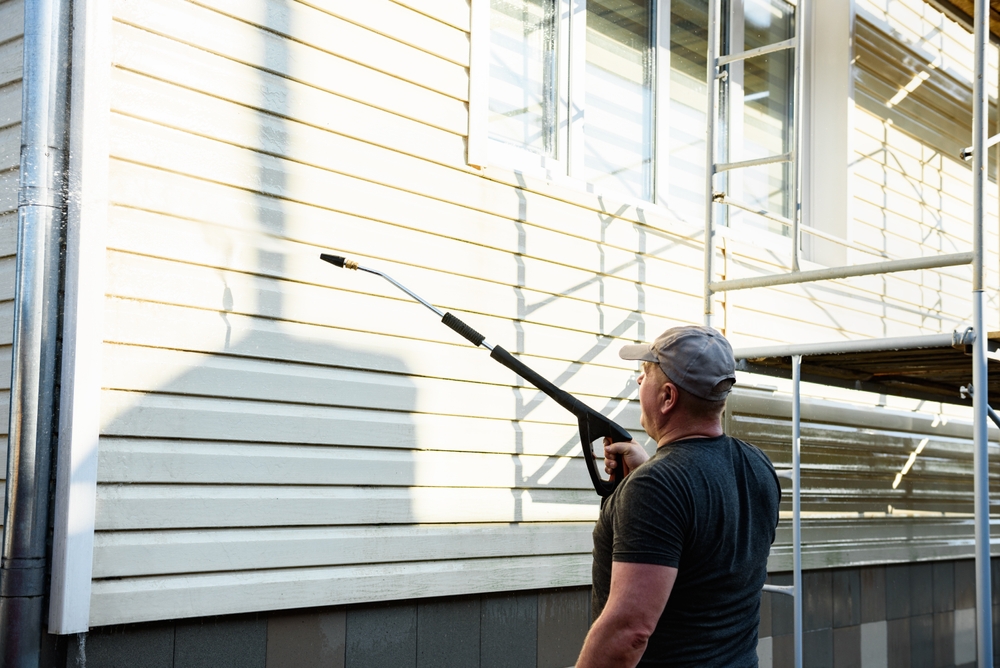
- Clean the Siding: Winter creates a buildup of dirt and grime. Schedule a gentle wash (garden hose and soft brush) to remove mold and mildew before the sun bakes it on.
- Check Vegetation: Spring is when plants grow fast. Trim back all bushes, vines, and tree limbs at least 12-24 inches from the siding to allow airflow and prevent scratching.
- Look for Pests: Spring is nesting season. Check vents and eaves for bird nests or wasp hives.
The Fall Inspection Checklist (Pre-Winter)
Goal: Seal the envelope against moisture.
- Audit the Caulk: This is priority #1. Replace any cracked or missing caulk around windows and doors to keep winter rain out.
- Check Low Spots: Clear piled leaves or mulch away from the bottom of the siding. Wet organic matter against siding is a recipe for rot.
- Inspect Flashing: Ensure all metal flashing is secure. High winds in winter can tear loose flashing off.
- Test Wood Health: Perform the screwdriver “poke test” on wood siding to ensure it’s solid enough to handle the moisture of the coming months.
- Paint Touch-Ups: If you see bare wood, prime and paint it now. You cannot paint effectively once the rains start and the wood gets wet.
Maintaining Your Siding Between Inspections
You’ve done the inspection, now what? A little maintenance goes a long way.
- Keep it Clean: Dust and dirt hold moisture. A simple rinse once a year helps significantly.
- Monitor Sprinklers: Adjust your lawn sprinklers so they don’t hit the house. Constant wetting and drying cycles from a sprinkler will destroy wood and stain stucco/vinyl with hard water deposits.
- Keep Moisture Away: Ensure downspouts extend at least 4-6 feet away from the foundation. Pooling water at the foundation can wick up into the bottom rows of siding.
When to Call in the Pros
Sometimes, an inspection reveals more questions than answers. If you are unsure if a crack is cosmetic or structural, or if you don’t feel safe climbing a ladder to check a suspicious spot, it is time to call in the experts.
A professional inspection can give you peace of mind. Contractors have moisture meters that can detect water behind the wall without removing any siding. They can provide a detailed report on the health of your home’s exterior and give you a prioritized list of repairs.
Remember, siding repair in Sacramento is always cheaper than siding replacement. Catching a problem during your Saturday morning inspection costs you nothing but time. Ignoring it costs your bank account.
Your Printable Siding Inspection Checklist
Copy and print this section to take with you on your inspection.
Visual Overview (Distance Check)
- Straight Lines: Are horizontal rows straight? (Wavy = Warping/Loose)
- Uniform Color: Are there specific stained areas? (Water runoff stains)
- Mold/Algae: Any green or black growth? (Needs cleaning/Moisture issue)
- Soffits/Fascia: Are they intact? Any visible rot or detachment?
Material Specific Checks
Vinyl Siding
- Cracks/Holes: Checked bottom rows for impact damage?
- Secure Fit: Do panels float freely but stay locked?
- Heat Damage: Any melting or distortion?
Wood Siding
- Rot Check: Did you use a screwdriver to probe bottom edges?
- Paint Condition: Is paint peeling, blistering, or cracking?
- Insect Activity: Any small pinholes or sawdust trails?
- Cupping/Warping: Are boards curving outward?
Fiber Cement
- Fasteners: Are nail heads flush? (Not too deep, not sticking out)
- Cracks: Any vertical cracks in the boards?
- Joints: Is flashing visible behind butt joints?
Stucco
- Cracks: Any cracks wider than a credit card edge?
- Stains: Any rust spots or white powder deposits?
- Texture: Is the surface crumbling to the touch?
Critical Penetration Points
- Windows/Doors: Is the caulk soft and pliable? No gaps?
- Flashing: Is the metal drip cap above windows intact?
- Vents/Pipes: Are dryer vents and hose bibs sealed tightly to the wall?
- Trim: Is the wood trim around openings solid and rot-free?
Environmental Factors
- Vegetation: Are bushes/trees trimmed 12″+ away from walls?
- Ground Clearance: Is soil/mulch at least 6″ below the siding start?
- Gutters/Downspouts: Are they secure and directing water away?
- Sprinklers: Are sprinkler heads adjusted away from the house?
Regular inspections are the key to a healthy home. If you find damage that concerns you, or if you need help repairing issues discovered during your check-up, contact the team at Hexteriors for a professional assessment.