After a heavy downpour, it’s natural to feel a sense of relief as the skies clear. But for some homeowners, a walk around their property reveals a troubling sight: siding that is peeling, bubbling, or swollen. These are not just cosmetic issues; they are clear signs that water has breached your home’s protective exterior. This kind of damage indicates that moisture is trapped behind the siding, where it can cause rot, mold, and structural problems that are far more serious than what you see on the surface.
Ignoring these warning signs is a mistake that can cost you thousands in the long run. The appearance of peeling paint, blisters on the surface, or boards that are visibly swollen means the siding is saturated and has failed to do its primary job of shedding water. This is a critical issue for any home, especially in Northern California, where seasonal rains can be intense. Understanding why this happens and what steps to take is essential for protecting your home’s value and integrity.
This guide will explain the common reasons your siding might peel, bubble, or swell after heavy rain. We will explore how different siding materials react to moisture and outline the professional repair process required to fix the damage correctly. The solution is rarely a quick patch-up; it involves identifying the root cause of water intrusion and ensuring your home is properly sealed against future storms.
Why Rain Is the Ultimate Test for Your Siding
Your siding is constantly exposed to the elements, but heavy rain is its most significant challenge. A properly installed siding system is designed to work with a weather-resistant barrier (WRB) and flashing to create a waterproof envelope. Rainwater should flow harmlessly from the roof, down the face of the siding, and away from the foundation. However, when there are weaknesses in this system, heavy or wind-driven rain will exploit them.
The Role of Water Intrusion
Peeling, bubbling, and swelling are all symptoms of the same core problem: water getting behind the siding and being unable to escape. This trapped moisture saturates the siding material itself and the underlying wall sheathing.
- Peeling: On painted siding, like wood or fiber cement, trapped moisture vaporizes when heated by the sun. This vapor pushes outward, breaking the bond between the paint and the siding surface, causing it to peel, flake, or chip.
- Bubbling or Blistering: This is also caused by moisture escaping. Water trapped behind the paint or within the siding material itself heats up and expands, creating bubbles or blisters on the surface.
- Swelling: Porous materials, particularly wood and some older composite sidings, will physically absorb water. As they become saturated, the fibers expand, causing the boards to swell, warp, or bow.
Finding the source of the water intrusion is the first step in any effective siding repair after rain. The problem isn’t just the rain itself, but the pathway it found to get inside your walls.
Common Causes of Siding Damage After a Storm
Several factors can lead to siding failure during heavy rain. Often, it’s a combination of aging materials, installation errors, and physical damage. Identifying the specific cause is crucial for a lasting repair.
1. Compromised Paint and Sealant
For wood and fiber cement siding, paint is more than just for looks—it’s a critical layer of protection. When the paint layer is old, cracked, or has been scraped, it allows water to penetrate the siding material.
- Why It Fails: Over time, exposure to UV rays and temperature changes breaks down the paint’s protective qualities. If the siding isn’t repainted on a regular schedule, it becomes vulnerable. The same applies to caulk around windows, doors, and trim, which can crack and create entry points for water.
- What to Look For: Visible cracking, chipping, or alligatoring (a pattern of fine cracks) on the paint surface. Pay close attention to areas that receive a lot of sun or are frequently exposed to water, such as near sprinklers.
2. Physical Damage Exposing the Core Material
A small crack or hole in a siding panel can seem minor, but it’s a direct route for rainwater. Damage can come from many sources: hail, wind-blown debris, a poorly aimed baseball, or even leaning ladders against the house.
- Why It Fails: Once the protective outer layer of the siding is breached, water can access the more absorbent core material. During heavy rain, a significant amount of water can be forced through these openings, saturating the panel and the sheathing behind it.
- What to Look For: Obvious cracks, chips, holes, or deep gouges. Even hairline cracks can widen over time and should be addressed promptly by a professional service for siding repair in Sacramento.
3. Improper Siding Installation
This is one of the most common and frustrating causes of siding failure. Even the best materials will fail if not installed correctly. Sacramento siding experts know that proper installation is key to weather resistance.
- Common Installation Errors:
- Incorrect Nailing: Nailing siding too tightly restricts its ability to expand and contract with temperature changes, which can lead to warping or cracking. Loose nails can allow panels to shift, creating gaps.
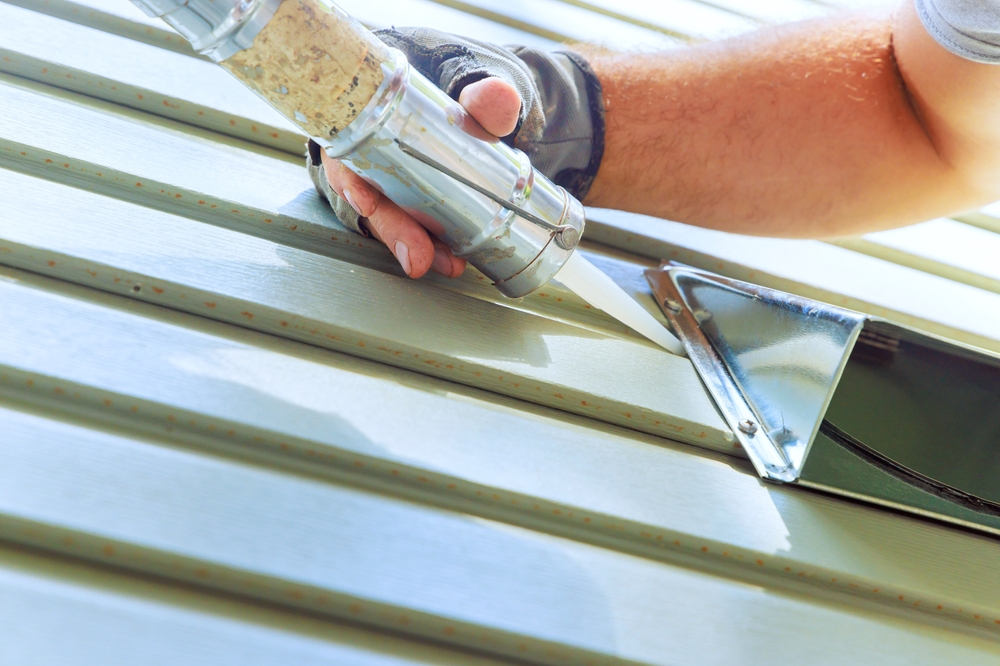
- Inadequate Flashing: Flashing is essential at all junctures—windows, doors, rooflines, and corners. If flashing is missing, damaged, or installed incorrectly, it will channel water behind the siding instead of over it.
- No Clearance: Siding needs to have a small gap between its bottom edge and any horizontal surfaces (like a deck or roofline) to prevent it from wicking up moisture. Failure to provide this clearance can lead to saturation and rot.
- What to Look For: Siding that is wavy, buckled, or loose. Look for signs of water stains originating from windows or where roofs meet walls, as this often points to a flashing issue.
4. Clogged or Damaged Gutters
Your gutter system plays a vital role in protecting your siding. When it’s not functioning correctly, it can dump massive amounts of water directly onto your walls.
- Why It Fails: Gutters filled with leaves and debris will overflow during heavy rain. This creates a waterfall effect, constantly soaking the siding below. This overwhelming amount of water can easily find its way into any small crack or seam. Downspouts that are broken or aimed at the base of the house also cause concentrated water exposure.
- What to Look For: Water spilling over the edges of your gutters during rain. You may also see “tiger stripes” or dark stains on the fascia boards and siding directly below the gutters.
How Different Siding Materials React to Moisture
The type of siding on your home will determine how it shows signs of water damage. Understanding these differences can help you spot problems early.
Wood Siding (Cedar, Pine, Redwood)
Wood siding is beautiful but highly susceptible to moisture if its protective finish fails.
- Symptoms: After heavy rain, you are most likely to see peeling siding solutions become a necessity as the paint lifts off the saturated wood. The boards themselves can swell, warp, split, or feel soft and spongy to the touch, which is a sign of rot.
- Underlying Issue: Wood is a porous, organic material. Once water gets past the paint or stain, the wood fibers absorb it like a sponge. This leads to the physical swelling and provides the perfect conditions for rot and fungal growth.
Fiber Cement Siding (James Hardie)
Fiber cement is a durable, rot-resistant material composed of cement, sand, and cellulose fibers. It holds paint well and is designed for longevity.
- Symptoms: While the core material is highly water-resistant, you may still see peeling or bubbling paint if moisture gets trapped behind it. This is almost always due to water intrusion at the seams (butt joints), around trim, or from installation errors. The siding panels themselves will not swell or rot like wood, but the underlying wood sheathing is still at risk.
- Underlying Issue: The problem is rarely the fiber cement itself, but rather a failure in the system—improper caulking at joints, damaged flashing, or lack of clearance. These issues allow water to get behind the siding, and when the sun hits the wall, the evaporating moisture pushes the paint off. A professional siding installation is crucial for this material.
Vinyl Siding
Vinyl siding does not peel or swell in the same way as wood or fiber cement because it is a non-porous plastic. However, it can still show signs of water intrusion problems.
- Symptoms: You won’t see peeling paint (unless it’s a painted-over vinyl), but you may notice panels that are warped, buckled, or appear distorted. This can happen if water gets trapped behind the siding and the panels are heated by the sun. You might also notice mold or mildew growing in the seams or weep holes at the bottom of the panels.
- Underlying Issue: Vinyl siding is designed as a “rainscreen,” meaning it’s not perfectly sealed. It’s expected that some water will get behind it, which is why the wall must have a properly installed weather-resistant barrier. Problems arise when water gets trapped and cannot drain out, often due to clogged weep holes or improper installation that restricts drainage.
The Risks of Ignoring Peeling, Bubbling, or Swollen Siding
These visible signs of damage are just the tip of the iceberg. The real danger lies in what’s happening underneath. Delaying repairs can lead to a cascade of expensive and hazardous problems.
1. Structural Rot
The sheathing and wooden frame of your house are the most at-risk components. When the siding is saturated, this moisture transfers directly to the wood structure.
- Dry Rot: This fungus consumes the cellulose in wood, leaving it brittle and weak. It can spread quickly through a wall cavity, severely compromising the structural integrity of your home.
- Expensive Repairs: Fixing rotted sheathing and wall studs is an invasive and costly project. It requires removing both the siding and the interior drywall to replace the damaged framing.
2. Mold and Mildew Contamination
The dark, damp space behind your siding is an ideal environment for mold growth.
- Health Hazards: Mold releases spores into the air that can infiltrate your home, causing allergies, asthma, and other serious respiratory issues, particularly for children and the elderly.
- Difficult Remediation: Once a mold colony is established, it can be difficult and expensive to remove completely. Professional mold remediation is often necessary to ensure the home is safe to live in. A musty smell inside your house is a strong indicator of a hidden mold problem.
3. Pest Infestations
Water-damaged wood is an open invitation for destructive pests.
- Termites and Carpenter Ants: These insects are drawn to soft, damp wood. A siding leak can create the perfect entry point and nesting area for a colony, which can then spread throughout your home’s structure, causing immense damage.
4. Decreased Property Value and Curb Appeal
Peeling, bubbling, and swollen siding is unattractive and significantly detracts from your home’s curb appeal. More importantly, it’s a red flag to potential buyers and home inspectors, indicating underlying problems and deferred maintenance that can lower your property’s value.
Professional Repair: The Only Way to Fix Water-Damaged Siding
When you see signs of moisture damage on your siding, a DIY approach of scraping and repainting is not enough. This only hides the symptom and allows the underlying damage to continue. A professional siding repair after rain involves a systematic approach to ensure a permanent fix.
Step 1: A Comprehensive Damage Assessment
A qualified siding contractor will start with a thorough inspection to understand the full scope of the problem.
- Finding the Source: The priority is to identify exactly how and where water is getting in. This may involve a visual inspection of all flashing, caulking, and seams, and potentially using tools like an infrared camera or moisture meter to trace the path of the water.
- Evaluating the Extent: The contractor will determine how far the damage extends. This might mean removing a section of the damaged siding to inspect the weather-resistant barrier (WRB) and sheathing beneath.
Step 2: Removing All Damaged Materials
All compromised materials must be completely removed to stop the progression of rot and mold.
- Siding and Trim: Any peeling, swollen, or rotted siding panels and trim boards will be carefully taken off.
- Sheathing: The underlying sheathing will be inspected. Any sections that are soft, delaminated, or show signs of mold must be cut out and replaced with new, solid material.
- Framing and Insulation: If the rot has reached the wall studs, those sections will also be replaced to restore structural integrity. Wet, compressed insulation will be removed and replaced with new, dry insulation.
Step 3: Correcting the Root Cause of the Leak
This is the most critical part of the repair. Simply replacing the damaged components without fixing the original leak means the problem will just happen again.
- Flashing Replacement: If faulty flashing was the cause, the old material will be removed, and new, properly integrated flashing will be installed around windows, doors, and rooflines.
- Weather-Resistant Barrier (WRB) Repair: Any tears, holes, or improperly lapped sections of the WRB will be repaired or replaced to ensure a continuous water-resistant layer.
- Addressing System Flaws: If the issue was clogged gutters, they will need to be cleaned and potentially repaired. If it was a lack of ground clearance, the new siding will be installed at the correct height.
Step 4: Installing New Siding and Finishing
Once the underlying wall is sound, dry, and properly protected, the new siding can be installed.
- Material Matching: A professional will source siding that matches your existing material, color, and texture as closely as possible for a seamless repair.
- Expert Installation: The new siding will be installed according to the manufacturer’s specific guidelines, ensuring proper nailing, gapping, and overlap.
- Painting and Sealing: The repaired area will be caulked, primed, and painted to blend perfectly with the rest of the house, restoring its protective finish and curb appeal.
Trust Hexteriors to Protect Your Home from Water Damage
Seeing your siding peel, bubble, or swell after a storm is alarming. It’s a clear signal that your home’s primary defense against the elements has been compromised. At Hexteriors, we are Sacramento siding experts who specialize in diagnosing and permanently resolving issues related to water intrusion. We understand the specific challenges that Northern California weather presents and have the expertise to provide lasting peeling siding solutions.
Our in-house team of skilled professionals doesn’t just patch the problem; we investigate the root cause and rebuild the entire wall system correctly, from the framing to the final coat of paint. We work with all types of siding, including wood, vinyl, and as a James Hardie Elite Preferred Contractor, we are masters of fiber cement systems. When you choose Hexteriors for your siding repair in Sacramento, you are choosing a team dedicated to quality craftsmanship and protecting your home for the long term.
Don’t let water damage compromise the safety and value of your home. If you’ve noticed problems with your siding after the recent rains, contact Hexteriors today for a comprehensive inspection and a free, no-obligation estimate.