The San Francisco Bay Area is renowned for its stunning microclimates, from the foggy hills of Daly City to the sunny shores of Marin. While this dynamic weather makes for beautiful landscapes and comfortable living, it presents a relentless challenge for homeowners. Specifically, the very thing that defines our region—coastal moisture—is silently waging war on your home’s exterior.
Unlike the dry heat of the Central Valley or the snow of the Sierras, the Bay Area’s climate issues are subtle, constant, and corrosive. You might not see the damage happening day by day, but over years, the combination of salt air, persistent fog, and fluctuating humidity can compromise your home’s envelope.
In this guide, we will dive deep into the specific ways coastal moisture impacts siding, why standard materials often fail in our region, and what you can do to protect your home from the elements.
The Unique Chemistry of Bay Area Weather
To understand why your siding is deteriorating, you first need to understand the unique atmospheric cocktail found in the Bay Area. It isn’t just “wetness.” Rain is actually less of a concern here than the daily cycles of moisture that never truly dry out.
The Salt Air Factor
If you live anywhere near the bay or the ocean—whether in Pacifica, Alameda, or Richmond—your home is exposed to saline aerosols. Salt is hygroscopic, meaning it attracts and holds water. When salt spray lands on your siding, it doesn’t just sit there; it actively pulls moisture from the air against the surface of your home.
This creates two major problems:
- Corrosion: Salt accelerates the oxidation of metals. If you have aluminum siding, or even just aluminum nails and flashing used on wood siding, the salt air will corrode them significantly faster than in inland areas.
- Chemical Breakdown: Salt crystals can penetrate porous materials like wood and older stucco. As the water evaporates, the salt crystallizes and expands, causing microscopic fractures that grow over time.
The Marine Layer (Fog)
The iconic “Karl the Fog” is a dense, low-lying cloud that blankets the region, often for hours at a time. Unlike rain, which falls vertically and runs off, fog hangs in the air. It saturates everything from all angles, seeping into cracks, under eaves, and into vents that rain might never reach.
This constant saturation prevents siding from ever fully drying out during certain seasons. Wood that stays damp is a breeding ground for fungi, mold, and rot.
High Humidity Fluctuations
Even on sunny days, the humidity in the Bay Area can swing drastically as the marine layer pushes in and out. Siding materials expand when they absorb moisture and contract when they dry. This constant movement—expansion and contraction—stresses the joints, fasteners, and sealants that hold your siding system together.
How Different Siding Materials React to Coastal Conditions
Not all siding is created equal, and materials that work perfectly fine in Sacramento or San Jose might fail prematurely in San Francisco or Sausalito.
Wood Siding: A High-Maintenance Beauty
Wood shingles and clapboard are traditional favorites in the Bay Area, offering a classic aesthetic. However, wood is organic and highly porous.
- Rot and Decay: Without a perfect seal, moisture from fog penetrates the wood fibers. Once inside, it feeds dry rot fungus, turning sturdy beams into dust.
- Paint Failure: Moisture trying to escape from inside the wood pushes against the paint from behind, causing bubbling and peeling. In coastal areas, paint jobs that should last 10 years often fail in 5.
- Warping: The uneven drying caused by fog (wet on the bottom, dry on top) causes boards to cup, twist, and pull away from the wall.
Stucco: The Cracking Problem
Stucco is popular for its fire resistance, but it is rigid.
- Moisture Intrusion: Stucco is porous. If the waterproof barrier behind it (the lath and paper) is compromised by salt corrosion, water gets trapped against the framing.
- Spalling: As mentioned earlier, salt crystallization inside the stucco can cause the surface to flake off (spall), leaving ugly patches and exposing the interior structure.
Vinyl: The Brittle Barrier
Vinyl is plastic, so it doesn’t rot. However, it has its own issues in coastal climates.
- Wind Damage: Coastal areas are often windy. Cheap vinyl can rattle, crack, or even be ripped off in high gusts if it becomes brittle over time.
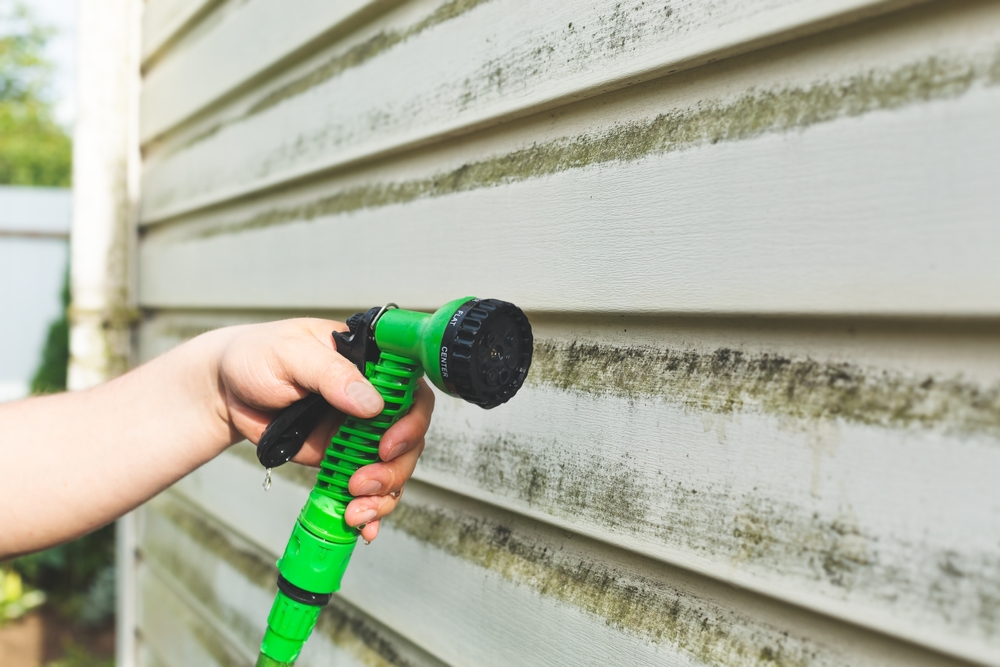
- Mold Growth: Because vinyl traps moisture behind it if not installed with a rain screen, the condensation from the fog can get stuck between the vinyl and the house wrap, creating a hidden mold farm.
Metal Siding: The Rust Risk
Steel or aluminum siding might seem durable, but in a salt-air environment, they are prone to galvanic corrosion. Unless coated with high-performance, marine-grade finishes, the cut edges and fastener holes will begin to rust, leading to unsightly streaks and eventual failure.
The Hidden Dangers of Moisture Intrusion
Why should you care if your siding has a few cracks or some peeling paint? Because siding is just the skin of your house. When the skin is broken, the infection goes deep.
Dry Rot in Structural Framing
We frequently see homes where the siding looks “okay” from the street, but underneath, the structural studs are rotting away. This is often due to slow leaks around windows or trim where fog condensation collects and drips down inside the wall cavity.
If you suspect you might have underlying issues, it is often more cost-effective to address them immediately with targeted repairs rather than waiting for a structural failure. Our team specializes in diagnosing these exact issues—learn more about our approach to Siding Repair Sacramento and the surrounding Bay Area regions.
Mold and Indoor Air Quality
When moisture penetrates the siding and hits the insulation, it creates the perfect environment for black mold. This doesn’t just damage the house; it impacts your health. Spores can travel through electrical outlets and vents into your living space, triggering allergies and respiratory issues.
Pest Infestations
Damp wood is like a beacon for termites and carpenter ants. They don’t eat dry, hard wood; they eat soft, moist wood. By allowing your siding to remain compromised, you are essentially setting a dinner table for pests.
Preventing Coastal Damage: Maintenance Tips
Living on the coast requires a proactive approach to home maintenance. You cannot simply install siding and forget about it for 20 years.
1. Annual Wash-Downs
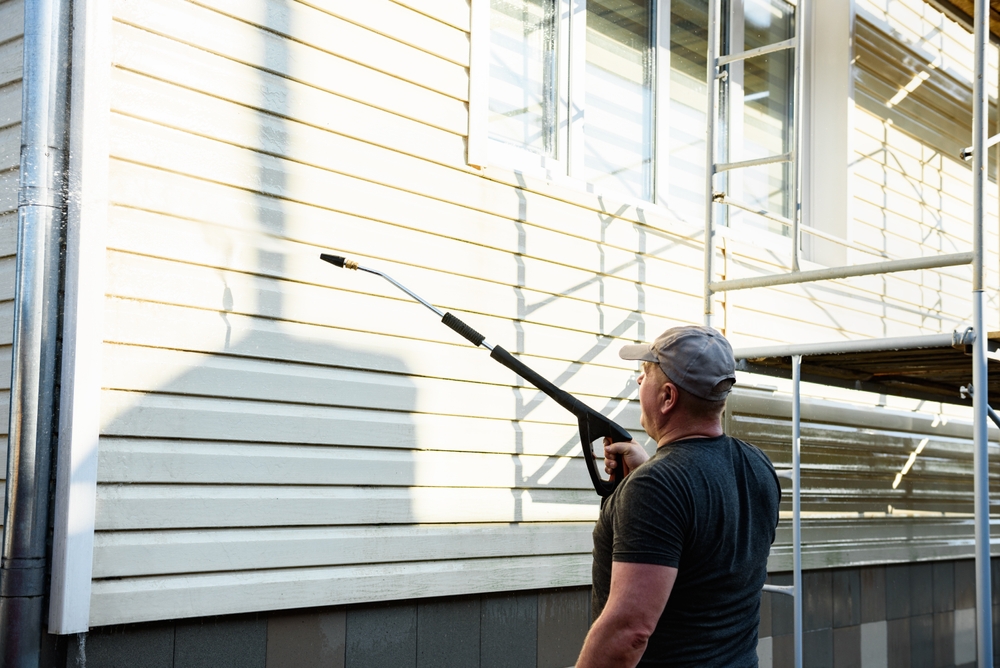
This is the most critical step. You must wash the salt off your house. Use a garden hose (not a high-pressure washer, which can drive water behind the siding) to rinse your home’s exterior at least twice a year. This removes the salt deposits that cause corrosion and chemical breakdown.
2. Check Caulk and Sealants
Inspect the caulking around your windows, doors, and trim annually. The UV light and salt air degrade caulk faster here than inland. If you see cracks or separation, remove the old caulk and re-seal it immediately to prevent fog intrusion.
3. Keep Vegetation Back
In the lush Bay Area climate, plants grow fast. Keep bushes, vines, and tree branches at least 12-18 inches away from your siding. Plants trap moisture against the house and prevent airflow, ensuring that the siding never dries out.
4. Monitor Paint Condition
Don’t wait until paint is peeling in sheets to repaint. Paint is the primary shield for wood and fiber cement. If you see chalking or thin spots, it’s time for a touch-up or a fresh coat.
The Solution: Engineered Materials
Given the harsh reality of the Bay Area climate, many homeowners are moving away from traditional wood and cheap vinyl toward engineered solutions designed to withstand these specific conditions.
The gold standard for coastal durability is Fiber Cement Siding.
Fiber cement is a composite material made of cement, sand, and cellulose fibers. It offers distinct advantages for coastal homes:
- Moisture Resistant: It does not absorb water like wood, meaning it won’t rot, warp, or swell even in heavy fog.
- Salt Resistant: Cement is not affected by salt spray in the same way wood or metal is.
- Pest Proof: Termites and woodpeckers cannot damage it.
- Fire Resistant: A major bonus for areas in the Wildland-Urban Interface (WUI).
Specifically, products like James Hardie Siding are engineered with “Climate zones” in mind. The formulation used for the Bay Area is designed specifically to resist wet, freezing, and humid conditions. It holds paint significantly longer than wood because it is dimensionally stable—it doesn’t expand and contract, so the paint bond isn’t stressed.
Upgrading Your Flashing and House Wrap
When replacing siding in the Bay Area, the material you choose is only half the battle. The installation method is equally important.
Rain Screens
We highly recommend installing a “rain screen” system for coastal homes. This involves placing thin furring strips behind the siding to create a small air gap between the siding and the waterproof barrier. This gap allows:
- Drainage: Any water that gets behind the siding can drain out the bottom.
- Airflow: Air can circulate behind the siding, keeping the wall assembly dry and preventing mold growth.
Stainless Steel Fasteners
Never use galvanized nails in a coastal environment; they will eventually rust. Stainless steel fasteners are mandatory for longevity within 5-10 miles of the ocean.
High-Quality Weather Barriers
Standard house wrap might not be enough. Hydro-gap wraps or fluid-applied membranes provide a superior seal against the microscopic moisture particles found in fog.
Conclusion: Protect Your Coastal Investment
Your Bay Area home is likely your most valuable asset. While the coastal location offers an unbeatable lifestyle, it requires vigilance to maintain. The moisture, salt, and fog are relentless, but with the right materials and maintenance, your home can stand strong against the elements.
Don’t let the silent creep of coastal moisture undermine your property value. If you notice signs of warping, peeling, or rot, take action now. Assessing the health of your exterior is the first step toward a dry, secure, and beautiful home.
Whether you need a full replacement with durable fiber cement or targeted repairs to fix fog-related rot, understanding the environment is key to a lasting solution.
Is the Bay Area fog taking a toll on your home? Contact Hexteriors today for a professional siding assessment.