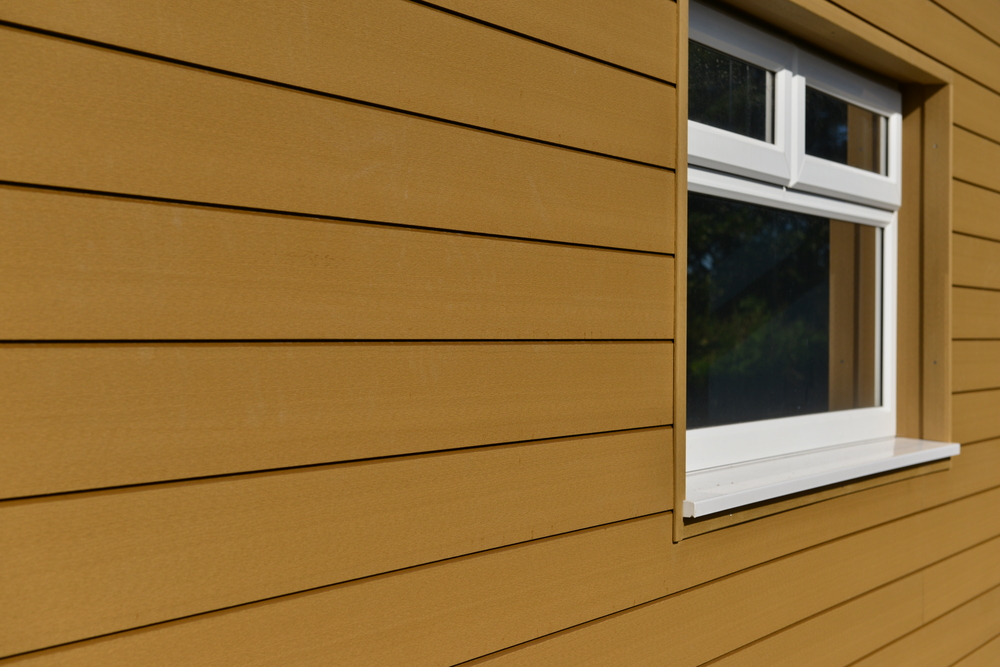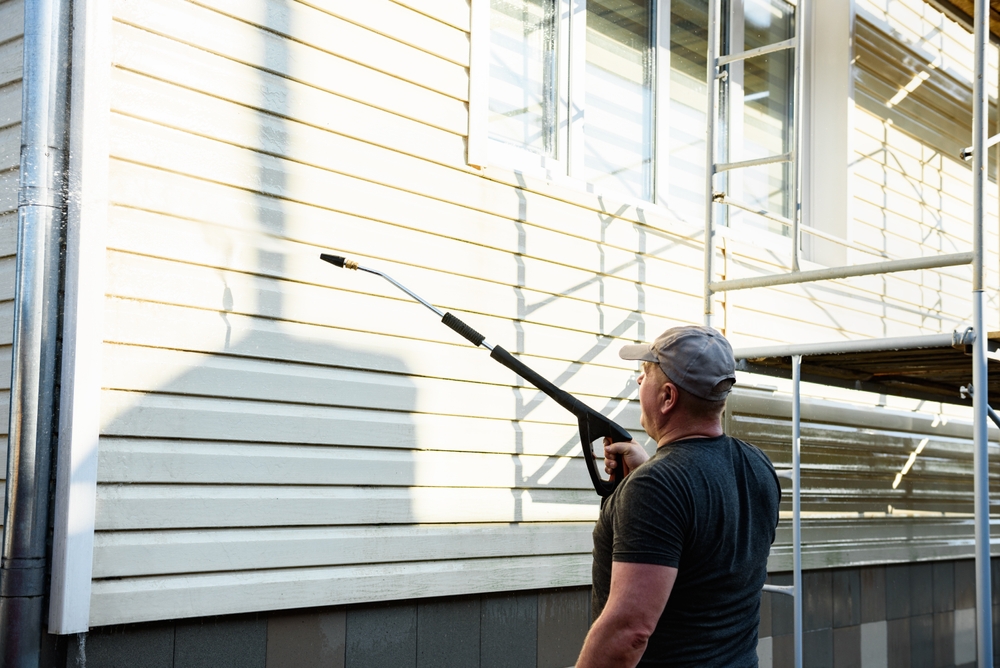
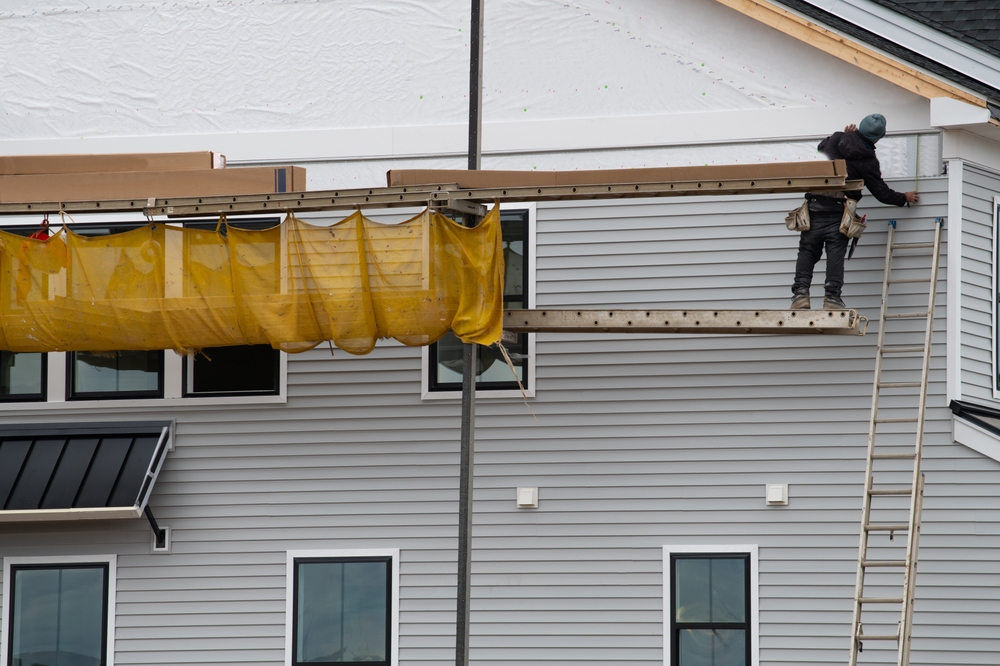
There is a certain charm to wood siding that no synthetic material can quite replicate. It has warmth, texture, and a classic appeal that fits perfectly with the architectural styles found throughout Sacramento and the Bay Area. But that natural beauty comes with a significant trade-off: to you, it’s a home; to nature, it’s food.
Wood is organic matter. In the forest, its job is to decompose and feed the ecosystem. When we bolt it to the side of our houses, we are fighting a constant battle against the creatures whose biological imperative is to break it down. From the silent, subterranean destruction of termites to the rhythmic drumming of woodpeckers, pests are the single biggest threat to the longevity of wood siding.
The damage often starts small—a tiny hole here, a pile of sawdust there. It is easy to brush off as “just a little wear and tear.” But beneath the surface, colonies may be thriving, hollowing out your home’s structural integrity one bite at a time. By the time you see the problem, the repair bill can be astronomical.
In this comprehensive guide, we will turn you into a pest detective. We will explore exactly how different pests attack wood siding, how to spot the early warning signs, and most importantly, the specific repair techniques that work best to restore your home. Whether you are dealing with a current infestation or looking to fortify your home against future invaders, this is your complete manual for protecting your wood siding.
The Suspects: Identifying Who Is Eating Your House
Effective repair starts with accurate identification. You cannot fix the problem if you don’t know what caused it, because different pests require different remediation strategies before you even touch a hammer.
1. Termites: The Silent Destroyers
In Northern California, we primarily deal with Subterranean and Drywood termites. They are the most feared for a reason—they eat the wood from the inside out.
- The Damage: You often won’t see the bugs themselves. Look for “mud tubes” (pencil-sized tunnels made of soil and wood) running up your foundation. On the siding itself, the wood might look blistered or darkened. If you tap it with a screwdriver handle, it sounds hollow.
- The Risk: Termites don’t stop at the siding. They will tunnel through the sheathing and into the structural studs. If you find termite damage on your siding, assume the framing behind it is compromised until proven otherwise.
2. Carpenter Ants: The Excavators
Unlike termites, carpenter ants don’t eat wood; they live in it. They excavate galleries to build their nests.
- The Damage: Look for piles of “frass” (fine sawdust) near the base of the wall. This is the debris they kick out of their tunnels. The wood itself is often moist or already slightly rotting, as they prefer soft timber.
- The Risk: They weaken the wood significantly. While not as fast-acting as termites, a large colony can compromise a wall over several years.
3. Carpenter Bees: The Drillers
These solitary bees look like large bumblebees. They bore perfectly round holes, about half an inch in diameter, usually into the underside of trim, fascia boards, or soffits.
- The Damage: The entry hole is neat and clean, almost like it was drilled with a power tool. Inside, they tunnel at right angles, creating long chambers for their larvae.
- The Risk: The holes let water deep into the wood. Plus, woodpeckers love carpenter bee larvae and will tear the wood apart to get to them.
4. Woodpeckers: The Noisy Neighbors
Woodpeckers don’t eat wood; they hammer on it for three reasons: to drum (communicate), to create nesting cavities, or to find food (insects inside the wood).
- The Damage: The damage is obvious and messy. You will see deep, irregular gouges, rows of small holes, or massive cavities where they have shredded the siding.
- The Risk: If a woodpecker is tearing up your siding, it is almost a guarantee that you have an insect infestation (like carpenter bees or beetles) that they are hunting. You have two pest problems, not just one.
5. Powderpost Beetles: The Interior Threats
These tiny beetles lay eggs in the pores of wood. The larvae bore into the wood and stay there for months or years, eating their way out.
- The Damage: Look for “shot holes”—tiny round exit holes about the size of a pinhead—clustered together. You might see very fine, flour-like powder around the holes.
- The Risk: They can turn a solid board into a crumbling sponge over time. They are particularly fond of unpainted or unfinished wood.
Why Wood Siding Attracts Pests
Pests are opportunists. They don’t attack random houses; they attack houses that offer easy access and favorable conditions. Understanding these triggers is key to prevention.
Moisture is Magnet #1
This is the golden rule of pest control: Wet wood attracts bugs. Termites, carpenter ants, and rot fungi all require moisture to thrive. If your siding is constantly damp due to leaking gutters, sprinklers hitting the wall, or lack of sunlight, it becomes a beacon for pests. Dry, sound wood is much harder for them to penetrate.
Wood-to-Ground Contact
Siding should never touch the dirt. Building codes require a clearance of at least 6 inches between the siding and the soil. When wood touches the ground, it acts as a highway for subterranean termites to enter directly without building mud tubes. It also wicks up moisture from the soil, creating that perfect wet environment pests love.
Cracks and Gaps
Unsealed joints, checked (cracked) paint, and gaps around windows are open doors. A queen ant needs only a tiny crevice to enter and start a colony. Once inside the protective shell of the paint, they are safe from predators and weather.
Soft or Untreated Wood
Certain woods, like cedar and redwood, have natural tannins that repel bugs. However, as these woods age and weather, those natural oils dry out, leaving them vulnerable. Cheaper softwoods like pine, if not pressure-treated or kept meticulously painted, are essentially fast food for insects.
Step 1: Confirming and Treating the Infestation
Before you pick up a saw to repair the damage, you must ensure the enemy is defeated. Never repair pest-damaged wood without treating the infestation first. If you cover up live termites with a new board, they will just eat the new board too.
Professional Inspection
If you suspect termites or have widespread damage, call a licensed pest control professional. They have the tools (thermal imaging, moisture meters) to detect activity inside the walls. For termites, professional baiting or trenching treatment is non-negotiable.
DIY Treatment for Surface Pests
For localized issues like carpenter bees or ants:
- Insecticide Dust: For carpenter bees and ants, puffing insecticidal dust (like boric acid or specialized chemical dusts) into the holes is effective. The pests walk through it and track it into the nest.
- Liquid Treatments: Borate-based sprays (like Bora-Care) penetrate the wood and make it inedible to insects. This is excellent for preventing re-infestation on bare wood before you repaint.
Step 2: Assessing the Scope of Repair
Once the bugs are dead, you need to decide how deep the surgery needs to go.
The “Screwdriver Test”
Take a screwdriver and firmly probe the damaged area.
- Solid: If the tip doesn’t sink in, the damage is superficial. You can patch it.
- Spongy: If the wood feels soft or crumbles, the damage is internal. You need to cut it out.
- Hollow: If the tool punches right through, you have severe structural issues.
Checking the Sheathing
If you remove a piece of siding and see damage on the black paper (building felt) or plywood underneath, stop. You need to inspect the framing. Pests often use the space between the siding and the insulation as a superhighway. If the sheathing is compromised, the repair job just got bigger, but catching it now saves your wall from collapsing later.
If you are unsure about the extent of the damage, this is the time to bring in a siding specialist. We can open up the wall carefully to assess the structural integrity without causing unnecessary destruction. Check oursiding repair services for professional help.
Step 3: Repair Techniques for Wood Siding
Depending on the severity, here are the best ways to fix the wood.
Technique A: The Epoxy Patch (For Small Holes & Gouges)
Best for: Carpenter bee holes, woodpecker pecks, and minor surface rot where the board is still structurally sound.
Materials: Two-part wood epoxy (like Abatron WoodEpox), putty knife, sandpaper, primer, paint.
- Clean the Void: Use a drill or chisel to remove any loose, rot-softened wood or debris from the hole. The epoxy needs clean, solid wood to bond to.
- Apply Hardener (Optional): Some systems come with a liquid wood hardener. Brush this into the hole to solidify the remaining fibers.
- Mix the Epoxy: Knead the two parts (resin and hardener) together until the color is uniform. It should feel like modeling clay.
- Fill and Overfill: Press the epoxy firmly into the hole. Leave it slightly mounded above the surface, as you will sand it flush later.
- Sculpt: If the siding has a wood grain, use a tool or a stiff brush to texture the wet epoxy so it matches the surrounding board.
- Sand and Finish: Once cured (usually 24 hours), sand it smooth, prime it with high-quality oil-based primer, and paint.
Pro Tip: Do not use standard wood putty or Bondo. They shrink and crack outdoors. Quality structural epoxy expands and contracts with the wood.
Technique B: The “Dutchman” Patch (For Larger Sections)
Best for: A localized area of rot or damage on a single board, where replacing the whole board is difficult.
Materials: Matching wood stock, oscillating multi-tool or chisel, wood glue, waterproof polyurethane glue.
- Mark the Cut: Draw a square or rectangle around the damaged area.
- Cut the Pocket: Use a sharp chisel or router to cut out the damaged wood, creating a flat-bottomed recess. Don’t go all the way through the board if possible; just remove the face.
- Cut the Plug: Cut a new piece of wood to fit the recess exactly. The grain direction must match the existing board.
- Glue and Insert: Apply waterproof wood glue to the back and sides of the plug. Tap it gently into the recess.
- Plane and Sand: Once the glue dries, plane or sand the plug until it is perfectly flush with the siding.
- Prime and Paint: Seal it thoroughly.
Technique C: Board Replacement (The Gold Standard)
Best for: Termite damage, extensive rot, or split boards. When a board is compromised more than 20-30%, replace it.
Materials: Replacement siding (matched profile), pry bar, circular saw, nails, caulking.
- Locate Studs: Mark where the studs are so you know where to nail later.
- Cut the Nails: Siding is usually nailed at the top and bottom. For lap siding, the nails from the board above go through the top of the board you are removing. You may need to gently pry up the board above and use a hacksaw blade to cut those nails.
- Remove the Board: Pry the damaged board off. Be careful not to damage the building paper underneath.
- Inspect Behind: This is your chance to look at the sheathing. If it looks chewed up, replace that section too.
- Install New Board: Cut the new board to length. Slide it up under the board above.
- Fasten: Use hot-dipped galvanized or stainless steel ring-shank nails. Drive them flush but not deep.
- Caulk Butt Joints: If the board meets another board end-to-end, leave a 1/8″ gap and fill it with high-quality elastomeric caulk. Do not caulk the bottom edge of lap siding (it needs to breathe).
Woodpecker-Specific Deterrents
Repairing woodpecker holes is useless if the bird comes back the next day. You must break their habit.
- Visual Deterrents: Hang reflective tape, Mylar balloons, or spinning diverters near the damage. The movement and flash scare them.
- Tactile Deterrents: Paint the area with a sticky repellent paste (available at bird supply stores). Birds hate the feeling on their feet.
- Sound: Electronic distress call devices can be effective.
- Remove the Food: The most effective deterrent is to get rid of the carpenter bees or beetles they are hunting. Treat the bugs, and the birds will leave.
Prevention: Fortifying Wood Siding Against Future Attacks
Once you have repaired the damage, how do you stop it from happening again?
1. Maintain the Paint/Stain Barrier
Paint is not just color; it is armor. It prevents carpenter bees from sensing the wood and stops moisture from creating rot conditions.
- Tip: Repaint every 5-7 years. If you see peeling or cracking, scrape and spot-prime immediately.
- Stain: If you have natural wood siding, re-stain every 3-5 years. The UV protection prevents the wood from drying out and cracking.
2. Manage Vegetation
Trim bushes and trees at least 2 feet away from the house. Branches touching the siding are bridges for ants and termites. Dense vegetation also blocks airflow, keeping the siding damp.
3. Eliminate Moisture Sources
- Gutters: Clean them twice a year. Overflowing gutters saturate the fascia and siding, creating soft wood that pests love.
- Sprinklers: Adjust heads so they don’t spray the house.
- Grade: Ensure soil slopes away from the foundation.
4. Upgrade to Resistant Materials
If you are constantly battling pests on certain walls (like the shaded north side), consider replacing the wood in that area with fiber cement siding (like James Hardie).
- Why? Fiber cement is composed of cement, sand, and cellulose. Termites cannot eat it. Woodpeckers cannot peck it. It is impervious to rot. It mimics the look of wood perfectly but removes the food source entirely.
- This is often the most cost-effective long-term solution for Sacramento homes plagued by recurring infestations.
When to Call a Pro
While patching a few carpenter bee holes is a weekend DIY project, significant pest damage is risky business. You should call a professional siding contractor if:
- You find live termites. This requires licensed chemical treatment.
- The damage extends to the framing. Structural repairs require shoring up the wall while replacing studs.
- The siding is high up. Second-story repairs on ladders are dangerous.
- You can’t match the siding profile. Professionals have access to millwork shops that can custom-match vintage siding profiles that aren’t sold in stores anymore.
At Hexteriors, we specialize in identifying the root cause of the damage—whether it is water intrusion leading to rot or a pest infestation compromising the structure. We don’t just patch; we restore the integrity of the home. Check out our siding repair page to see how we can help.
Conclusion: Reclaiming Your Home from Nature
Wood siding is beautiful, but it requires vigilance. The natural world is always trying to reclaim organic materials, and pests are its primary agents. However, with regular inspection, prompt treatment of insects, and proper maintenance of the wood’s finish, your siding can last for decades.
Don’t let a small hole become a massive problem. If you hear scratching in the walls, see sawdust on the ground, or notice mysterious holes appearing in your trim, investigate immediately. The cost of a tube of epoxy and a weekend of work is nothing compared to the cost of re-framing a rotted wall.
If the damage has already gone too far, or if you are ready to upgrade to a pest-proof material like fiber cement, we are here to guide you. Protect your investment and give your home the armor it deserves.
Frequently Asked Questions (FAQs)
Q: Can I just spray bug spray into the holes and plug them?
A: For carpenter bees, you need to wait. If you plug the hole immediately after spraying, the trapped larvae might chew a new exit hole through the siding to escape. Spray the dust, wait a few days for activity to cease, and then plug the hole with a dowel or epoxy.
Q: Does pressure-treated wood stop all pests?
A: It is highly resistant, but not invincible. Over many years, the chemical treatment can leach out. Also, pressure-treated wood is prone to warping and checking, which creates physical cracks that pests can use to hide.
Q: Why do woodpeckers only attack one side of my house?
A: It is likely the side that has the insect infestation. Insects often prefer specific environmental conditions—like the warm afternoon sun on a west wall or the moisture on a shaded north wall. The birds are just following the food.
Q: Is cedar siding termite-proof?
A: No. Cedar heartwood contains natural oils that are resistant to termites and decay, but the sapwood (the outer, lighter part of the tree) is not. As cedar ages and weathers, it loses its resistance. It is better than pine, but it is not immune.
Q: How do I know if the damage is old or active?
A: Look for the color of the wood inside the damage. If the exposed wood in the hole looks fresh and light-colored, it is active. If it is gray and weathered, it is likely old. Also, look for fresh sawdust (frass) below the area—a sure sign that something is working right now.