Renovating your home’s exterior is an exciting prospect. Whether you are envisioning a modern farmhouse makeover with crisp white siding or simply need to repair some rot on your existing wood planks, the project seems straightforward: pick a material, hire a contractor, and get to work. However, in California, there is a silent partner in every home improvement project—the local building code.
For many homeowners, “building codes” sound like bureaucratic red tape designed to slow down progress. In reality, these codes are the playbook for safety, energy efficiency, and durability. In a state prone to wildfires, seismic activity, and extreme weather shifts, these regulations are critical for protecting your investment and your family.
Navigating the complex web of state regulations (like Title 24 and Chapter 7A) and local municipal amendments can be daunting. Ignoring them can lead to costly fines, forced tear-downs, and complications when selling your home.
In this comprehensive guide, we will demystify how local building codes affect siding repair and replacement in California. We will explore the specific requirements for Wildland-Urban Interface (WUI) zones, energy efficiency mandates, and how staying code-compliant can actually save you money and increase your home’s value.
The Foundation: Why Do Building Codes Exist?
Before diving into the specifics of siding, it is helpful to understand the “why” behind the codes. Building codes are minimum standards established to ensure the safety and health of the public. They cover everything from structural integrity to fire resistance and energy conservation.
In California, the base standard is the California Building Standards Code (Title 24). This massive document is updated every three years to reflect new technologies and safety data. However, local jurisdictions—cities and counties—can adopt these codes and add their own, stricter amendments based on local conditions like topography, climate, and fire risk.
For a siding project, codes generally regulate three main areas:
- Fire Safety: How well does the material resist ignition?
- Weather Protection: Does the installation prevent water intrusion?
- Energy Efficiency: Does the wall assembly contribute to the home’s thermal performance?
The Big One: Chapter 7A and Fire Zones
If you live in California, the most significant code impacting your siding choice is likely Chapter 7A of the California Building Code. This section specifically addresses “Materials and Construction Methods for Exterior Wildfire Exposure.”
What is the WUI?
The Wildland-Urban Interface (WUI) is any area where human development meets undeveloped wildland vegetation. Given California’s geography, millions of homes fall into these zones. If your home is in a designated “Fire Hazard Severity Zone” (FHSZ), Chapter 7A dictates exactly what you can put on your exterior walls.
How It Affects Siding Choice
In these zones, you cannot simply install any siding you like. The code requires that exterior wall coverings be non-combustible or ignition-resistant.
- Approved Materials: Materials like fiber cement (James Hardie), stucco, masonry, and metal generally pass these requirements easily.
- Wood Restrictions: Traditional untreated wood siding typically does not meet Chapter 7A standards. To use wood, it must be:
- Treated with an approved fire retardant (and re-treated regularly).
- Installed over a layer of fire-resistant gypsum sheathing (densglass) to protect the structure if the wood ignites.
- Vinyl Limitations: Vinyl siding can melt under radiant heat. In fire zones, it must be installed over specific fire-resistant backing materials to prevent the fire from reaching the studs once the vinyl falls away.
Failure to use approved materials in a WUI zone will result in a failed inspection. More importantly, it leaves your home vulnerable. If you are unsure if your home is in a fire zone, a professional contractor can help you verify your status. You can also learn more about compliant materials on our siding options page.
Energy Efficiency: Title 24, Part 6
California leads the nation in energy efficiency standards. Part 6 of Title 24 sets the energy code for residential buildings. While we often associate this with windows and HVAC systems, it has major implications for siding replacement.
The “Trigger” for Upgrades
Here is a crucial detail many homeowners miss: The 50% Rule.
In many jurisdictions, if you are replacing more than 50% of your home’s siding, it triggers a requirement to upgrade the wall insulation to meet current standards.
Rigid Foam Insulation
Most older homes in Sacramento and the Bay Area have simple 2×4 walls with fiberglass batts (or no insulation at all). When you do a full siding replacement, the code may require you to add “continuous exterior insulation.”
- What it is: This involves installing rigid foam boards over the exterior sheathing before the new siding goes on.
- Why it’s required: Wood studs act as “thermal bridges,” transferring heat into the home. Continuous foam breaks this bridge, significantly improving the home’s R-value.
- Impact on Installation: Adding foam changes the thickness of the wall. This affects how windows and doors are flashed and trimmed. Your contractor must use extended jambs and specific fasteners to accommodate the extra depth.
Water Resistive Barriers (WRB)
Code isn’t just about the siding itself; it’s about what goes under it. The California Residential Code (CRC) mandates the use of a Water Resistive Barrier (WRB) behind all exterior cladding.
Moving Beyond Tar Paper
Historically, black asphalt-saturated felt (tar paper) was the standard. While still allowed in some cases, modern codes and best practices often point toward advanced house wraps (like Tyvek or HydroGap).
- Drainage Planes: In areas with heavy rain, codes may encourage or mandate a “drainage plane” or rainscreen system. This creates a small air gap between the siding and the WRB, allowing water to drain away and the wall to dry out.
- Flashing: Code is extremely specific about flashing—the metal pieces used to waterproof intersections. Kick-out flashing at roof-wall intersections and Z-bar flashing above windows are not “optional upgrades”; they are code requirements to prevent rot.
If you are dealing with a localized leak or rot issue, knowing these flashing codes is vital for a lasting fix. Read about our approach to leak remediation on oursiding repair services page.
Historical Districts and Preservation Codes
In older neighborhoods of Sacramento or San Francisco, you might face an additional layer of regulation: Historic Preservation Codes.
If your home is a designated historic landmark or sits within a preservation district, the “rules of engagement” for siding change dramatically.
- Material Matching: You may be forbidden from using modern materials like vinyl or fiber cement. The preservation board may require you to repair the existing wood siding or replace it with “in-kind” materials (e.g., using real redwood to match the original species and profile).
- Profile Precision: The width of the plank (exposure), the shape of the drip edge, and the texture must often match the original architecture exactly.
- Window Trim: You often cannot alter the size or style of the window casings.
Navigating these projects requires a contractor who understands how to blend modern waterproofing techniques with historically accurate aesthetics.
Repair vs. Replacement: The Permit Threshold
A common question we hear is, “Do I need a permit just to fix a few boards?”
The answer depends on your local building department, but there are general rules of thumb.
- Minor Repairs: Replacing a few pieces of dry rot or fixing a small section of storm damage typically does not require a permit. It is considered “maintenance.”
- The Threshold: Once the repair exceeds a certain square footage (often 100 sq. ft.) or a percentage of the wall area, it is classified as an “alteration” or “replacement.” At this point, a permit is required.
Why Pull a Permit?
Many homeowners are tempted to skip the permit to save time and money. Here is why that is a bad idea:
- Safety Verification: The inspector is a third-party set of eyes ensuring your contractor is flashing windows correctly and nailing the siding to the studs (not just the sheathing).
- Resale Value: When you sell your home, you must disclose unpermitted work. Savvy buyers will demand retroactive permits or price reductions if they see major renovations without documentation.
- Insurance: If an unpermitted siding job leads to a water leak that causes mold or a fire issue, your homeowner’s insurance may deny the claim.
Specific Material Codes
Codes also dictate how specific materials must be installed. Manufacturers write installation manuals, and codes often adopt these manuals as law.
Fiber Cement (James Hardie)
- Clearances: Codes require specific clearances between the siding and the roof shingles (usually 1-2 inches) and hardscape/ground (6 inches). This prevents moisture absorption.
- Blind Nailing vs. Face Nailing: In high-wind areas, the code may specify “face nailing” (nails visible on the front) for extra holding power, or a specific type of blind nailing.
- Dust Control: When cutting fiber cement, installers must follow OSHA silica dust regulations to protect workers and neighbors.
Vinyl Siding
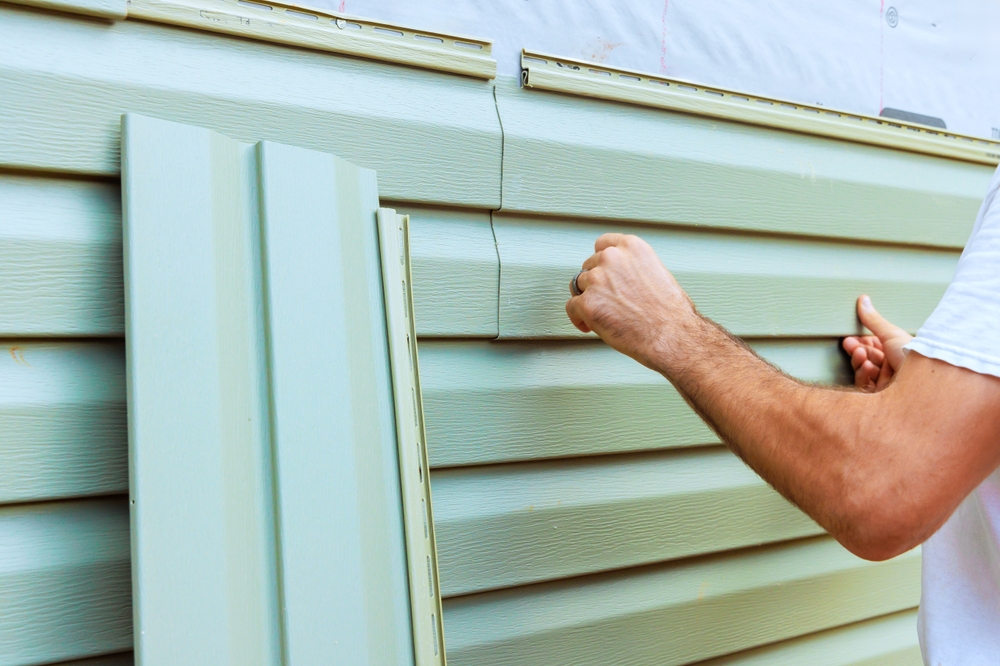
- Expansion: Vinyl expands and contracts significantly. Code requires that nails be driven into the center of the nailing slot and left slightly loose (“hung”) to allow movement. Tight nailing is a code violation that leads to buckled siding.
- Backing: As mentioned, in fire zones, it requires specific backing materials.
Stucco
- Weep Screeds: Code requires a “weep screed” at the bottom of stucco walls. This metal strip allows trapped moisture to drain out. If your stucco goes straight into the dirt (common in older homes), it is a code violation that invites termites and rot.
The Inspection Process: What to Expect
When you hire a professional contractor for a permitted siding project, you will encounter the building inspector.
- Sheathing/Nail Inspection: Before the new siding goes on, the inspector may want to see the exposed wall sheathing. They check for rot in the structure and verify that the shear wall nailing pattern is correct for seismic safety.
- Weather Barrier Inspection: They inspect the house wrap and flashing around windows. This is the most critical inspection for preventing future leaks.
- Lath Inspection (for Stucco): Checking the wire mesh and paper.
- Final Inspection: Once the siding is up, painted, and caulked, they sign off on the project.
How Codes Protect Your Wallet
It is easy to view codes as a cost-driver. “Why do I have to pay for rigid foam? Why do I need expensive fire-treated wood?”
However, viewed over the lifespan of the home, code compliance is a savings mechanism.
- Lower Energy Bills: That mandatory rigid foam insulation can lower heating and cooling costs by 15-20% annually.
- Reduced Repair Costs: Mandated flashing techniques prevent the “hidden rot” that destroys structural framing, saving you from catastrophic repair bills 10 years down the road.
- Insurance Discounts: Homes in WUI zones that are retrofitted with Chapter 7A compliant siding may qualify for insurance discounts or be eligible for coverage that would otherwise be denied.
Finding a Code-Savvy Contractor
The complexity of these regulations highlights the importance of hiring a local specialist. A “chuck in a truck” handyman may not know about the new WUI amendments in your specific county or the nailing pattern required for high-wind zones.
When interviewing contractors, ask these code-related questions:
- “Are you familiar with Chapter 7A requirements for this neighborhood?”
- “Will you be pulling a permit for this job?” (If they say no for a full replacement, run.)
- “How do you handle the Title 24 insulation requirements?”
At Hexteriors, we stay up-to-date on all local and state amendments. We view code compliance not as a hurdle, but as the baseline for quality. Whether it’s a small repair or a full exterior makeover, we ensure every flashing detail and nail placement meets or exceeds the standard.
Conclusion: Peace of Mind Through Compliance
Your home is your sanctuary. Building codes are designed to keep it that way. They ensure that when the winter storms batter the coast, your walls stay dry. They ensure that when the summer heat spikes, your interior stays cool. And most importantly, they ensure that if a wildfire threatens your community, your home has a fighting chance.
Don’t let the complexity of permits and regulations deter you from upgrading your home. By choosing the right materials and partnering with a knowledgeable contractor, you can navigate the code landscape with confidence. The result will be a beautiful, durable exterior that adds value to your property and safety to your life.
If you are considering a siding project and are unsure about the specific codes in your area, or if you need to bring an older home up to current fire safety standards, we are here to help. Visit our siding options page to explore compliant materials, or contact us about siding repair to fix code violations and damage on your existing exterior.
FAQ: Building Codes and Siding
Q: My house was built in 1980. Do I have to bring it up to 2024 codes?
A: Generally, no—unless you are doing a renovation. Existing homes are “grandfathered” in. However, once you start a project that exceeds a certain scope (like replacing more than 50% of the siding), the new work must meet current codes. You typically don’t have to fix the untouched parts of the house unless they present an immediate danger.
Q: Can I do my own siding work without a permit?
A: Legally, homeowners can pull “owner-builder” permits. However, you are then fully liable for ensuring the work meets code. If you install it incorrectly and have to tear it off, or if someone gets hurt, the responsibility is entirely yours.
Q: What is “HardieZone” and is it code?
A: The HardieZone system is a manufacturer specification that engineers fiber cement for specific climates (HZ5 for freezing, HZ10 for heat/humidity). While not a building code itself, codes often require installing materials “per manufacturer’s instructions.” Therefore, using the wrong HardieZone product for your region could technically be a violation and would certainly void your warranty.
Q: How do I know if I live in a Fire Hazard Severity Zone?
A: The Cal Fire website maintains detailed maps of FHSZ designations for State and Local Responsibility Areas. Your local building department or fire marshal can also give you a definitive answer based on your address.
Q: Does painting siding require a permit?
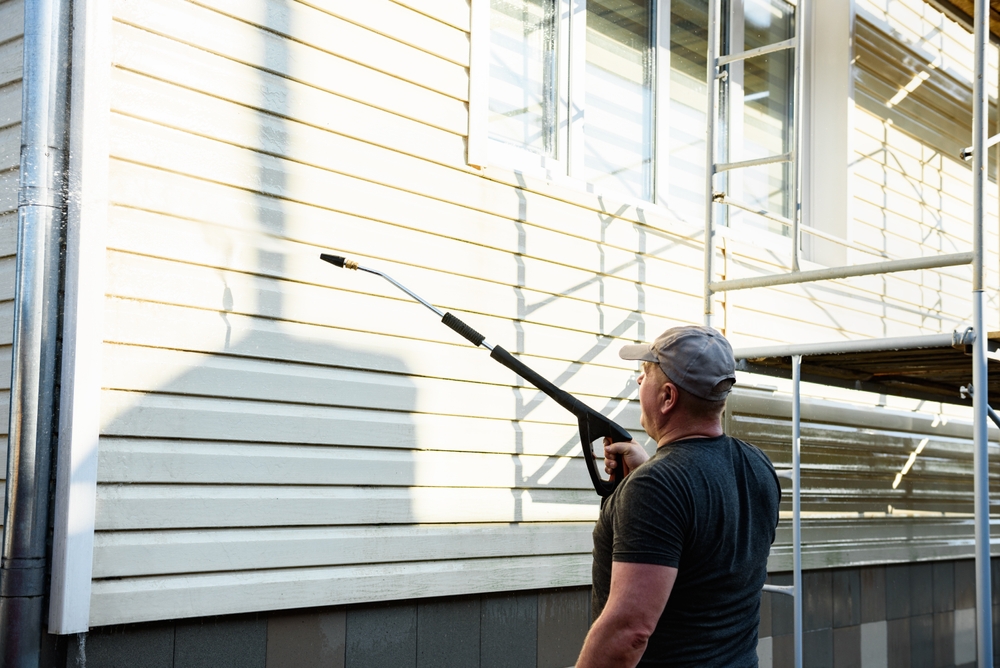
A: No. Painting, cleaning, and very minor cosmetic patches generally do not require a building permit.