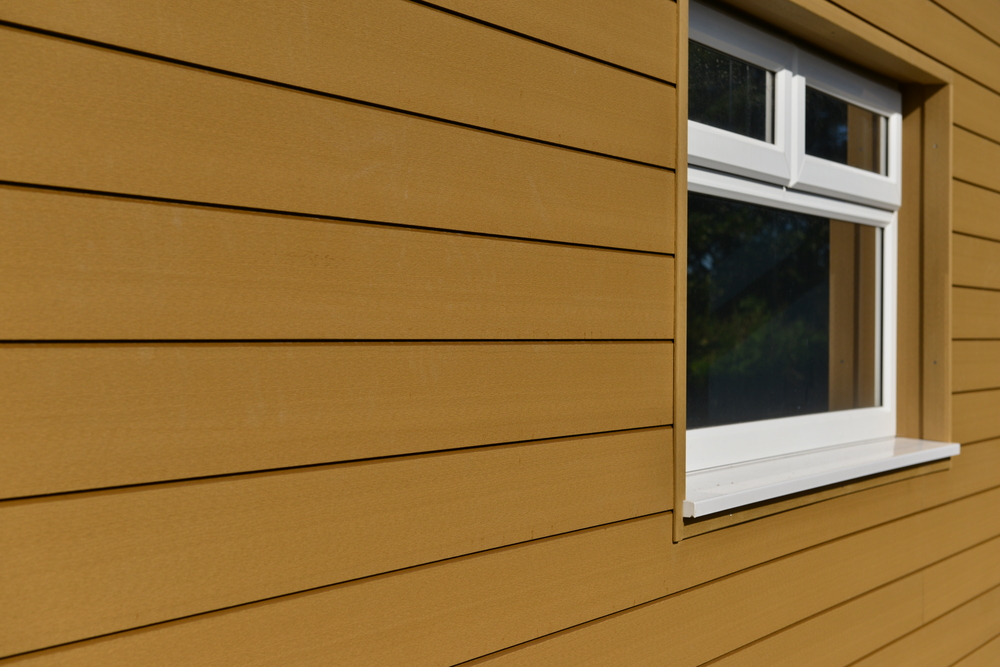
Fiber cement siding has earned its reputation as one of the most durable, attractive, and long-lasting exterior cladding materials on the market. Often recognized by top brands like James Hardie, this composite material—made from a blend of cement, sand, and cellulose fibers—offers the look of wood without the susceptibility to rot, termites, or fire. It is a premium product that adds significant value and curb appeal to homes across Sacramento and the Bay Area.
However, the very properties that make fiber cement so robust also make it unique to work with. Unlike vinyl, which snaps together, or wood, which can be easily cut and nailed by any handyman, fiber cement requires specialized tools, specific handling techniques, and a deep understanding of manufacturer specifications.
When damage occurs—whether from a severe impact, improper initial installation, or shifting structures—homeowners often wonder if they can tackle the fix themselves. The short answer is: proceed with extreme caution. Fiber cement siding repair is not a standard weekend DIY project. It involves health safety protocols, precision cutting, and complex flashing details that, if missed, can void warranties and lead to hidden water damage.
In this guide, we will explore the complexities of fiber cement siding, the specific challenges of repairing it, and why trusting a certified siding technician is the smartest investment for your home’s longevity.
The Unique Composition of Fiber Cement
To understand why repairs are complicated, you first need to understand the material itself. Fiber cement is an engineered product designed to withstand harsh elements, but its composition dictates how it must be handled.
Heavy and Brittle
While installed fiber cement is incredibly tough, individual uninstalled boards are heavy and can be brittle if carried incorrectly. A standard 12-foot lap siding board can snap under its own weight if not carried by the edge. This fragility means that removing a damaged board without breaking the surrounding good boards requires a delicate touch and significant experience.
Silica Dust Hazards
The “cement” and “sand” components of fiber cement contain crystalline silica. When this material is cut, drilled, or ground using high-speed tools, it releases respirable silica dust. If inhaled, this dust can cause serious lung issues, including silicosis.
- DIY Risk: Most homeowners lack the specialized dust-collecting saws or shears required to cut fiber cement safely.
- Pro Solution: Certified technicians use OSHA-compliant cutting methods, such as guillotine shears or saws equipped with HEPA vacuum extraction, to keep the job site safe and clean.
Moisture Management
Fiber cement is water-resistant, but it is not waterproof on its own. It relies on a high-quality paint finish and, more importantly, correct installation gaps and flashing to manage moisture. If a repair is done incorrectly and water is allowed to pool against cut edges or wick up from the bottom, the material can delaminate or degrade over time.
Common Causes of Fiber Cement Damage
While fiber cement is built to last 50 years or more, damage can happen. Identifying the root cause is the first step a professional takes before attempting a repair.
1. Improper Installation (The #1 Culprit)
Sadly, many repairs are necessary not because the material failed, but because the original installer cut corners. Common installation errors include:
- Blind nailing too high: If nails are placed too high on the board, they don’t hold the siding tight to the wall, leading to rattling or blow-offs in high winds.
- Over-driving nails: Using a nail gun with too much pressure can drive the nail head deep into the siding, cracking the surface and creating a water entry point.
- Lack of clearance: Fiber cement needs space (clearance) above rooflines, decks, and hardscapes to prevent moisture absorption. If installed flush against a deck, it will eventually rot.
- Missing flashing: Critical kick-out flashing and joint flashing are often skipped by uncertified contractors.
2. Impact Damage
While resistant to hail, a heavy blow from a baseball, a falling tree limb, or a vehicle can crack a board. Unlike wood, which might dent, fiber cement tends to crack or shatter under extreme localized force.
3. Foundation Settling
As homes in the Sacramento Valley settle, the framing can shift. Since fiber cement is rigid (unlike vinyl which is flexible), significant structural movement can cause stress cracks in the siding, particularly around windows and doors.
The Anatomy of a Proper Fiber Cement Repair
Why is fiber cement siding repair so much harder than replacing a wood board? It comes down to the fastening system and the “blind nail” technique.
Fiber cement lap siding is typically “blind nailed.” This means the fasteners are driven into the top inch of the board, which is then covered by the board above it. To remove a damaged board, you cannot simply pull it off. You effectively have to disturb the board above it to access the nails, or use specialized tools to cut the nails behind the siding without damaging the weather-resistive barrier (house wrap) underneath.
The “Face Nail” Mistake
The most common sign of an amateur repair is “face nailing.” This happens when a handyman rips out a board and, unable to blind nail the replacement because the board above is in the way, simply drives nails through the exposed face of the new board.
- The Problem: While face nailing is permitted in some contexts, it must be done with extreme precision. The nails must be hit perfectly into studs, countersunk correctly, and then caulked and painted. Often, amateurs leave exposed nail heads that rust, bleed streaks down the wall, and allow water intrusion.
Why Certification Matters: The James Hardie Example
Manufacturers like James Hardie—the leader in fiber cement technology—have rigorous installation manuals that are hundreds of pages long. They know that their product is only as good as the installation. This is why they created certification programs, such as the “Elite Preferred” contractor status held by Hexteriors.
When you hire a technician certified in James Hardie Siding, you are getting someone who has been trained on specific nuances that general contractors often miss.
1. The “Butt Joint” Protocol
Where two boards meet end-to-end (a butt joint), water management is critical.
- The Certified Way: Professionals install a piece of metal flashing behind every joint. This acts as a shingle, ensuring any water that gets in the gap flows out over the board below, not behind the siding.
- The Amateur Way: Many unqualified installers simply caulk the gap between boards. This is a major violation of installation guidelines. Caulk eventually fails, cracks, and traps moisture, ruining the board edges. A certified pro knows: never caulk the butt joints.
2. Proper Clearances
Certified pros carry a mental checklist of required clearances:
- 2 inches clearance from roof steps.
- 6 inches clearance from grade (soil).
- Correct gaps between siding and window trim for expanding caulk joints.
Ignoring these clearances voids warranties. A certified repair technician will often have to correct these clearance issues during a repair, cutting back siding that was originally installed too close to a roofline.
3. Color Matching and Painting
Fiber cement often comes pre-finished with baked-on color (like ColorPlus® Technology). Matching a faded, 10-year-old board with a brand new factory-finished board is an art form.
- Certified technicians have access to touch-up kits and color-matched paints that are formulated specifically for fiber cement.
- They know the “rule of the dime” for touch-up paint—use it sparingly on nail heads and cut edges only. Over-painting a large area with a touch-up kit can ruin the finish aesthetic.
The Risks of DIY or Handyman Repairs
We understand the temptation to save money by hiring a general handyman or attempting the repair yourself. However, with fiber cement, the “cheap” fix is often the most expensive one in the long run.
Voiding the Warranty
Most fiber cement siding comes with a 30-year or even 50-year transferable warranty. However, this warranty is explicitly contingent on installation according to manufacturer specifications.
- If you or an uncertified worker performs a repair incorrectly (e.g., using the wrong nails, failing to flash a joint, or caulking incorrectly), you can void the warranty for that entire wall or section.
- When you go to sell your home, a savvy home inspector will spot improper repairs immediately.
Hidden Water Damage
The biggest risk of badsiding repair in Sacramento isn’t how it looks; it’s what it hides. If a repair allows water to seep behind the siding, it can rot your OSB sheathing and framing studs. You might not see this damage for years, by which time you are facing a massive structural renovation bill rather than a simple siding fix.
Aesthetic Failures
Fiber cement is a premium product that looks like real wood. A bad repair sticks out like a sore thumb.
- Wavy walls due to improper nailing.
- Cracked boards from forcing them into place.
- Blobs of caulk smeared over joints.
- Mismatched paint sheens.
These visual flaws degrade your home’s curb appeal and can be a sticking point during property appraisals.
The Certified Repair Process: What to Expect
When you hire a professional team like Hexteriors for your fiber cement repair, the process is systematic and thorough. Here is what a certified intervention looks like.
Step 1: Comprehensive Inspection
A pro doesn’t just look at the crack. They look for why it cracked. They will check the surrounding boards, inspect the flashing above the damage, and look for signs of moisture behind the siding.
Step 2: Surgical Removal
Using specialized flat bars and nail-cutting tools, the technician will carefully detach the damaged board without ripping the house wrap or breaking the locking mechanism of the board above. This is the most difficult part of the job and requires significant skill.
Step 3: Substrate Check
Once the board is off, the technician inspects the weather-resistive barrier (WRB). If the paper is torn, they will tape and seal it. If they find soft wood, they will alert you immediately—this is the value of an honest contractor.
Step 4: Precise Cutting and Sealing
The new board is measured and cut using dust-reducing shears. Crucially, every cut edge is sealed. Fiber cement absorbs water through cut ends. A certified pro will paint or prime every single cut before the board goes on the wall. This step is almost always skipped by amateurs.
Step 5: Compliant Fastening
The new board is installed using corrosion-resistant siding nails (usually stainless steel or hot-dipped galvanized). The technician ensures the nails hit the studs and are driven flush, not over-driven.
Step 6: Finishing Touches
Flashing is re-checked. Caulk is applied only where the manufacturer specifies (usually where siding meets trim), using high-grade elastomeric sealant that meets ASTM standards. Finally, the repair area is painted to blend seamlessly with the rest of the home.
The Cost of Quality vs. The Cost of Failure
Homeowners often ask, “Why does a certified technician cost more than a handyman?”
You are paying for:
- Specialized Tooling: Dust-free saws and pneumatic nailers designed for fiber cement.
- Safety Compliance: Protection against silica dust for you and the workers.
- Warranty Preservation: Repairs that keep your manufacturer warranty intact.
- Insurance: Liability coverage that protects your home if an accident occurs.
- Longevity: A repair that will last as long as the rest of the house.
Consider the alternative. A handyman charges $200 to swap a board. He face-nails it, caulks the butt joints, and doesn’t seal the cut edges. Two years later, the caulk fails, water wicks into the unsealed edges, the board swells and delaminates, and the trapped moisture rots the sheathing underneath. You are now paying thousands for structural repairs and new siding.
How to Find a Certified Technician in Sacramento
Not all contractors who say they “do siding” are certified specialists. When looking for fiber cement siding repair, ask these questions:
- “Are you a James Hardie Elite Preferred Contractor?” (Or certified by the specific manufacturer of your siding).
- “How do you handle silica dust control?”
- “Do you seal cut edges?” (The answer must be yes).
- “Do you use joint flashing or caulk at the butt joints?” (The answer must be joint flashing).
At Hexteriors, we take pride in holding the highest levels of certification in the industry. We understand the local climate of the Sacramento Valley—the scorching summers and wet winters—and how fiber cement reacts to these changes.
Conclusion
Fiber cement is an investment in your home’s future. It offers unparalleled beauty and resilience, but it demands respect. It is not a material that forgives shortcuts. Whether you are dealing with a single cracked board or widespread storm damage, the repair process requires the steady hand and technical knowledge of a specialist.
Don’t gamble with your home’s exterior envelope. By choosing a certified siding technician, you ensure that your repair preserves the integrity, aesthetics, and warranty of your siding. You get peace of mind knowing the job was done safely, correctly, and permanently.
If you suspect damage to your fiber cement siding, do not wait for water to find its way in. Contact the experts at Hexteriors for a professional assessment. We provide honest, certifiedsiding repair in Sacramento that stands the test of time. Protect your investment—call us today.