California has long been at the forefront of the green revolution, from our strict vehicle emissions standards to our ambitious renewable energy goals. But sustainability isn’t just about solar panels and electric cars; it starts right at home, quite literally with the walls that shelter us. As homeowners become increasingly conscious of their carbon footprint, the demand for eco-friendly home improvement solutions has skyrocketed. One often-overlooked area where you can make a significant environmental impact is your home’s siding.
Siding is your home’s first line of defense against the elements, but traditional siding materials and repair methods can carry a heavy environmental cost—from energy-intensive manufacturing processes to the generation of non-biodegradable waste. Fortunately, the industry is evolving. Today, California homeowners have access to sustainable materials, green repair techniques, and energy-efficient upgrades that not only protect the planet but also lower utility bills and boost property value.
In this comprehensive guide, we will explore the landscape of eco-friendly siding repair. We’ll dive deep into sustainable materials, discuss how repairing (rather than replacing) is often the greenest choice, and provide actionable tips for maintaining an energy-efficient exterior in the Golden State’s unique climate.
The Case for Green Siding Repair
Why should you care about eco-friendly siding? The construction industry is a major contributor to global waste. According to the EPA, construction and demolition debris account for a massive portion of the waste stream in the United States. Every time we tear off old siding and send it to a landfill, we contribute to this problem.
Choosing eco-friendly solutions isn’t just an act of environmental altruism; it’s a practical, economic decision for California residents.
1. Reducing Landfill Waste
The most sustainable siding is the one you already have. By prioritizing repair over full replacement whenever possible, you keep perfectly good materials out of the landfill. This “repair-first” mentality is the cornerstone of sustainable home maintenance.
2. Improving Energy Efficiency
Your siding is a critical component of your home’s thermal envelope. Cracks, gaps, or warped panels allow conditioned air to escape and outside air to infiltrate. Repairing these breaches reduces the load on your HVAC system, lowering your energy consumption and your monthly utility bills—a win for your wallet and the grid.
3. Durability Means Sustainability
In the world of green building, longevity is king. A material that lasts 50 years is inherently more sustainable than one that needs replacing every 15 years, even if the latter is made of “natural” materials. Eco-friendly repairs focus on using high-quality, durable materials that withstand California’s intense sun and fire seasons, reducing the need for future resource consumption.
Assessing Your Siding: Repair vs. Replace
Before you commit to a course of action, you need to assess the condition of your current exterior. Is a repair feasible, or has the material reached the end of its lifecycle?
When to Repair (The Eco-Choice)
If the damage is localized, repair is almost always the greener option.
- Small Holes or Cracks: These can often be sealed with high-quality, low-VOC caulking or patched with matching materials.
- Single Board Damage: If only a few planks are rotting or cracked due to impact, replacing just those boards preserves the embodied energy of the rest of the wall.
- Mold or Mildew: Surface growth can usually be cleaned with eco-friendly solutions without needing to remove the siding itself.
If you are unsure about the extent of the damage, a professional assessment is key. Our team specializes in honest evaluations to determine if you can extend the life of your current siding. Learn more about our approach on our siding repair services page.
When to Replace (The Long-Term Green Choice)
Sometimes, a full replacement is the most responsible choice. If your siding is failing systematically—allowing moisture to rot the structural framing or offering zero insulation value—keeping it might cause more environmental harm through energy loss and structural decay. In these cases, choosing a sustainable replacement material is the next step.
Top Eco-Friendly Siding Materials for California
If replacement sections are needed, or if a full overhaul is required, selecting the right material is crucial. Here is how the most popular options stack up environmentally.
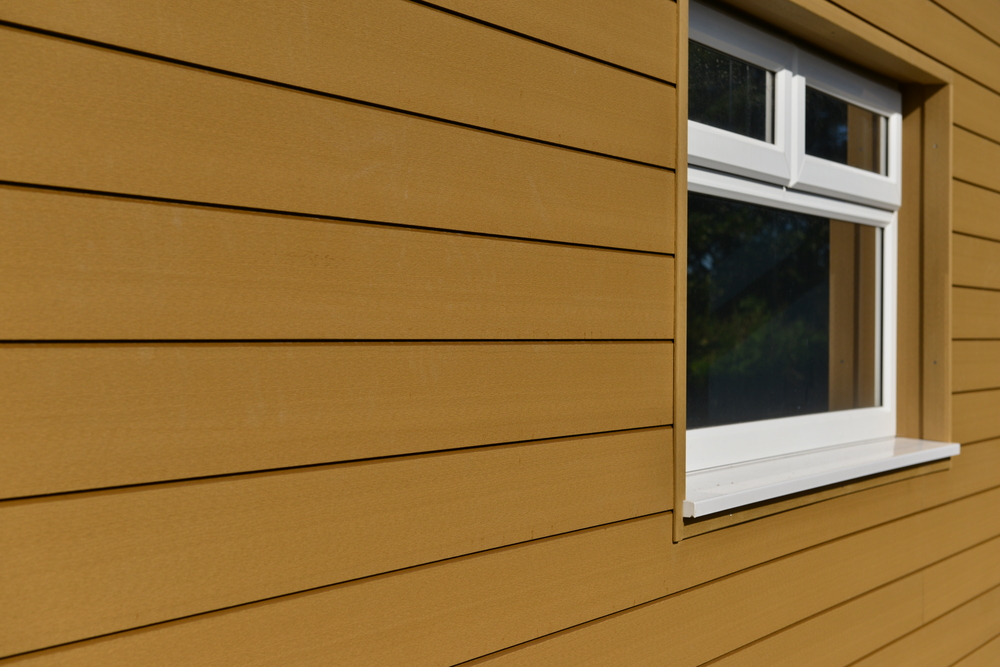
1. Fiber Cement: The Durable Giant
Fiber cement (like James Hardie siding) is composed of cement, sand, and cellulose fibers.
- Eco-Pros: It is incredibly durable, fire-resistant, and termite-proof. Its long lifespan (50+ years) means fewer replacements over the life of the home. It often contains recycled content (wood fiber and fly ash).
- Eco-Cons: The manufacturing process is energy-intensive due to the cement content.
- Verdict: Its extreme longevity and low maintenance needs make it a top sustainable choice for California, especially in wildfire-prone areas.
2. Engineered Wood: The Sustainable Innovator
Engineered wood (like LP SmartSide) uses wood strands coated with wax and resin.
- Eco-Pros: It uses fast-growing trees (renewable resource) and utilizes nearly the entire log, resulting in very little manufacturing waste. It is lighter than fiber cement, meaning lower transportation emissions.
- Eco-Cons: It relies on chemical binders, though modern versions meet strict emission standards.
- Verdict: A fantastic, low-waste option that mimics the look of traditional wood with better durability.
3. Sustainable Natural Wood (Cedar/Redwood)
- Eco-Pros: Wood is biodegradable, renewable, and acts as a carbon sink (storing carbon dioxide).
- Eco-Cons: It requires regular maintenance (staining/painting) with potentially toxic chemicals. If not sourced from sustainably managed forests (FSC-certified), it contributes to deforestation. It is also less fire-resistant.
- Verdict: excellent only if FSC-certified and maintained with eco-friendly finishes.
4. Insulated Vinyl
- Eco-Pros: Modern insulated vinyl improves a home’s R-value (insulation), reducing energy usage. It is lightweight and recyclable (though recycling facilities can be scarce).
- Eco-Cons: It is made from PVC (plastic), a non-renewable petroleum product. Manufacturing produces toxic byproducts.
- Verdict: Good for energy efficiency retrofits on a budget, but less “green” in terms of material composition.
For a deeper dive into these materials and to see which might fit your home’s aesthetic, visit our siding options overview.
Green Repair Techniques and Best Practices
Making your repair “eco-friendly” goes beyond just the material. It’s about the methods, the supporting products, and waste management.
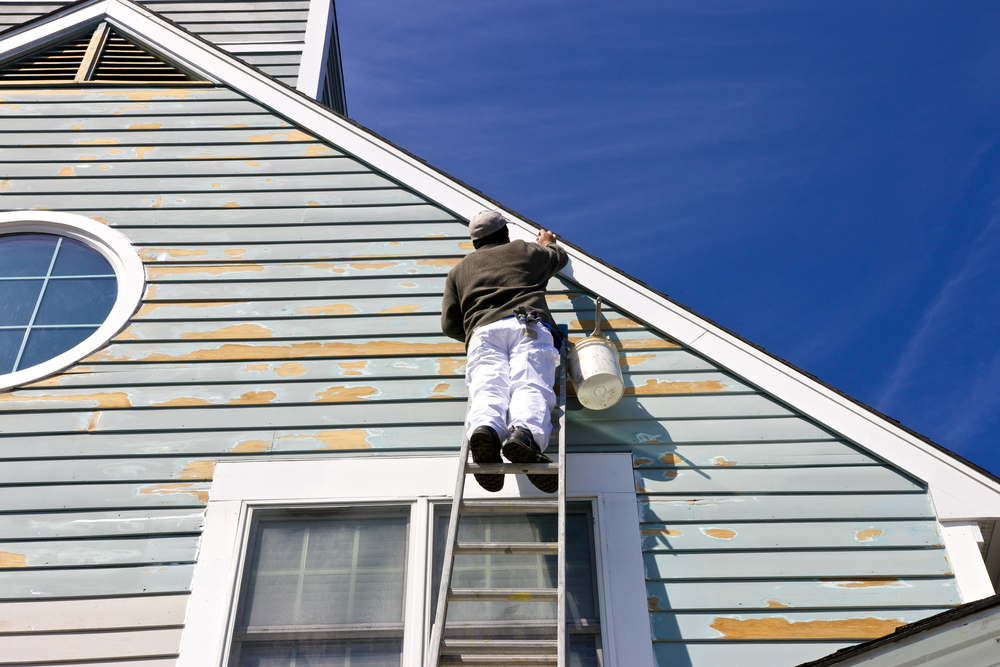
1. Low-VOC Paints and Sealants
When you repair siding, you almost always need to paint or seal the new sections to match the old. Traditional exterior paints release Volatile Organic Compounds (VOCs) into the air as they dry. These are smog-forming chemicals that contribute to poor air quality—a major issue in California valleys.
- ** The Solution:** Always specify low-VOC or zero-VOC exterior paints and primers. Today’s water-based acrylic latex paints are durable, hold color well, and have a fraction of the environmental impact of older oil-based paints.
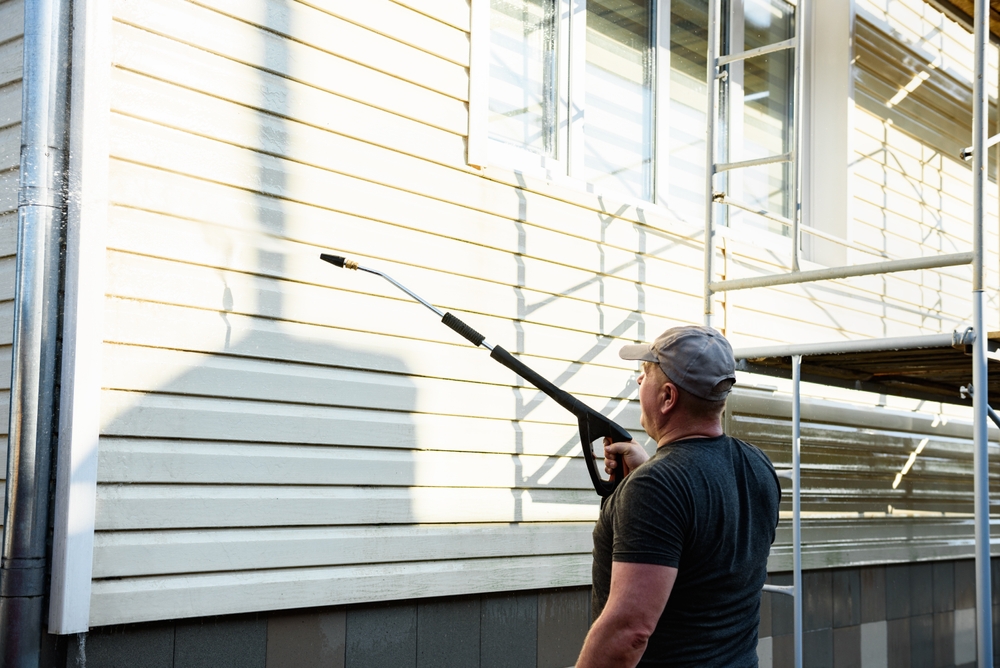
2. Eco-Friendly Cleaning
Before repairing or painting, siding usually needs a wash.
- Avoid: Harsh bleach solutions or phosphate-heavy detergents that run off into your garden and the storm drains, harming local waterways.
- Use: Oxygen bleach (sodium percarbonate) or biodegradable siding cleaners. These break down into harmless oxygen and water, cleaning your siding without poisoning the soil.
3. Improving Insulation During Repair
If you have to open up a wall to repair rot or replace a large section of siding, seize the opportunity to upgrade your insulation.
- Rigid Foam: Adding a layer of rigid foam insulation under the new siding repair can significantly boost the wall’s R-value.
- House Wrap: Ensure a high-quality, breathable weather-resistive barrier (house wrap) is installed. This prevents future moisture damage (reducing the need for future repairs) while allowing the house to “breathe,” preventing mold.
4. Responsible Waste Management
Construction waste management is a huge part of green building.
- Recycle: Metal flashing, aluminum siding, and cardboard packaging should always be recycled.
- Reuse: If you remove old cedar siding planks that are weathered but not rotted, don’t trash them. They can be denailed and reused for garden beds, birdhouses, or rustic accent walls.
- Dispose Safely: Lead paint is a common hazard in pre-1978 homes. If your repair involves disturbing old paint, it must be contained and disposed of according to EPA lead-safe guidelines to prevent contaminating the soil around your home.
Water Conservation and Your Exterior
In California, water is precious. Believe it or not, your siding repair choices impact water conservation.
The Role of Gutters and Downspouts
Siding damage is often caused by failing gutters. When gutters clog or leak, water cascades down the siding, leading to rot and mold.
- The Green Fix: Repairing your siding must include tuning up your drainage system. Directing downspouts into rain barrels or rain gardens not only protects your siding from water damage but also harvests free water for your landscape.
Choosing Drought-Tolerant Landscaping Near Siding
Plants hold moisture against your house. While ivy looks charming, it destroys siding and traps humidity.
- The Green Fix: Create a “clear zone” of 6-12 inches between the ground and your siding. Use gravel or stone mulch instead of wood mulch (which retains moisture and invites termites). Plant drought-tolerant native species that don’t require heavy sprinklers, reducing the amount of water spraying against your home.
The Hidden Environmental Cost of “Cheap” Repairs
We often see homeowners tempted by the cheapest, quickest fix. Maybe it’s a “handyman special” using cheap pine boards or non-galvanized nails. While this saves money upfront, it is an environmental disaster in the long run.
Cheap materials fail quickly in the California sun. Non-galvanized nails rust, streaking your siding and eventually failing to hold the boards. Cheap pine rots within a few years.
- The Result: You have to do the repair again in 3 years. That is double the material waste, double the transportation emissions, and double the labor.
- The Sustainable Path: “Do it right, do it once.” Investing in premium, climate-appropriate materials and skilled labor ensures the repair lasts for decades. This durability is the ultimate sustainability.
Energy Efficiency: The Cool Wall System
California summers are getting hotter. Dark, heat-absorbing siding can turn your home into an oven, forcing your air conditioner to work overtime.
Cool Wall Technologies
New reflective paint technologies utilize heat-reflective pigments. Even in darker colors, these coatings reflect a significant portion of the sun’s infrared energy.
- Benefit: This can lower the surface temperature of your exterior walls by up to 40 degrees Fahrenheit.
- Impact: A cooler exterior wall transfers less heat to the interior, reducing your cooling costs and energy consumption. When repairing siding, consider repainting the entire elevation with a “cool wall” coating to unify the look and boost efficiency.
How to Choose an Eco-Friendly Contractor
The materials are only half the battle; the partner you choose matters. Here is what to look for in a sustainable siding contractor:
- Local Sourcing: Do they buy materials from local suppliers? This reduces transportation emissions compared to ordering from out-of-state.
- Waste Practices: Ask them, “What happens to the waste from this job?” A responsible contractor will have a plan for recycling and safe disposal.
- Digital Processes: Do they offer digital estimates and contracts? Going paperless saves trees and streamlines the process.
- Education: A green contractor should be willing to explain why they are recommending certain materials and how they benefit your home’s efficiency.
At Hexteriors, we pride ourselves on efficient, low-waste processes and transparent communication. Whether it’s a small patch job or a large renovation, we treat your home and the environment with respect.
Conclusion: Small Repairs, Big Impact
Repairing your siding is more than just home maintenance; it’s an act of stewardship. By choosing to repair instead of replace, selecting durable and sustainable materials, and focusing on energy efficiency, you are making a tangible contribution to a greener California.
You don’t need to retrofit your entire home to make a difference. Fixing that one rotting corner with durable fiber cement, sealing those drafty gaps with low-VOC caulk, or upgrading your insulation during a repair—these steps add up. They create a home that is healthier for your family, lighter on the planet, and resilient enough to face the future.
If you’ve noticed wear and tear on your home’s exterior, don’t wait until replacement is the only option. Explore our sustainable repair solutions today. Visit oursiding repair page to schedule an assessment, or check out oursiding options to see the beautiful, eco-friendly materials available for your home. Let’s build a better, greener future—one board at a time.
FAQ: Sustainable Siding Repair
Q: Is vinyl siding recyclable?
A: Theoretically, yes. Vinyl is a thermoplastic and can be melted down and reused. However, finding facilities that accept post-consumer vinyl siding can be difficult. It is best to check with local waste management or specialized construction recycling centers in your county.
Q: How does siding color affect the environment?
A: Lighter colors naturally reflect more sunlight, keeping your home cooler and reducing the “Urban Heat Island” effect. If you choose a darker color for aesthetic reasons, look for paints with heat-reflective technology to mitigate the heat gain.
Q: Can I replace wood siding with fiber cement only on the damaged walls?
A: Yes! This is a great way to transition to a more durable material without the cost and waste of a full replacement. However, matching the texture and thickness exactly can be tricky. A skilled contractor can often blend the new material with the old, especially if there is a corner board or trim piece to act as a visual break.
Q: What is the most eco-friendly way to clean my siding?
A: A simple mixture of water and white vinegar (70/30 ratio) is a fantastic, non-toxic cleaner for most light mildew and dirt. For tougher grime, use a biodegradable detergent and a soft-bristle brush. Avoid high-pressure power washing, which can damage the siding and force water behind the weather barrier.
Q: Does repairing siding increase my home value?
A: Absolutely. Curb appeal is a huge factor in home valuation. Furthermore, savvy California buyers are looking for energy-efficient, well-maintained homes. Documenting your use of durable, green materials and proper insulation can be a selling point.