For many homeowners in the Sacramento Valley and the Bay Area, the weekend warrior spirit is alive and well. There is a profound satisfaction in walking down the aisle of a local hardware store, picking out tools, and tackling a home improvement project with your own two hands. With YouTube tutorials offering step-by-step guides on everything from fixing a leaky faucet to building a deck, it is easy to feel confident about taking on larger projects.
However, your home’s siding is not just a cosmetic feature; it is the primary defense shield for your biggest investment. It stands between your family and the blistering California summer heat, the winter rains, and the pests that are always looking for a warm place to nest. When that shield cracks, warps, or rots, the impulse to grab a ladder and a hammer to save a few dollars is understandable. But is it wise?
The debate between DIY and professional siding repair is often reduced to a simple calculation of money versus time. Yet, the reality is far more complex. It involves questions of structural integrity, long-term durability, safety, and manufacturer warranties. A mistake in painting a bedroom wall is annoying; a mistake in installing siding can lead to thousands of dollars in hidden water damage years down the line.
In this comprehensive guide, we will peel back the layers of the DIY vs. Professional debate. We will explore the true costs, the hidden risks that tutorials often skip, and the specific scenarios where hiring a professional for siding repair in Sacramento isn’t just a luxury—it’s a necessity.
The Allure of DIY: Why Homeowners Choose to Do It Themselves
Before we discuss the risks, we must acknowledge why DIY siding repair is so tempting. For the handy homeowner, there are genuine perceived benefits to tackling the job alone.
1. Upfront Cost Savings
The most significant driver for DIY projects is labor costs. Professional contractors charge for their time, expertise, insurance, and overhead. By doing it yourself, you strip away those costs, paying only for the materials—the siding boards, the nails, and the caulk. On paper, replacing a few damaged vinyl panels yourself might cost $100 in materials, whereas a professional minimum charge might be $500 or more. For families on a tight budget, this math is compelling.
2. Schedule Control
Contractors are busy, especially in the Sacramento region where the construction market is active. Booking a high-quality pro might mean waiting weeks for an opening in their schedule. A DIY repair can be done this Saturday. If you are dealing with a cosmetic issue that drives you crazy every time you pull into the driveway, the ability to fix it now is a major “pro” for the do-it-yourself approach.
3. Personal Satisfaction
There is an undeniable pride in home maintenance. Learning how your home is put together and successfully fixing a problem fosters a deeper connection to the property. For minor issues, this sense of accomplishment is a valid reward.
The Reality Check: Hidden Complexities of Siding Repair
While the benefits above are real, they often rely on the assumption that the repair is simple and goes according to plan. Siding systems are deceptively complex. What looks like “just nailing up a board” is actually a system of water management, thermal expansion allowances, and structural anchoring.
The “Iceberg” Effect of Damage
When you see a piece of rotted wood siding or a cracked fiber cement board, you are usually seeing only 10% of the problem. The other 90% is what lies beneath.
Professional contractors are trained to look for the root cause. Why did the wood rot in that specific spot? Is there a gutter leaking above it? Is the window flashing failing? If a DIYer simply swaps the rotten board for a new one without fixing the leak, the new board will rot just as quickly. Worse, the water will continue to seep into the wall cavity, rotting the framing studs and insulation—damage that isn’t visible until it becomes catastrophic.
Material-Specific Challenges
Different siding materials require vastly different skill sets.
- Vinyl: Vinyl expands and contracts significantly with temperature changes. If you nail it too tightly to the wall (a common rookie mistake), the siding will buckle and warp as soon as the Sacramento sun hits it. It needs to “float.”
- Fiber Cement: This material is heavy and brittle until installed. It requires specialized cutting blades to minimize dangerous silica dust. Incorrect nailing pressure can crack the board or void its wind-load rating.
- Wood: Cutting wood requires precision. But more importantly, it requires sealing. A professional knows to prime the “end cuts” (the fresh cuts made on site) before installation. A DIYer often skips this, leading to moisture wicking into the board from the ends.
The Pros of Hiring a Professional Siding Contractor
When you hire a reputable company for residential siding services, you are paying for more than just labor. You are investing in risk mitigation and long-term performance.
1. Expertise in Water Management
The most critical aspect of siding isn’t the color or the texture; it’s the flashing. Flashing consists of the metal pieces installed around windows, doors, and roof intersections to direct water away from the wall.
Professionals understand the principle of “lapping”—installing materials from the bottom up so that water naturally sheds over the top of the layer below. A single piece of flashing installed in reverse (underneath the layer below it) can funnel gallons of rainwater directly into your living room wall. Professionals get this right every time because they understand building science.
2. Access to Quality Materials
You can buy siding at a big-box store, but it is often “builder grade.” Professionals have relationships with wholesale suppliers and access to premium product lines that may not be available to the general public. Furthermore, they can often source materials that better match older, faded siding profiles that have been discontinued in retail stores.
3. Tool Efficiency and Safety
Siding repair often happens at heights. Working on a ladder with a heavy nail gun or a 12-foot plank of fiber cement is dangerous. Falls from ladders are a leading cause of home injury in the US. Professionals come equipped with scaffolding, pump jacks, and safety harnesses. They also have the specialized tools—guillotine cutters for fiber cement, brake machines for bending custom aluminum flashing—that allow them to do the job precisely and cleanly. Renting these tools adds significantly to a DIY budget.
4. Warranty Protection
This is arguably the most valuable “pro.”
- Material Warranty: Manufacturers like James Hardie have strict installation manuals. If you use the wrong size nail or place it half an inch too high, you void the warranty on the material. Certified installers ensure the warranty remains valid.
- Workmanship Warranty: Reputable contractors offer a warranty on their labor. If the caulk fails or a board comes loose a year later, they come back and fix it for free. If a DIY repair fails, you pay for it twice.
Analyzing the Real Risks of DIY Siding Repair
Let’s dig deeper into the specific risks that turn a cheap weekend project into an expensive nightmare.
The Risk of Voiding Insurance Claims
Imagine a scenario where you repair a section of siding yourself. A year later, a major storm drives rain into that wall, causing significant mold and drywall damage inside. You file an insurance claim.
The insurance adjuster comes out and inspects the exterior. They notice that the flashing was installed incorrectly during your DIY repair, which allowed the water intrusion. In this case, the insurance company may deny the claim, citing improper workmanship or negligence. You saved $500 on labor but cost yourself tens of thousands in uncovered damages.
The Risk of Mold and Health Issues
In the Bay Area and Sacramento winters, moisture is persistent. If your DIY repair traps moisture behind the siding (a common issue when people use the wrong type of caulk or seal the bottom of the siding panels), it creates a greenhouse for mold.
Mold eats organic material (your home’s frame) and releases spores that can cause respiratory issues for your family. Professional installers ensure the wall can “breathe,” allowing trapped moisture to escape before mold can form.
The Aesthetic Risk: The “Patchwork Quilt” Effect
Matching new siding to old siding is an art form. Your home’s exterior has been fading in the sun for years. A brand new piece of vinyl or painted wood will stand out like a sore thumb.
Professionals have techniques to blend repairs. They might pull siding from a less visible part of the house (like behind a chimney) to use on the front facade, putting the new material in the hidden spot. They also have access to custom paint matching services. DIY repairs often result in a “patchwork quilt” look that lowers curb appeal and can even reduce home value when you try to sell.
Cost Comparison: Is DIY Really Cheaper?
To truly evaluate the cost, we have to look at the total investment, including tools and potential error correction.
Scenario: Replacing a 10×10 section of damaged wood siding.
DIY Cost Breakdown:
- Materials (Siding, House Wrap, Flashing): $350
- Fasteners & Caulk: $50
- Paint & Primer: $80
- Tool Rental (Nail Gun, Compressor, Saw): $150/day
- Ladder Purchase (if needed): $200
- Total Out of Pocket: ~$830
- Time Cost: 2 full weekends (value depends on your hourly wage).
Professional Cost Breakdown:
- Total Project Quote: ~$1,200 – $1,800
- Includes: All materials, labor, debris disposal, warranty, and completion in 1 day.
The Verdict:
While the DIY option is technically cheaper in cash outlay ($830 vs $1,500), the gap isn’t as wide as many expect once you factor in tools and incidentals. If you make a mistake that requires re-doing the work or fixing water damage, the DIY cost immediately exceeds the professional cost.
Specific Material Risks: A Deep Dive
DIY Risks with Vinyl Siding
Vinyl seems the easiest—it snaps together. But it is unforgiving of temperature.
- Nailing too tight: The siding ripples and buckles.
- Cutting in cold weather: Vinyl shatters if cut when it’s too cold.
- The “Unzipping” problem: To fix one piece, you often have to unlock several rows. Old vinyl becomes brittle and the locking tabs snap off, turning a one-piece repair into a whole-wall replacement.
DIY Risks with Fiber Cement (James Hardie)
This is the gold standard for durability, but it is not DIY-friendly.
- Weight: Boards are heavy and can break under their own weight if carried incorrectly.
- Silica Dust: Cutting creates hazardous dust that requires OSHA-approved respiration and vacuum systems.
- Blind Nailing: Most fiber cement is “blind nailed” (nails are hidden by the board above). Placing a nail too high reduces holding power; too low and it’s visible. Both are failures.
DIY Risks with Stucco
Stucco repair is masonry work.
- Texture Mismatch: It is nearly impossible for an amateur to match the trowel pattern of existing stucco. The patch will always look like a scar.
- Curing: Stucco needs to cure slowly. If it dries too fast in the Sacramento heat, it cracks immediately. Professionals use additives and misting techniques to control the cure.
When Is DIY Siding Repair Acceptable?
We don’t want to discourage homeowners completely. There is a “Safe Zone” for DIY siding maintenance where the risks are low and the rewards are high.
1. Re-Caulking (Maintenance)
If you see old caulk cracking around window frames or vertical trim boards, cutting it out and replacing it with high-quality exterior sealant is a great DIY project. It extends the life of your siding and requires minimal tools.
- Pro Tip: Never caulk the bottom edge of horizontal lap siding. That gap is there to let water drain out.
2. Cleaning
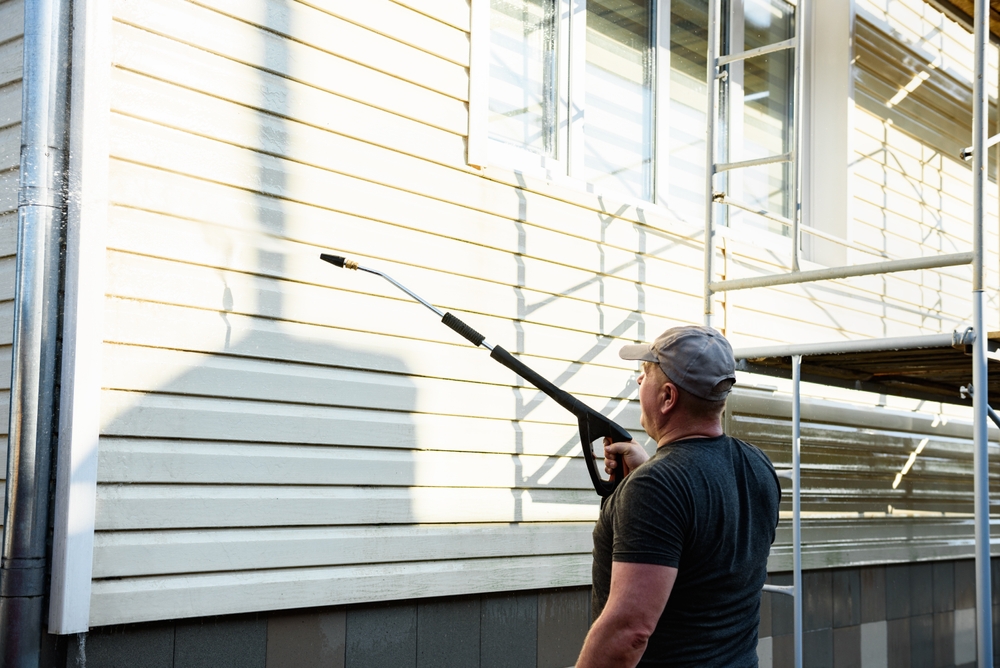
Washing your siding annually with a garden hose (avoid high-pressure power washers which can drive water behind the boards) and a soft brush removes mold and dirt, extending the paint life.
3. Painting
If the siding itself is sound but the color is faded, painting is a manageable DIY project, provided you use the correct primer and paint type for your specific material.
4. Small Surface Patches
Filling a small woodpecker hole or a nail hole with exterior-grade wood filler or epoxy is a safe, low-risk repair.
When You Must Call a Professional
There are specific “red flags” where you should put down the hammer and call a siding repair specialist in Sacramento.
1. Rot is Penetrating the Sheathing
If you pull off a piece of siding and the wood underneath (the plywood or OSB) is soft or crumbling, this is structural. You need a pro to cut out the rot and reinforce the framing.
2. The Damage is High Up
Anything requiring extension ladders or working on a steep roof pitch is not worth the risk of injury. Professionals have the insurance and equipment to work safely at heights.
3. You Plan to Sell Soon
Home inspectors are trained to spot DIY repairs. A sloppy siding patch signals to a buyer that the home might have been poorly maintained, leading them to look harder for other flaws. A professional receipt serves as proof of care.
4. Mold or Mildew Smell
If you smell mustiness near the damaged area inside the house, water has breached the envelope. You need a professional to trace the leak path, which might be originating far from the visible damage (e.g., a roof leak traveling down the wall).
How to Vet a Professional Siding Contractor
If you decide the risks of DIY are too high, ensuring you hire the right professional is the next step.
- Check for Specialized Experience: Don’t just hire a general handyman. Look for contractors who specialize in exterior envelopes.
- Verify Licensing and Insurance: In California, any job over $500 requires a licensed contractor. Ask for proof of General Liability and Workers’ Compensation insurance.
- Look for Manufacturer Certifications: For fiber cement, look for “Elite Preferred” or similar designations from James Hardie. This proves the crew has been specifically trained on that product.
- Ask About Their Repair Process: A good contractor will explain how they plan to match the existing siding and how they will handle waste disposal.
Conclusion: Weighing the Trade-Off
The decision between DIY and professional siding repair ultimately comes down to your tolerance for risk.
If the repair is cosmetic, accessible from the ground, and you have construction experience, the DIY route can be satisfying and cost-effective.
However, if the damage involves water intrusion, is located on a second story, or requires replacing significant sections of the exterior, the “savings” of DIY are an illusion. The potential for structural damage, voided warranties, and personal injury far outweighs the cost of hiring a pro.
Your home is a system. It relies on the siding to breathe, shed water, and insulate. Professional contractors respect that system and ensure it functions correctly for decades. When it comes to the shield that protects your family, “good enough” usually isn’t enough. Investing in professionalresidential siding services is an investment in peace of mind.
Frequently Asked Questions
Can I replace just a small section of vinyl siding myself?
Yes, small sections of vinyl are the most DIY-friendly repairs. You will need a “zip tool” to unlock the panels. Be careful not to crack the surrounding aged vinyl, which becomes brittle over time.
Does replacing siding myself void my home warranty?
It can. Many home warranties and siding manufacturer warranties have clauses requiring professional installation. If a failure occurs due to your workmanship, the manufacturer will likely deny the claim.
How do I find a match for my old siding?
This is the hardest part of DIY. You can take a piece of the broken siding to a specialized building supply store (not just a big box store) to see if they can match the profile. Professionals often have access to discontinued stock or can fabricate matches for wood siding.
What is the biggest mistake DIYers make with siding?
Improper flashing and caulking. Many DIYers caulk areas that should be left open for drainage (like the bottom of horizontal laps) or fail to install Z-flashing above trim, leading to water getting trapped behind the siding.
Is it cheaper to repair or replace siding?
If the damage is isolated to one or two spots, repair is cheaper. However, if you see widespread issues (like failing paint, loose boards, or warping) on multiple walls, the cost of piecemeal repairs will quickly exceed the cost of a full, warranty-backed replacement.
For an honest assessment of your siding damage and a professional quote, contact the experts at Hexteriors.