Wood siding offers a classic, natural beauty that few other materials can match. Its rich textures and timeless appeal make it a popular choice for homeowners seeking traditional charm. However, this organic material is susceptible to a particularly destructive force of nature: dry rot. The name is misleading; dry rot is not a dry condition at all. It is a fungal disease that thrives in moisture, consuming the very structure of the wood and leaving it weak, brittle, and utterly compromised.
This silent destroyer can turn strong, beautiful siding into a crumbling, worthless shell. It spreads unseen behind walls and under paint, often causing extensive damage before a homeowner even realizes there is a problem. Understanding what dry rot is, how to spot its destructive handiwork, and the steps needed to eliminate it are critical for anyone with wood siding.
This guide will uncover the truth about dry rot, detailing its life cycle, the conditions it needs to flourish, and the devastating impact it can have on your home. We will also explore why professional intervention is non-negotiable and how choosing the right materials and an expert siding contractor can protect your home from this wood-eating plague.
What Exactly Is Dry Rot?
Despite its name, dry rot is caused by a species of fungus, Serpula lacrymans, that requires moisture to germinate and grow. The term “dry rot” comes from the appearance of the affected wood, which becomes dry, friable, and crumbles—as if it decayed while being dry. This is a dangerous misnomer, as the root cause is always a moisture problem.
The fungus begins its life as a microscopic spore. These spores are everywhere in the atmosphere, harmlessly dormant until they land on a piece of damp wood with a moisture content of 20% or more. When conditions are right, the spore germinates and begins to grow fine, white, web-like strands called hyphae.
These hyphae spread across and through the wood, forming a larger mass known as mycelium. The fungus produces enzymes that break down the parts of the wood that give it strength and structure—cellulose and hemicellulose. The fungus digests these components, leaving behind the weakened, brittle lignin. This is the process of decay.
One of the most insidious features of Serpula lacrymans is its ability to spread. Once established, the fungus can grow through inorganic materials like plaster, brick, and concrete to find new sources of wood to consume. It can even transport the water it needs from a damp area to an otherwise dry piece of wood, allowing it to colonize parts of a structure that are not directly exposed to a leak. This makes it far more dangerous than other types of wood rot.
The Ideal Environment for Dry Rot
For dry rot to take hold on your wood siding, it needs a specific set of conditions:
- Wood: The food source for the fungus. All types of wood siding are susceptible, though some, like cedar and redwood, have natural oils that offer limited resistance when the wood is new.
- Moisture: This is the most critical element. A consistent moisture content above 20% is required for the spores to germinate. This moisture can come from various sources, including leaking gutters, poor flashing around windows, cracked caulk, plumbing leaks, or siding installed too close to the ground.
- Oxygen: Like most living organisms, the fungus needs oxygen to grow.
- Temperatures: Dry rot thrives in mild temperatures, typically between 65°F and 75°F, making the climates in areas like Sacramento and the Bay Area ideal for its growth, especially in shaded, damp locations.
A lack of ventilation exacerbates the problem. Stagnant, damp air trapped behind siding creates a perfect incubator for the fungus to flourish, hidden from view.
Recognizing the Signs of Dry Rot Before It’s Too Late
Because dry rot often begins its work out of sight, diligent inspections are crucial. Catching it early can be the difference between a targeted siding repair and a massive structural remediation project. Here are the key warning signs to look for.
Visual Clues on the Wood’s Surface
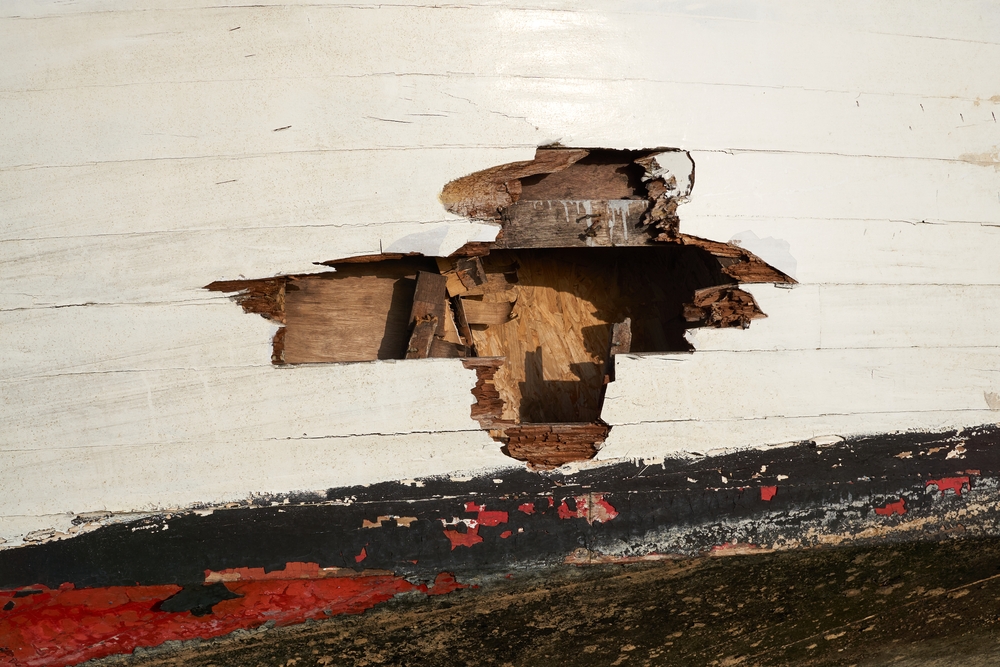
- Cubical Cracking (Cuboidal Rot): As the fungus consumes the cellulose, the wood shrinks and splits into small, cube-like pieces. This “cubical cracking” pattern is a definitive sign of dry rot. The wood will look dark and brittle.
- Fungal Growth (Mycelium): In damp, poorly ventilated areas, you might see the fungus itself. It typically appears as a cottony, white or greyish growth, sometimes with patches of yellow or lilac.
- Fruiting Bodies (Sporophores): In advanced stages, the fungus produces a fleshy, mushroom-like body. This structure can be quite large and has a reddish, rust-colored center with a lighter, white edge. The center is where the fungus releases millions of new spores, often seen as a fine, reddish-brown dust. If you see a fruiting body, you have a severe, well-established infestation.
- Damaged or Peeling Paint: As the wood underneath deteriorates and changes shape, the paint on the surface will crack, bubble, or peel away. This can be an early indicator that the wood beneath is no longer sound.
Physical and Olfactory Signs
- Brittle or Spongy Texture: Use a screwdriver or an awl to gently probe areas you suspect may have rot, especially near the ground, under windows, and at corner joints. Healthy wood will be firm and resist the tool. Rotted wood will be soft, spongy, or crumble easily into dust.
- A Damp, Musty Odor: Dry rot produces a distinct, earthy, mushroom-like smell. If you notice this odor around a particular section of your home, it’s a strong indicator of active fungal growth, even if you can’t see it.
Any of these signs warrant an immediate call to a professional siding contractor specializing in siding rot repair. This is not a DIY issue; the extent of the damage is almost always greater than what is visible on the surface.
The Solution: Professional Repair and Replacement by Heritage Exteriors
Addressing dry rot is a complex process that requires expertise. Simply replacing the visibly rotted board is not enough. If the underlying moisture issue isn’t resolved and all traces of the fungus aren’t eradicated, the rot will return.
At Heritage Exteriors, we take a comprehensive approach to siding rot repair. As a family-owned business, we treat every home with the care and diligence we would our own. Our in-house team of experts—never subcontractors—ensures a level of quality control that is second to none.
The Repair Process
For localized rot, a professional repair involves:
- Identifying the Moisture Source: This is the most critical step. We trace the moisture back to its origin, whether it’s a failed window seal, a clogged gutter, or poor flashing, and correct it permanently.
- Removing All Affected Wood: All rotted wood must be cut out, extending at least a foot into the surrounding healthy wood to ensure all fungal strands are removed.
- Treating the Area: The remaining healthy wood and surrounding structural members are treated with a borate-based fungicide to kill any remaining spores and prevent future growth.
- Replacing the Wood: New siding is installed, ensuring that it is properly sealed and flashed to prevent future water intrusion.
Our siding repair services in Sacramento are built on this thorough methodology, ensuring a lasting solution, not a temporary patch.
Why Replacement Is Often the Best Defense
If dry rot is found in multiple locations or the infestation is advanced, a full residential siding replacement is the most prudent and effective course of action. This approach has several major benefits:
- Total Eradication: It allows for a complete inspection of all wall sheathing. All hidden rot can be found and remediated, and the entire structure can be treated with fungicide.
- Upgrading to a Rot-Proof Material: This is the ultimate solution. A replacement project is the perfect opportunity to switch from vulnerable wood to a material that is immune to rot. This is where James Hardie fiber cement siding shines. As a composite of cement, sand, and cellulose, it is not a food source for fungus and cannot rot, ever.
- Long-Term Value and Performance: By choosing a durable exterior material like James Hardie, you get a long-lasting siding solution that is not only rot-proof but also fire-resistant siding and low maintenance siding. This move can dramatically increase curb appeal and home value while providing superior protection.
Heritage Exteriors: Your Certified Shield Against Rot
Preventing dry rot begins with preventing moisture intrusion. This is achieved through high-quality materials and, most importantly, flawless installation.
James Hardie Elite Preferred Contractor
Our designation as a James Hardie Elite Preferred Contractor is your guarantee of excellence. We have been recognized by the industry leader for our unwavering commitment to installing their products to the highest possible standard. When we perform a siding installation, we ensure every seam is sealed, every joint is flashed correctly, and every panel is placed to create an impenetrable barrier against water. By choosing Heritage Exteriors, you are choosing an installation that protects your home and validates your warranty on the best siding replacement options available.
Installation Masters Certified
The areas around windows and doors are the most common points of failure leading to water intrusion and rot. Our team’s certification as Installation Masters highlights our specialized expertise in sealing these vulnerable areas. We understand how to integrate weather-resistant windows and doors seamlessly with the siding system, a critical step in creating a truly watertight exterior. This holistic approach prevents the moisture problems that lead to dry rot in the first place, helping to improve home insulation and reduce energy bills by keeping wall cavities dry and efficient.
Don’t Let Dry Rot Eat Your Home Alive
Dry rot is a formidable enemy of any home with wood siding. It is aggressive, destructive, and can spread silently. But it is not invincible. By understanding its dependence on moisture, being vigilant about inspections, and acting decisively at the first sign of trouble, you can protect your investment.
If you suspect your home has a rot problem, or if you’re ready to upgrade to a rot-proof exterior, the experts at Heritage Exteriors are here to help. Serving the Sacramento, Rocklin, Bay Area, and Lake Tahoe regions, our family is dedicated to protecting yours. We provide honest assessments and superior craftsmanship on every project, including residential siding replacement, siding installation, siding repair, and siding replacement options.
Contact us today for a consultation. Let us help you eliminate the threat of dry rot and secure your home with a beautiful, durable exterior that will stand strong for decades to come.