Wood siding is more than just a building material; it is a statement of style, a nod to tradition, and an investment in natural beauty. Whether your home is clad in rustic cedar shakes, classic clapboard, or modern vertical planks, wood offers an aesthetic depth that synthetic alternatives simply cannot match. However, this beauty comes with a biological reality: wood is organic. It breathes, moves, and, if left unprotected, decays.
The sun’s UV rays bleach its color and break down its fibers. Rain swells the grain, leading to warping and cracking. Fungi wait for damp conditions to start the slow process of rot. The only barrier standing between your beautiful exterior and the harsh elements is the finish you choose to apply.
Choosing the best wood siding paint or sealant isn’t just about picking a pretty color. It is a critical maintenance decision that determines how long your siding will last, how often you will need to scrape and repaint, and whether you will face expensive repairs down the road.
In this comprehensive guide, we will navigate the complex world of exterior finishes. We will break down the differences between oil-based and acrylic latex paints, explore the protective power of penetrating sealants, and provide actionable advice on how to protect wood siding in the demanding Sacramento climate. If you are looking for long-lasting siding finishes that save you money and protect your home, read on.
Understanding Wood Siding: Why It Needs Protection
To choose the right product, you first need to understand what you are protecting. Wood is hygroscopic, meaning it absorbs and releases moisture from the air. In the dry heat of a Sacramento summer, wood shrinks. During the winter rains, it swells.
This constant movement puts immense stress on any coating you apply.
- Rigid coatings (like old oil alkyd paints) become brittle over time. When the wood moves, the paint snaps, creating microscopic cracks where water can enter.
- Permeable coatings allow too much water in, leading to rot.
- Film-forming coatings sit on top of the wood. If water gets behind them (through a crack or from the back of the siding), it gets trapped, causing the paint to bubble and peel.
The goal of any paint or sealant for wood siding is to act as a selective barrier: it must repel liquid water (rain) and block UV radiation while remaining flexible enough to move with the wood and breathable enough to let internal moisture vapor escape.
The Great Debate: Paint vs. Stain
The first decision homeowners face is the fundamental choice between paint and stain. Both have distinct advantages depending on the age of your wood, the look you want, and the level of protection you need.
Paint: The Ultimate Shield
Paint is a film-forming finish. It creates a thick layer on top of the wood that hides the grain but offers the highest level of protection against UV rays and water.
- Best For: Maximum longevity, hiding imperfections in older wood, and achieving a specific color scheme.
- Pros: lasts the longest (up to 10-15 years with high-quality products), offers the best UV blocking, and covers fillers/patches well.
- Cons: Eventually peels or cracks, requiring labor-intensive scraping and sanding before refinishing. It hides the natural beauty of the wood grain.
Stain: The Natural Enhancer
Stains penetrate the wood fibers rather than just sitting on top. They come in varying opacities.
- Transparent/Semi-Transparent: Shows the wood grain clearly. Offers the least UV protection and needs recoating every 3-5 years.
- Solid Color Stain: Looks like flat paint but creates a thinner film. It shows the texture of the wood but hides the grain color.
- Best For: Natural cedar or redwood homes, maintaining a rustic look, and easier maintenance (stains usually fade rather than peel).
- Pros: Highlights wood texture, breathable, no peeling (usually just erodes), easier to recoat.
- Cons: shorter lifespan than paint, offers less protection against severe weathering.
Deep Dive: The Best Wood Siding Paint Options
If you decide that paint is the right route for your home, the chemistry of the paint matters immensely. Not all cans on the shelf are created equal.
1. 100% Acrylic Latex Paint: The Gold Standard
For decades, oil-based paints were the king of exteriors. Today, technology has shifted. High-quality 100% acrylic latex paint is widely considered the best wood siding paint for most applications.
- Why it wins: Acrylic resins are thermoplastic. They expand and contract with the temperature, meaning the paint moves with your wood siding rather than cracking against it.
- Breathability: Acrylic latex is “microporous,” allowing water vapor from inside the house to escape without blistering the paint, while still blocking rain from the outside.
- Color Retention: It holds color far better than oil, which tends to chalk and fade quickly in the sun.
- Recommendation: Look for “100% Acrylic” on the label. Avoid “vinyl acrylic” blends, which are cheaper but less durable.
2. Oil-Based (Alkyd) Paint: The Old Guard
Oil paints are harder to find due to VOC (Volatile Organic Compound) regulations, but they still have a place.
- Why use it: They cure to a very hard, smooth, durable shell. They are excellent at blocking tannins (the natural oils in cedar and redwood that stain paint).
- The Downside: They become brittle over time. On wood siding that moves a lot, oil paint will crack. They also chalk and fade faster than acrylics.
- Best Use: As a primer. An oil-based primer is still the best way to seal bare wood and block stains before applying an acrylic topcoat.
3. Self-Priming Paints
Many modern paints claim to be “paint and primer in one.” While convenient, be cautious. For previously painted siding in good condition, they work well. However, for bare wood, aging wood, or wood with bleed-through issues (like cedar), a dedicated primer followed by a dedicated topcoat will always yield a long-lasting siding finish superior to a combo product.
Deep Dive: The Best Sealants for Wood Siding
If you prefer the natural look, or if you need to protect specific vulnerable areas, sealants and stains are your focus.
1. Penetrating Oil Stains
These products soak deep into the wood cells to displace water. They usually contain linseed oil, tung oil, or modified synthetic oils.
- Protection: They prevent water absorption, which stops rot and warping. Many contain mildewcides to stop mold growth.
- Maintenance: They erode gradually. When it’s time to recoat, you simply clean the wood and apply more stain—no scraping required. This makes them a favorite for low-maintenance siding options.
2. Water-Based Stains
Technology has improved here as well. Water-borne stains (acrylic/oil hybrids) offer the penetration of oil with the longevity and color retention of acrylics.
- Benefits: They dry faster, smell less, and clean up with soap and water. They are more breathable than pure oils.
3. Clear Sealers (Water Repellents)
If you want your cedar to look exactly like raw cedar, you might consider a clear sealer.
- Warning: Clear sealers offer almost zero UV protection. The wood will turn gray within a year or two beneath the sealer. They are strictly for water repellency. Unless you want the gray, weathered look, avoid clear sealers and opt for at least a pigmented semi-transparent stain to block UV rays.
The Importance of Primer: The Unsung Hero
You can buy the most expensive paint in the world, but if you apply it to bare or unprepared wood, it will fail. Primer is the anchor.
Why You Need Primer
- Adhesion: Primer is chemically formulated to bite into the substrate and provide a surface for the topcoat to stick to.
- Sealing: Wood is porous; it sucks up paint unevenly. Primer seals the fibers so the topcoat dries with a uniform sheen.
- Stain Blocking: Cedar and redwood contain water-soluble extractives (tannins). If you paint over them with water-based latex without priming, reddish-brown stains will bleed through the paint forever.
The Expert Recommendation: For wood siding, use a high-quality, slow-drying oil-based exterior primer. It penetrates dead wood fibers better than latex and locks in tannins. Top it with 100% acrylic latex paint.
Caulking and Sealants for Gaps
Paint covers the face of the boards, but water attacks the joints. Choosing the right sealants for wood siding gaps (caulk) is just as vital as the paint itself.
Silicone vs. Urethane vs. Latex
- 100% Silicone: Great for glass and tile, terrible for siding. Paint will not stick to it. If you use it on siding, you will have unpainted, shiny lines all over your house.
- Acrylic Latex (Siliconized): The standard “painter’s caulk.” It is easy to apply, cleans up with water, and is paintable. Good for small gaps but can shrink and crack in extreme weather.
- Polyurethane: The heavy hitter. It is incredibly sticky, flexible, and durable. It does not shrink. It is harder to tool (sticky and messy) but offers the best waterproof seal for gaps around windows, doors, and trim.
- Modified Polymer/Hybrid: These offer the ease of latex with the performance of urethane. They are paintable, flexible, and UV stable.
Where to Caulk:
- Vertical joints where siding meets corner boards or window frames.
- Gaps around penetrations (pipes, vents).
Where NOT to Caulk: - The bottom edge of horizontal lap siding. This gap is essential for allowing moisture behind the siding to weep out. Caulking it shut traps water and guarantees rot.
Top Maintenance Strategies for Long-Lasting Finishes
Buying the best product is step one. Step two is application and maintenance. Here is how to ensure your investment pays off.
1. Surface Preparation is 90% of the Job
We cannot stress this enough. If you paint over dirt, mold, or loose paint, the new paint will peel.
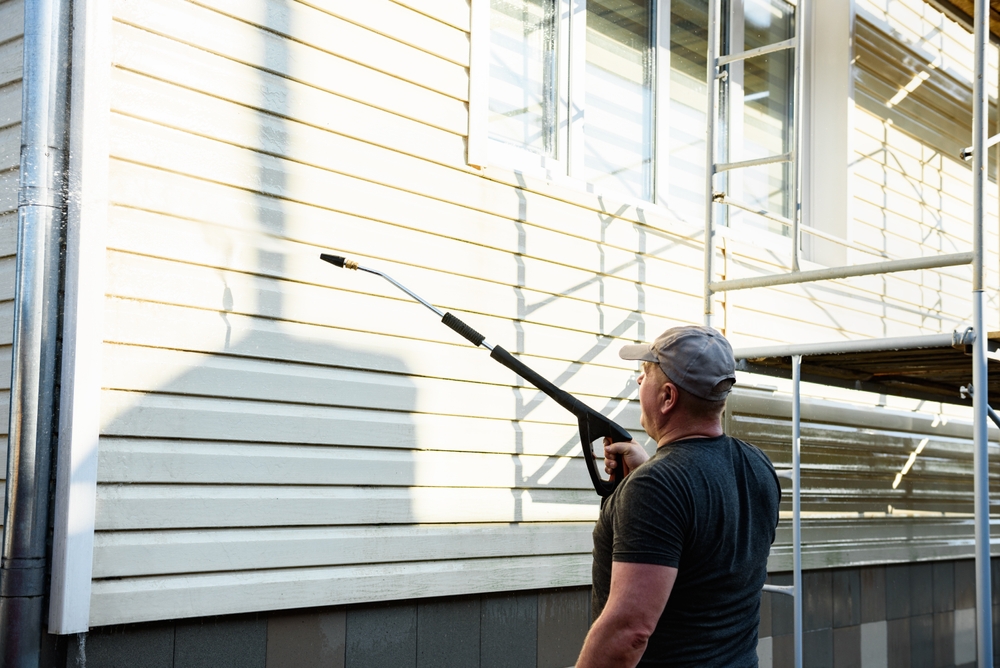
- Wash: Soft wash the house with a mildewcide cleaner.
- Scrape: Remove all loose paint.
- Sand: Feather out the edges of the remaining paint to create a smooth surface.
- Repair: Fix any rot before painting. Painting over rot does not stop it; it accelerates it. If you find soft wood, check our guide on siding repair in Sacramento to decide if it needs patching or replacement.
2. Check the Weather
Paint chemistry is sensitive to temperature and humidity.
- Don’t paint in the sun: Direct sun causes the paint to “flash dry,” forming a skin before it bonds to the wood. Paint the shade side of the house and follow the shade around.
- Temperature: Most latex paints need temperatures above 50°F to cure properly, though some “low-temp” formulas exist.
- Moisture: Do not paint if rain is expected within 24 hours, or if the wood is still wet from washing. Ideally, use a moisture meter to ensure wood moisture content is below 15%.
3. Application Thickness
More isn’t always better, but too little is worthless.
- Dry Film Thickness (DFT): Manufacturers specify the ideal thickness. Stretching a gallon too far results in a film too thin to block UV rays.
- Two Coats: Two thin coats are always superior to one thick coat. The first coat seals; the second provides the durability and color depth.
Specific Recommendations for Sacramento Homes
Our region presents a unique challenge: intense UV exposure and distinct wet/dry seasons.
Combatting the Sun
The Sacramento sun is a laser beam that degrades binders in paint.
- Color Choice: Lighter colors reflect UV rays and last longer than dark colors, which absorb heat and fade faster. Dark colors also heat the wood more, causing more expansion/contraction stress.
- Product Choice: Look for paints with “UV cross-linking” technology or high levels of titanium dioxide (a pigment that blocks UV).
Combatting the Dry Rot
During our wet winters, any crack is a vulnerability.
- Flexibility: This is why 100% acrylics are non-negotiable here. You need a paint that can handle the swing from a 100°F dry day to a 40°F rainy night without cracking.
- Fungicides: Ensure your paint or stain contains mildewcides.
Signs Your Siding Needs Immediate Attention
How do you know when your current finish has failed? Look for these warning signs.
- Chalking: Wipe your hand on the siding. If it comes away with a powdery residue, the paint binder has broken down. The paint is thinning and needs a recoat.
- Alligatoring: A pattern of cracks resembling reptile scales. This indicates the paint has lost its flexibility and is brittle. Water is getting in.
- Peeling/Blistering: This is critical failure. It often means moisture is trapped behind the paint. You need to scrape it down to bare wood and find the moisture source.
- Fading: While cosmetic, fading indicates the UV protection is gone, and the wood fibers are now being damaged.
When to DIY vs. When to Hire a Pro
Applying high-performance coatings is labor-intensive.
- DIY: If you have a single-story home, are comfortable on ladders, and have the patience for endless prep work (scraping/sanding), you can save money.
- Pro: If you have a multi-story home, extensive damage, or lack the time to do the prep work correctly, hire a professional. A bad paint job (skipping prep) is a waste of money because it will fail in two years. A professional job can last 10+.
Furthermore, professionals can spot structural issues during the prep phase that a homeowner might miss. If your siding is showing signs of age beyond just peeling paint—like warping or soft spots—it might be time for more than just a fresh coat. Professional siding repair in Sacramento can address the underlying health of the wood before sealing it up.
Conclusion: The Investment in Protection
Your wood siding is a living asset. It adds significant value and charm to your property, but it demands a partnership. It protects you from the elements, and in return, you must protect it from them.
By choosing the best wood siding paint—specifically high-quality 100% acrylic latex—and pairing it with the right primers and sealants for wood siding, you can extend the life of your exterior by decades. You prevent the heartbreak of rot, the expense of replacement, and the unsightliness of peeling facades.
Don’t settle for the cheapest bucket of paint at the hardware store. Invest in premium products. The cost difference per gallon is negligible compared to the cost of labor or siding replacement.
If you are unsure about the state of your current siding finish, or if you need help repairing damage before you paint, Hexteriors is here to assist. We specialize in maintaining the beauty and structural integrity of Sacramento homes. Whether you need a repair assessment or advice on protecting wood siding, our team has the expertise to guide you.
Treat your wood siding right, and it will keep your home warm, dry, and beautiful for generations.
FAQ: Paints and Sealants for Wood Siding
Q: Can I paint over old oil-based paint with latex?
A: Yes, but you must prepare the surface correctly. You generally cannot apply latex directly over glossy oil paint because it won’t stick. You must sand the surface to remove the gloss, clean it thoroughly, and apply a high-quality bonding primer designed to transition from oil to latex.
Q: How often should I repaint wood siding?
A: A high-quality paint job should last 7-10 years, sometimes up to 15. Stains generally need recoating every 3-5 years. South and west-facing walls (which get the most sun) will fail faster than north or east-facing walls.
Q: What is the best temperature to paint outside?
A: Ideally between 50°F and 85°F. Painting when it’s too cold prevents the paint from curing. Painting when it’s too hot causes it to dry too fast and fail to bond. Avoid painting in direct, midday summer sun.
Q: Is spraying or rolling better for wood siding?
A: The best method is “spray and back-roll.” A sprayer gets the paint onto the house efficiently, but a roller (or brush) is immediately used to push the paint into the wood texture and pores. This ensures better adhesion than spraying alone.
Q: Should I pressure wash my siding before painting?
A: Be very careful. High-pressure washing can damage wood fibers and force water deep into the wall. A low-pressure “soft wash” with a cleaning solution is safer and more effective at killing mold and removing dirt without damaging the wood. Allow the wood to dry for several days (check with a moisture meter) before painting.